The Academy of Arts & Design, Tsinghua University (AADTHU) officially inaugurated its 2026 Undergraduate Graduation Exhibition and the “Graduation Art Fair” Creative Cultural Festival at the Tsinghua University Art Museum on June 12. The opening ceremony was attended by Guo Yong, Deputy Secretary of the CPC Tsinghua University Committee, and Han Yunsheng, Member of the Standing Committee and Vice Chairperson of the Beijing Federation of Literary and Art Circles, among other distinguished guests.
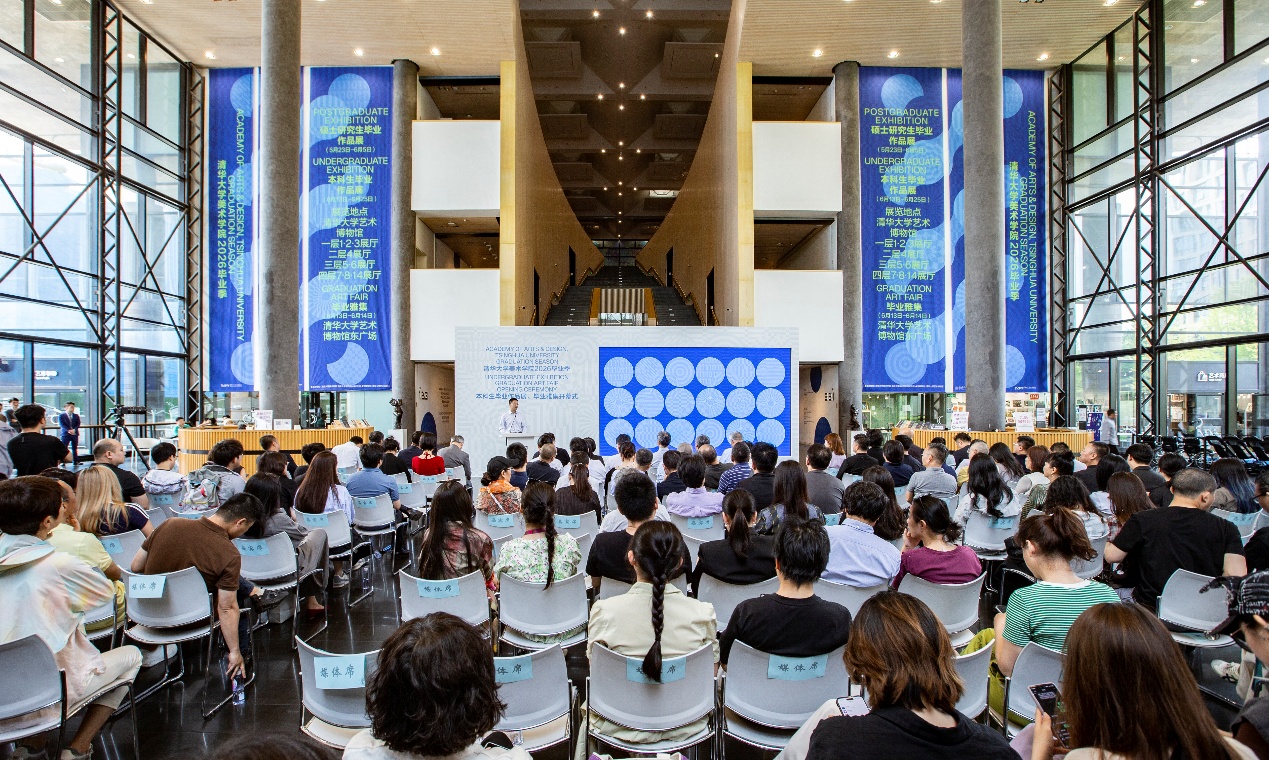
Opening Ceremony Scene
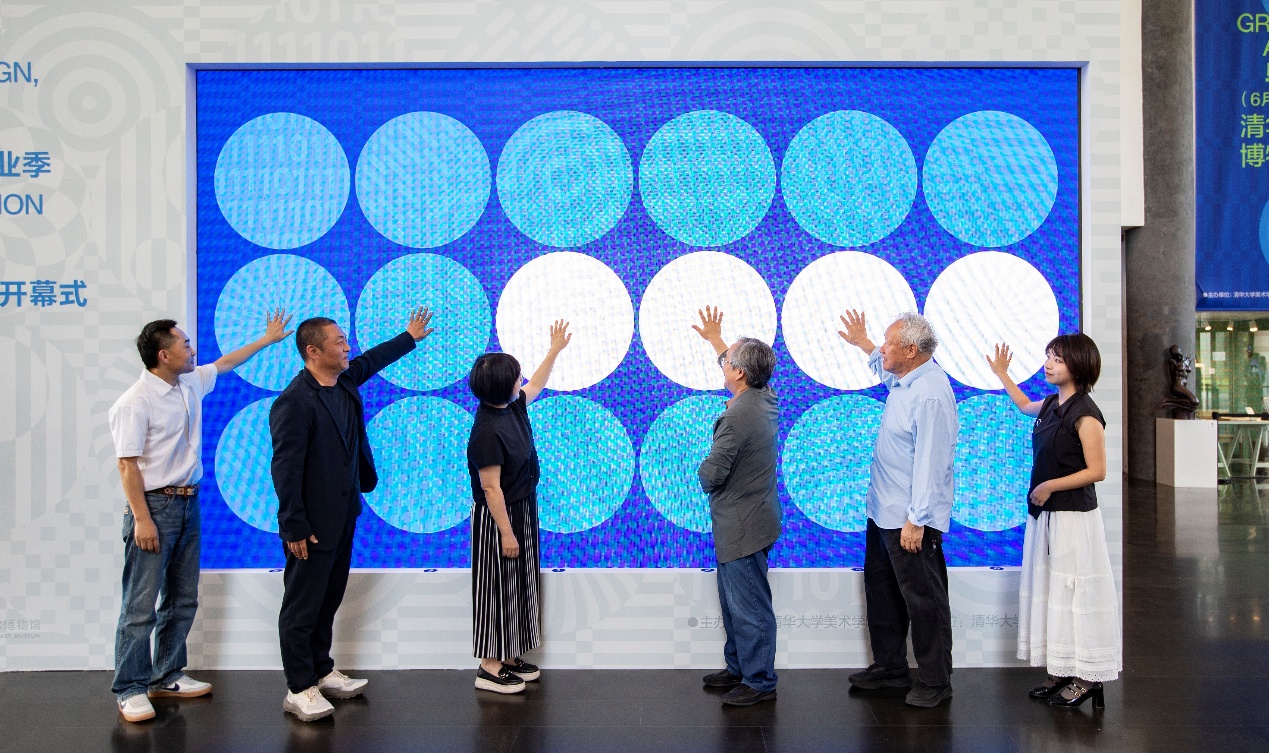
Launch of the Graduation Exhibition
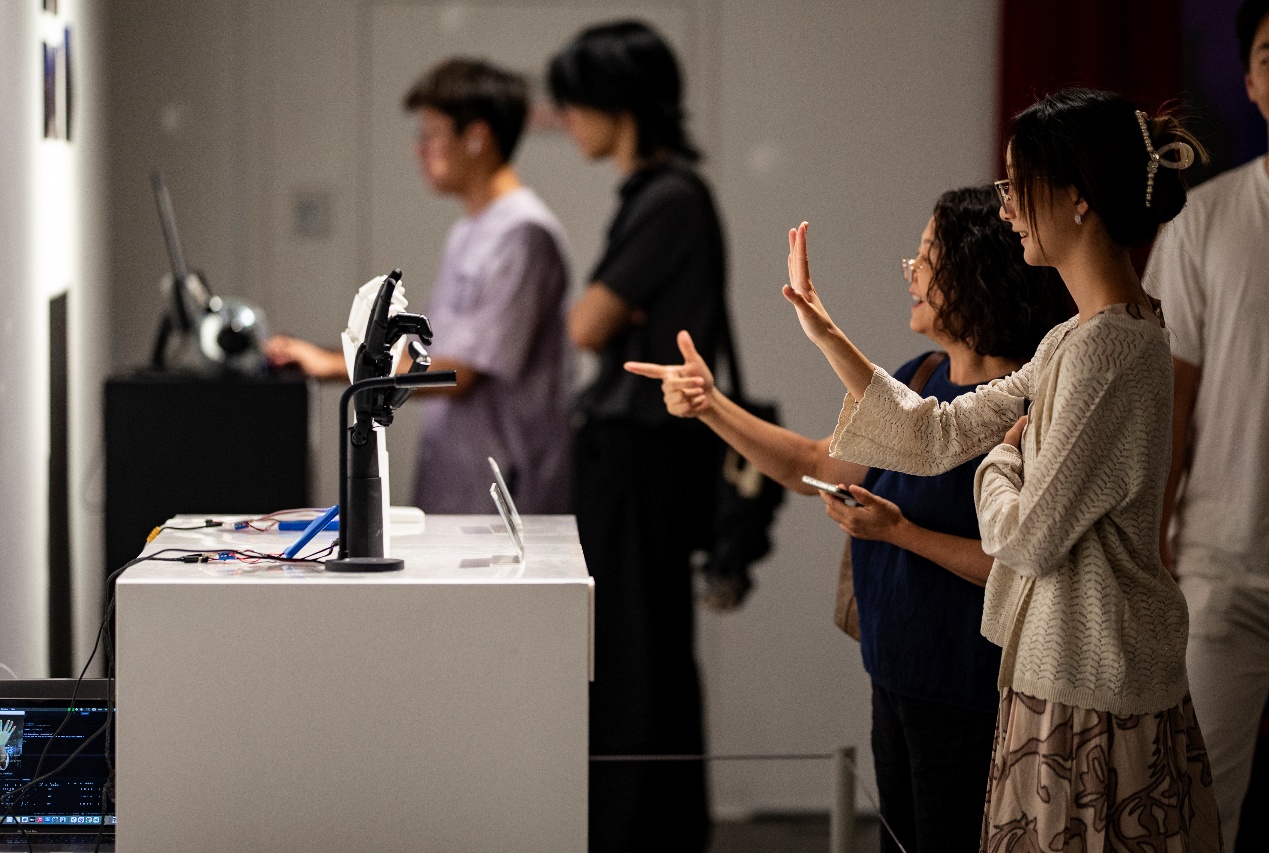
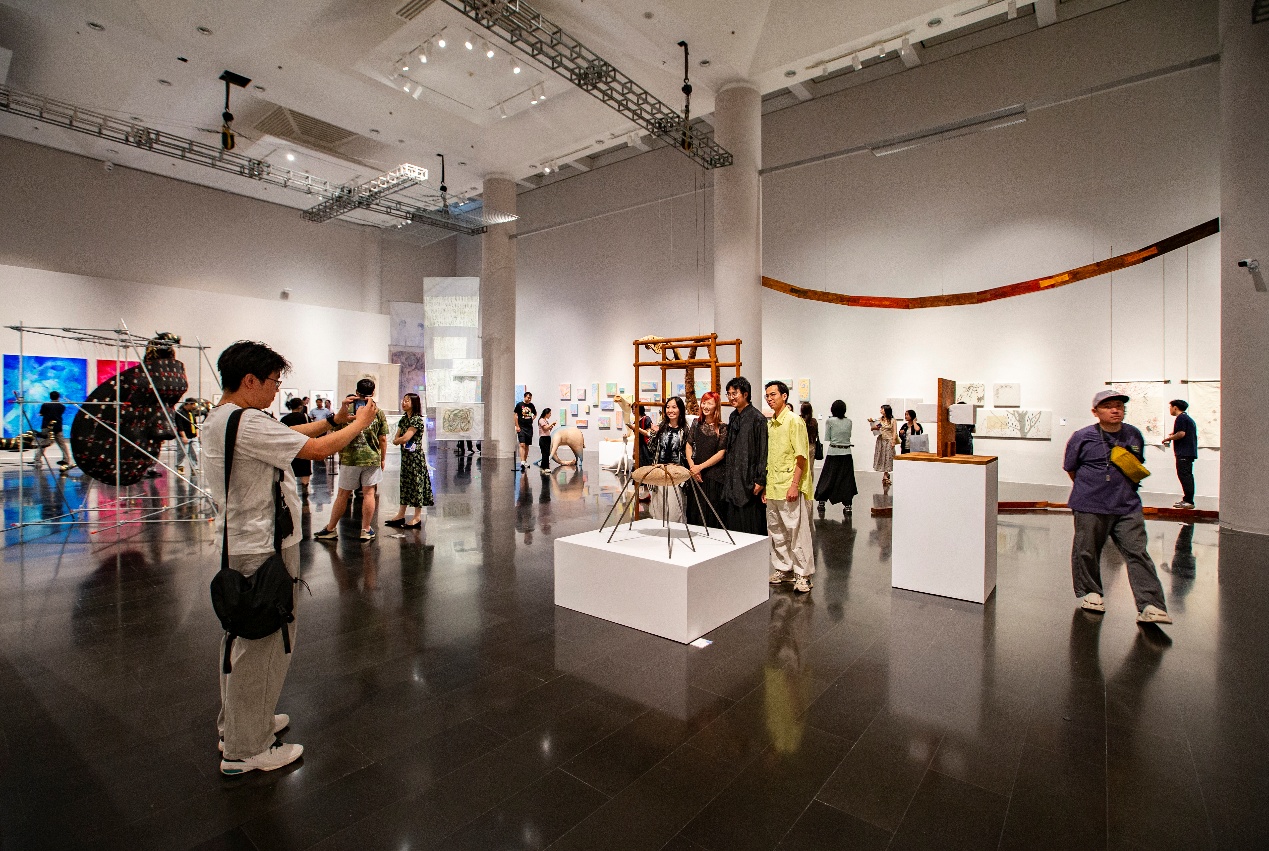
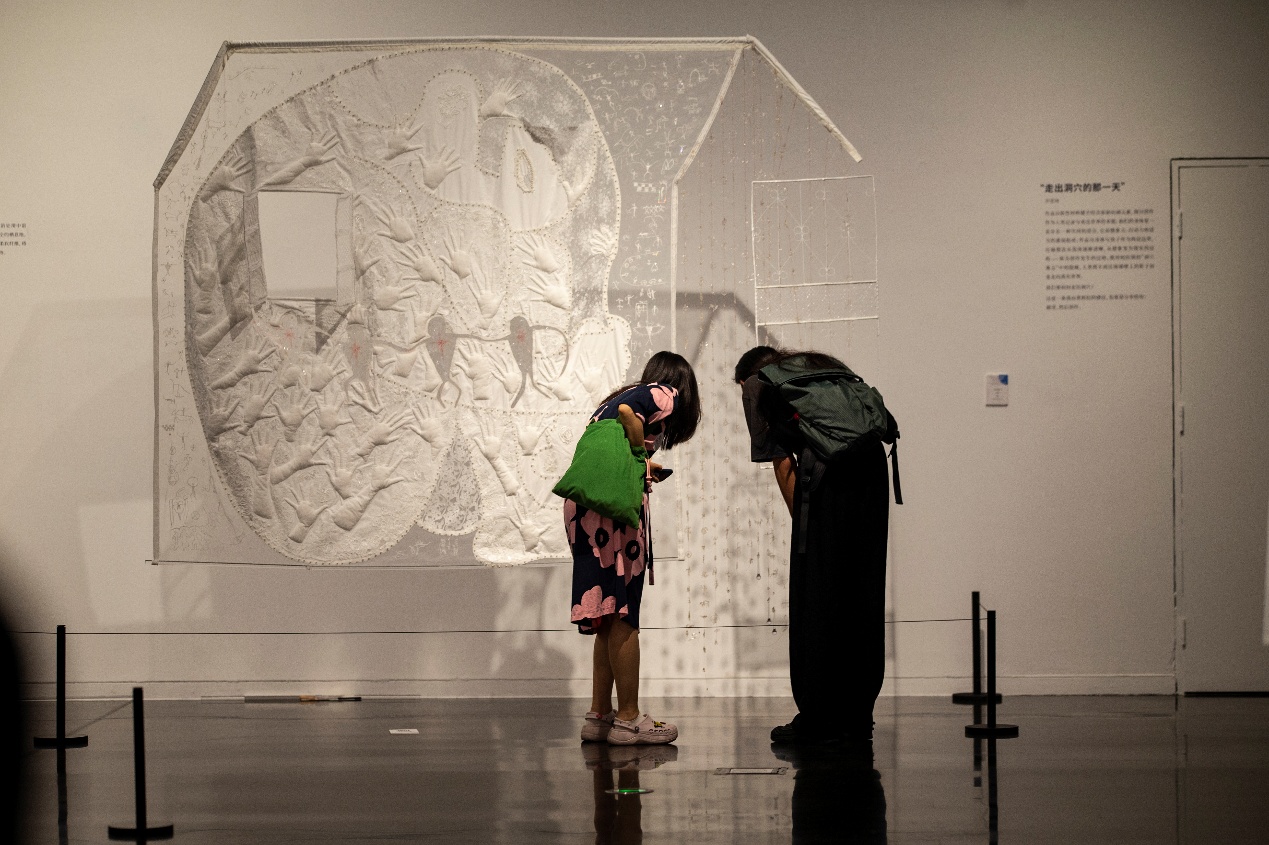
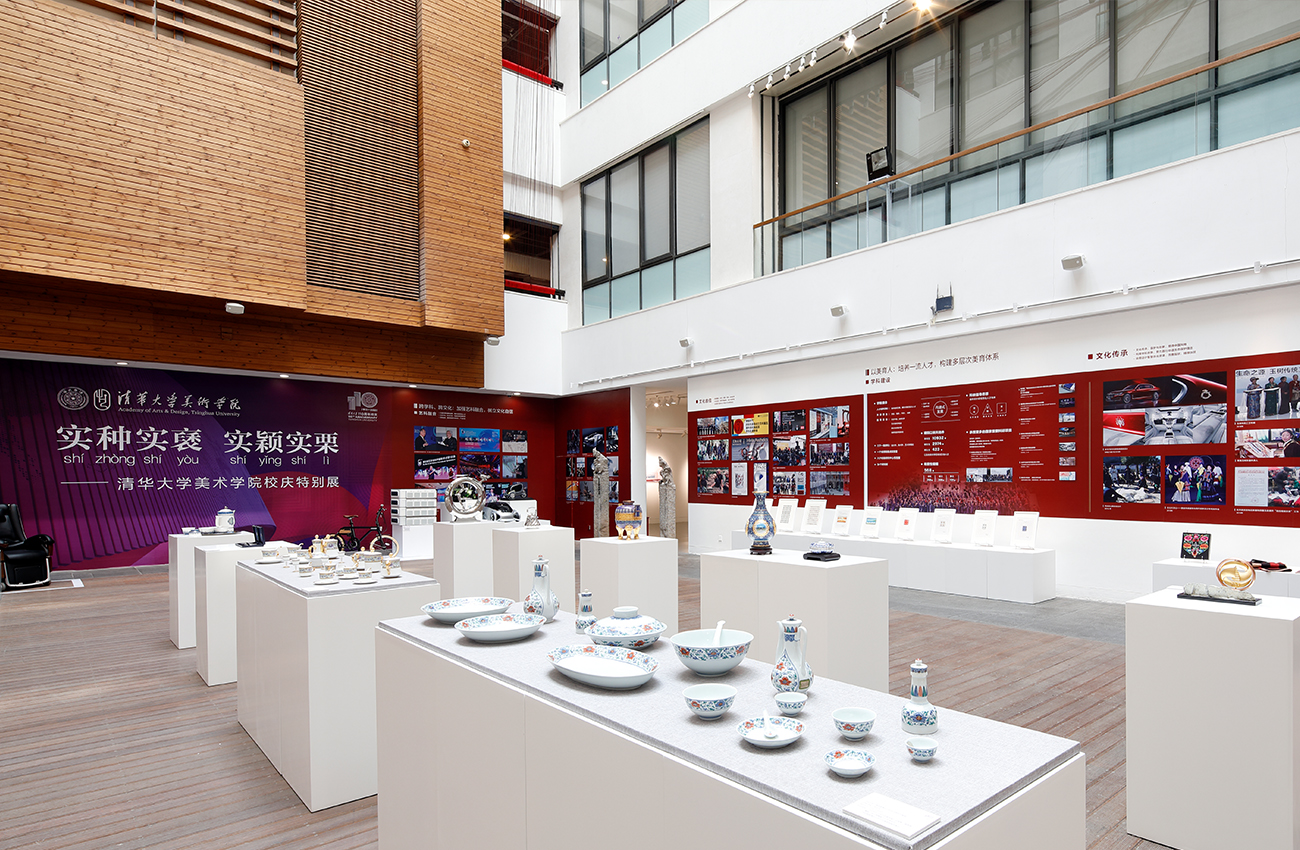
This year’s graduation exhibition features nearly 1,000 works created by over 240 undergraduate graduates, displayed across the museum’s galleries. Leveraging the platform of a national-level Grade-A Museum, the exhibition embodies AADTHU’s commitment to extending the reach of art education beyond campus walls, engaging broader public audiences and fostering societal dialogue through artistic practice. The exhibition will remain open until June 25.
Exhibition View
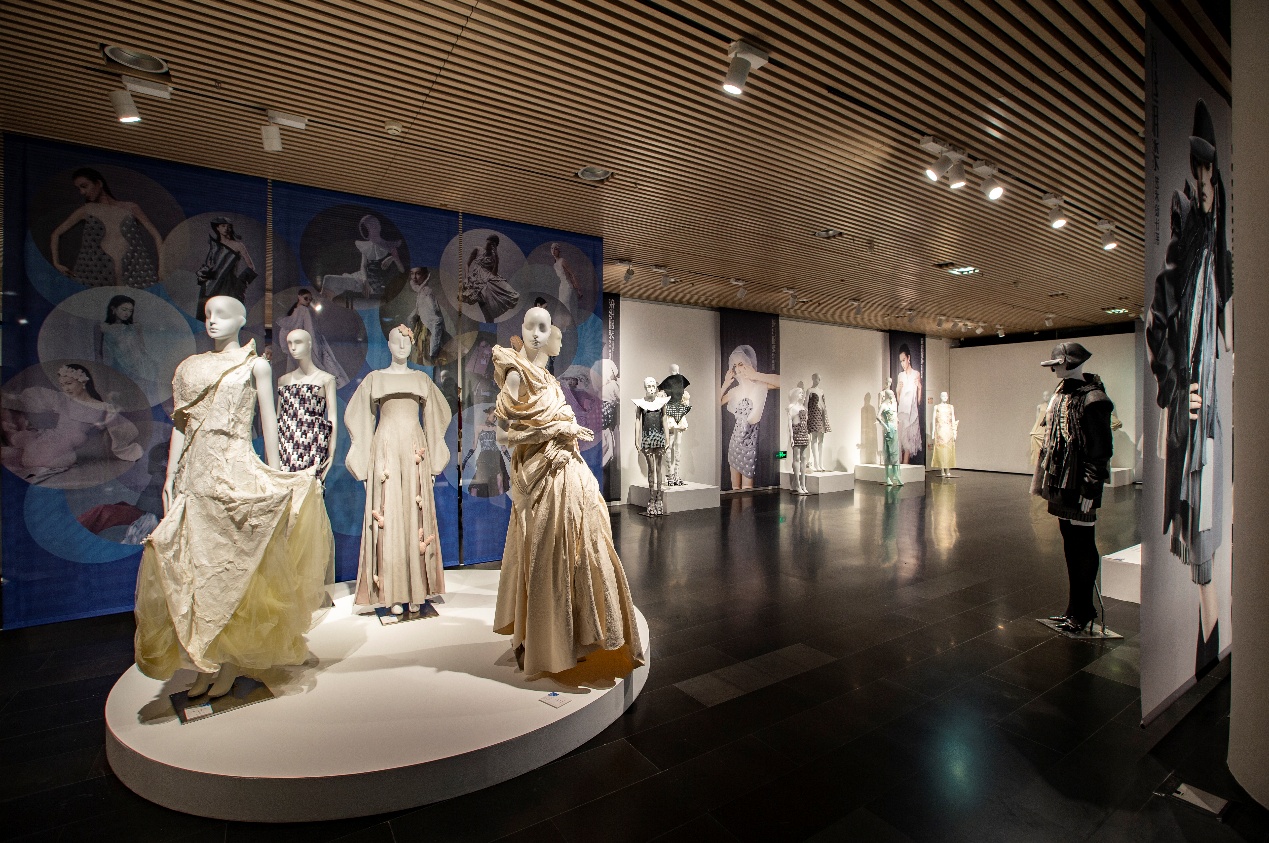
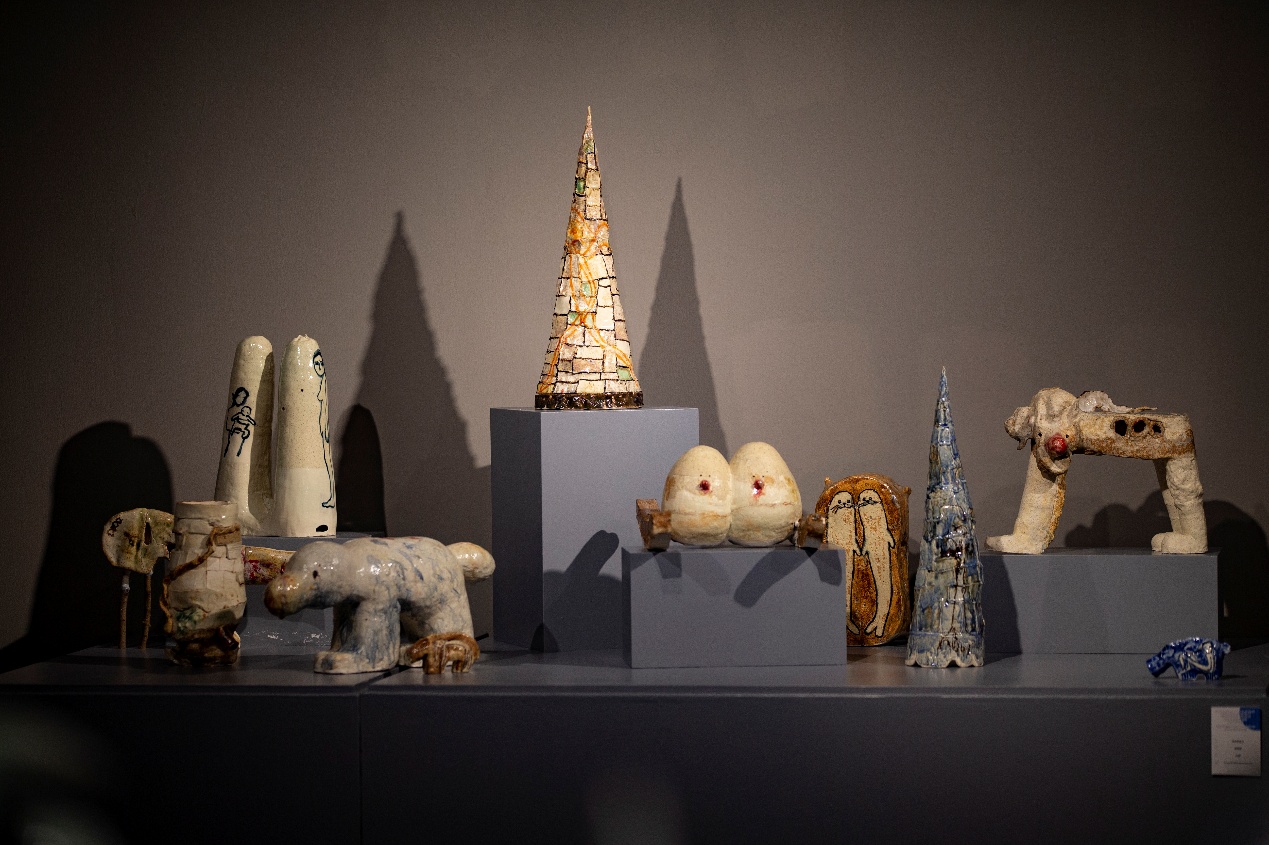
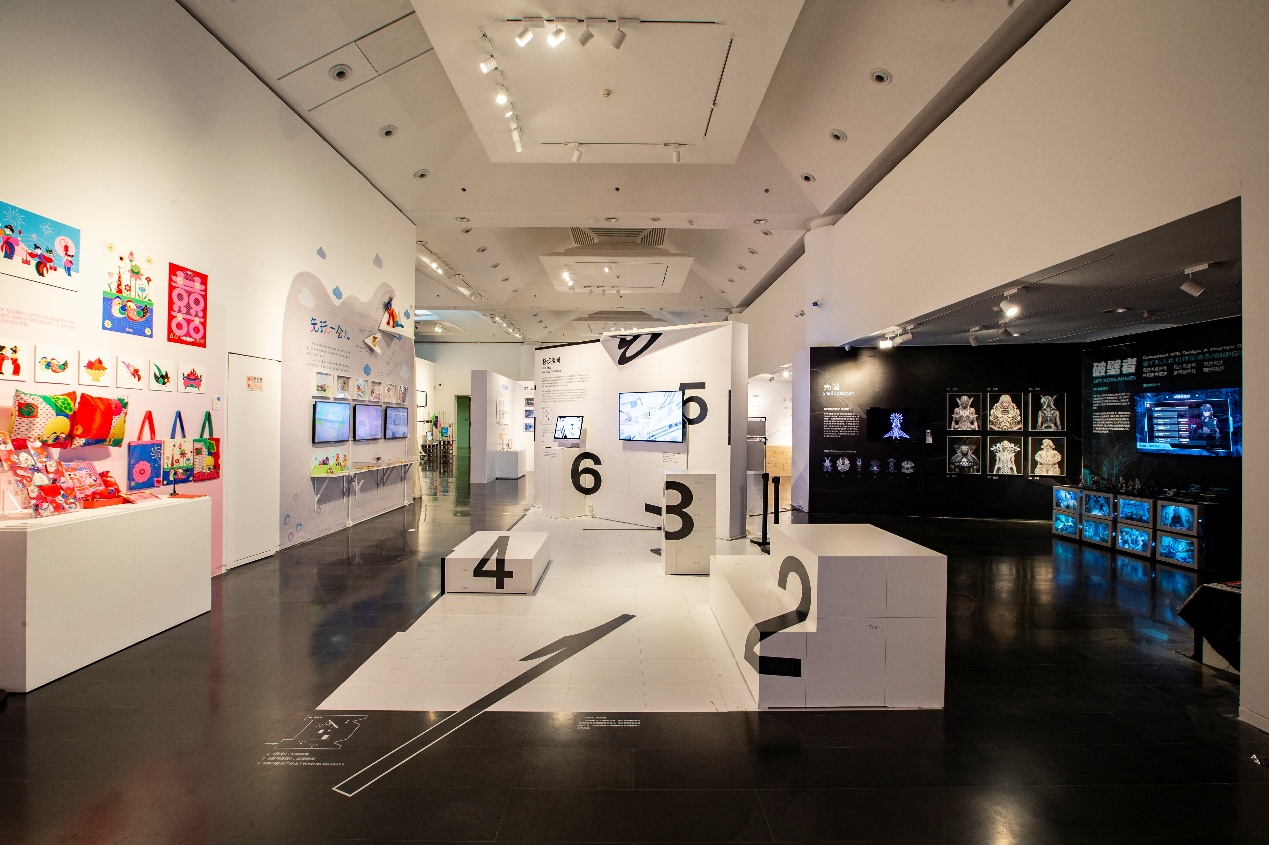
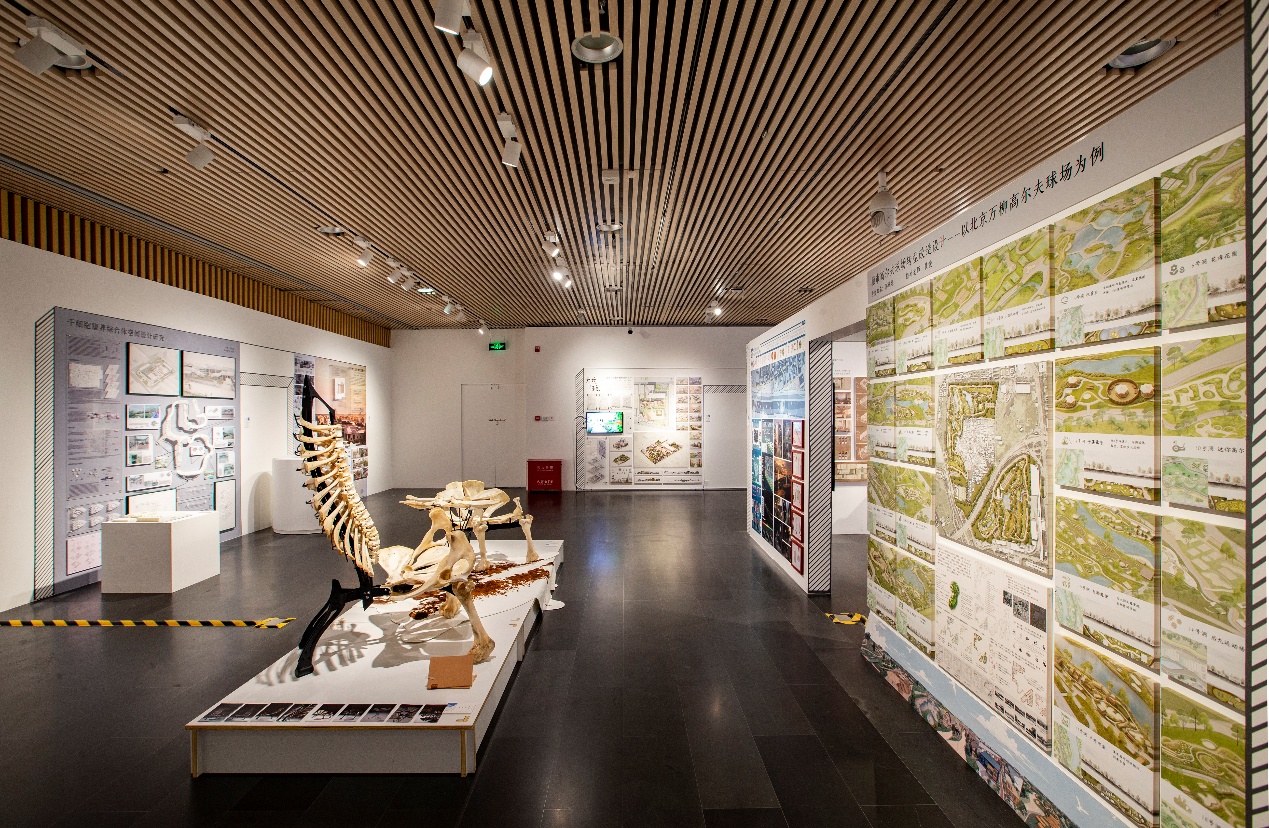
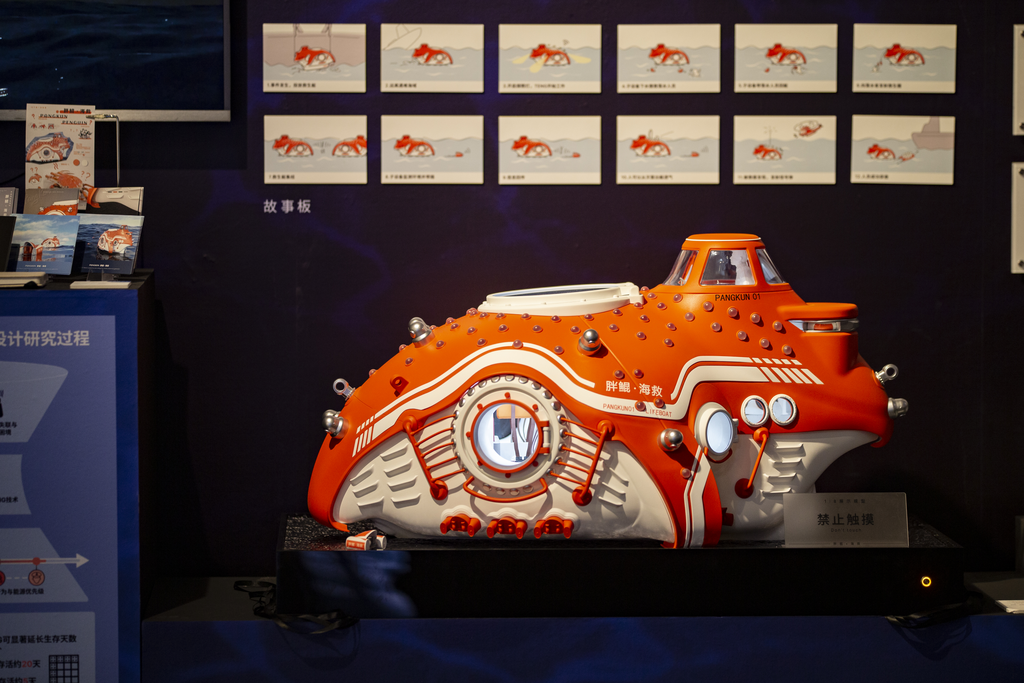
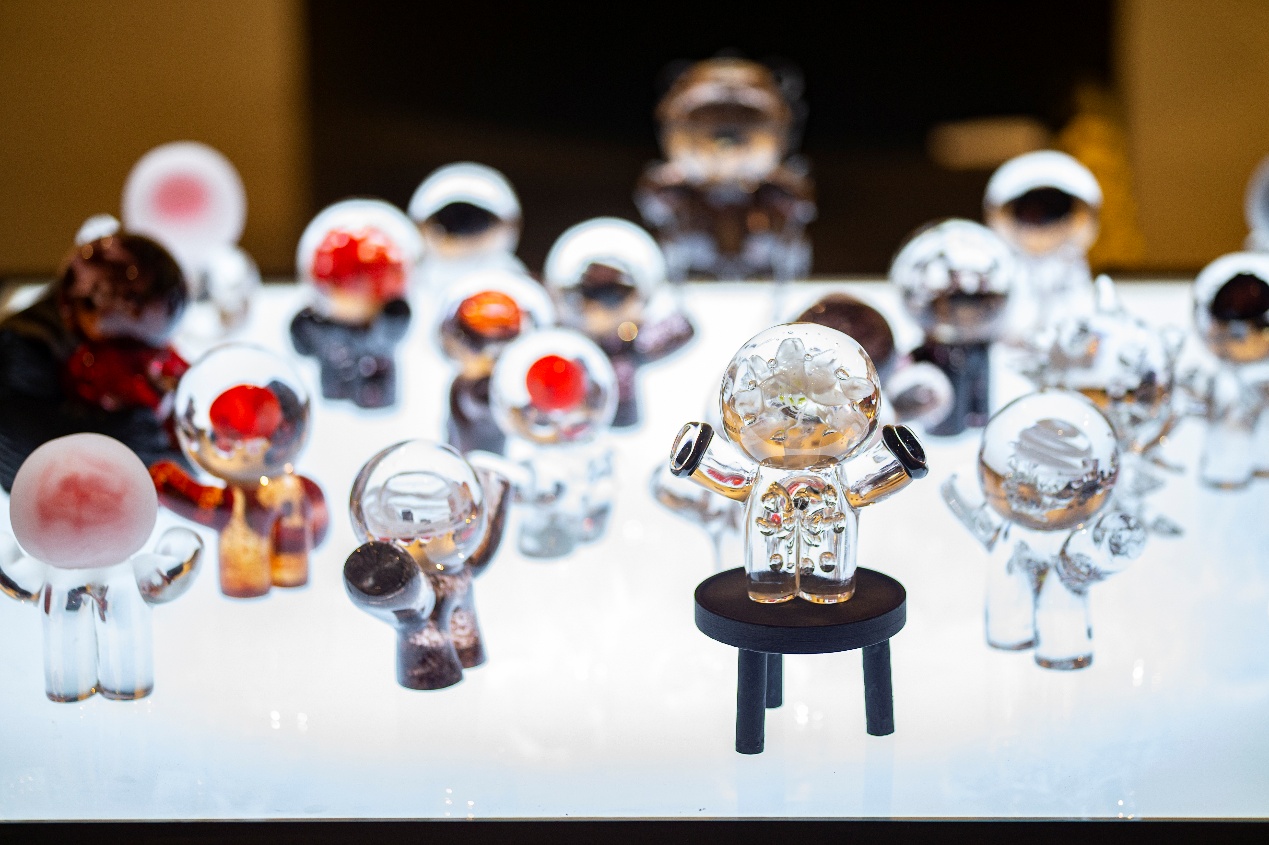
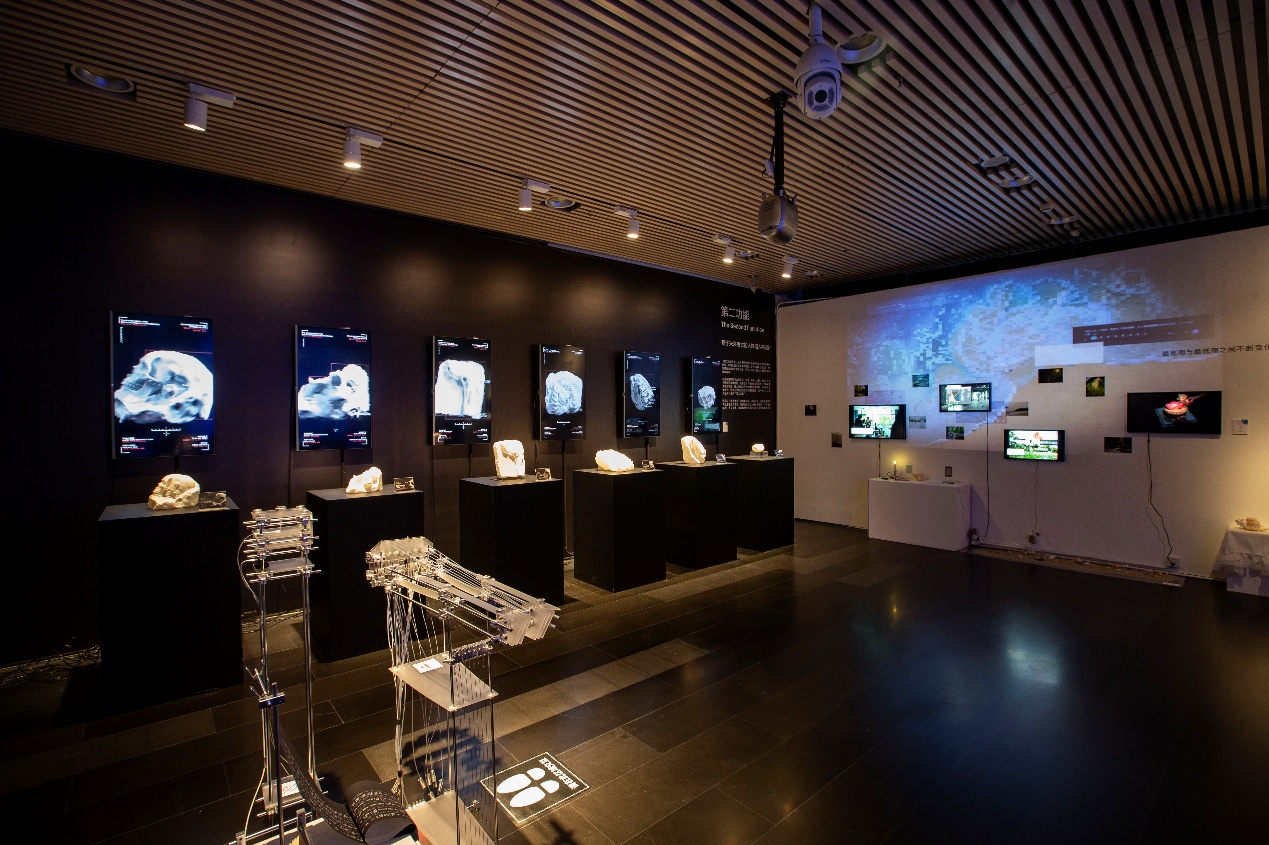
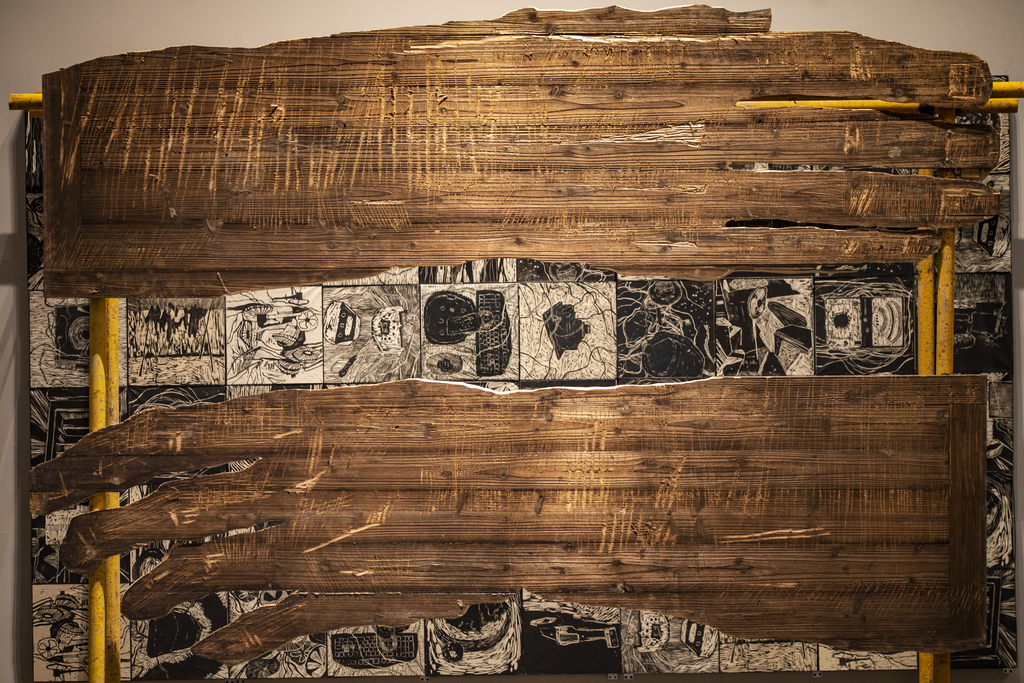
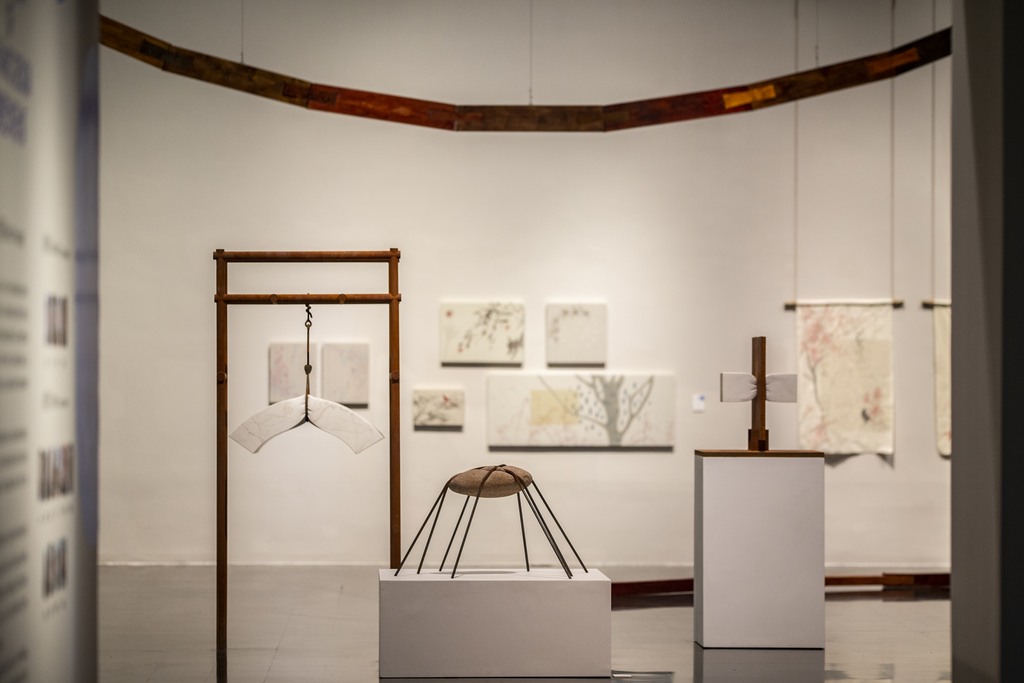
A hallmark innovation of this year is the integration of the “Graduation Art Fair” with the graduation exhibition, a first-time initiative designed to deepen synergy between academic presentation and public outreach. By bridging creative exchange with community engagement, the Art Fair significantly enhances the exhibition’s openness, interactivity, and cultural impact.
Source: Tsinghua University News
Three Creative Dimensions: Art-Science Integration, Youthful Vigor, and the Everyday World
Titled “Seeing the Near, Caring for the Far: The Youthful Narrative of AADTHU’s 2026 Undergraduate Graduation Exhibition,” this year’s showcase is structured around three thematic pillars: Art-Science Integration, Youthful Vigor, and The Everyday World. Together, they trace a generational journey of artistic inquiry amid rapid technological transformation and evolving social realities.
The works reflect a dual commitment: rooted in Chinese cultural heritage yet critically responsive to frontier technologies and contemporary challenges. Rather than confining expression to the personal sphere, students channel their acute perceptiveness toward pressing societal issues, including design’s role in urban-rural development, the humanistic dimensions of AI, artistic responses to ecological crises, and ethical-aesthetic reflections on emerging technologies. With imagination and agency, they articulate identity while serving society, seeing the near in everyday life and caring for the far in global futures. The exhibition thus not only captures the evolving ethos of art and design education in China but also affirms youth’s active contribution to building a culturally confident, strong nation.
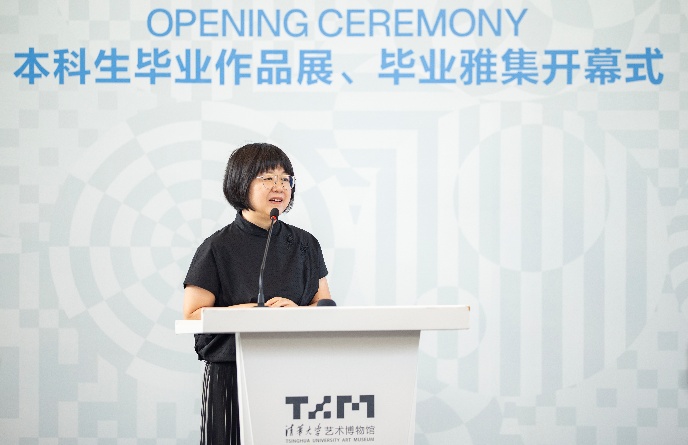
Wu Qiong (left) delivering remarks, Li Yingjun (right) hosting
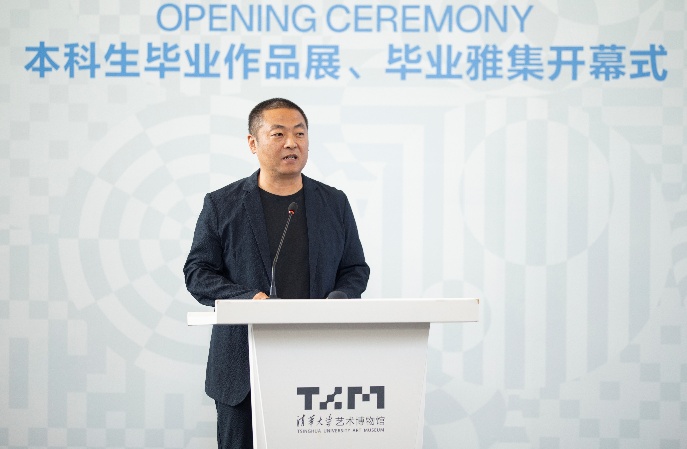
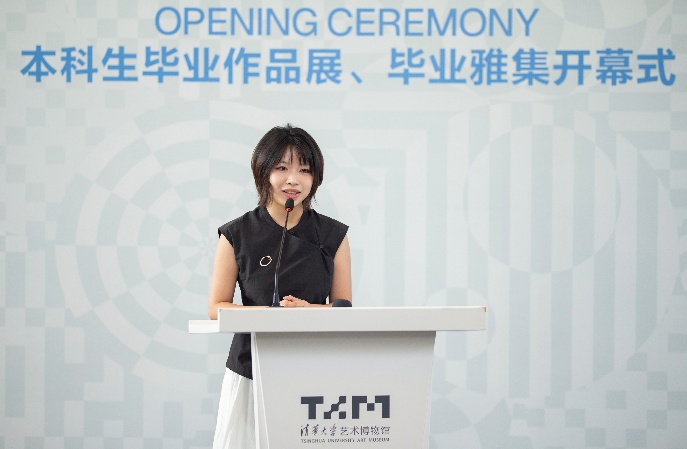
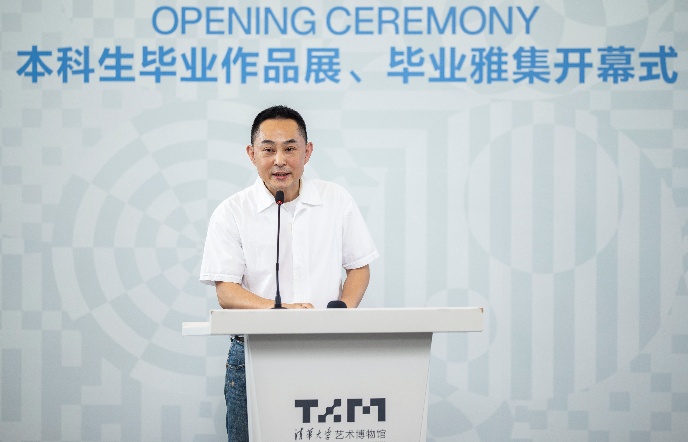
Ma Tianyu (left) and Chen Jingyuan (right) delivering remarks
Art-Science Integration: Documenting a Process of Growth
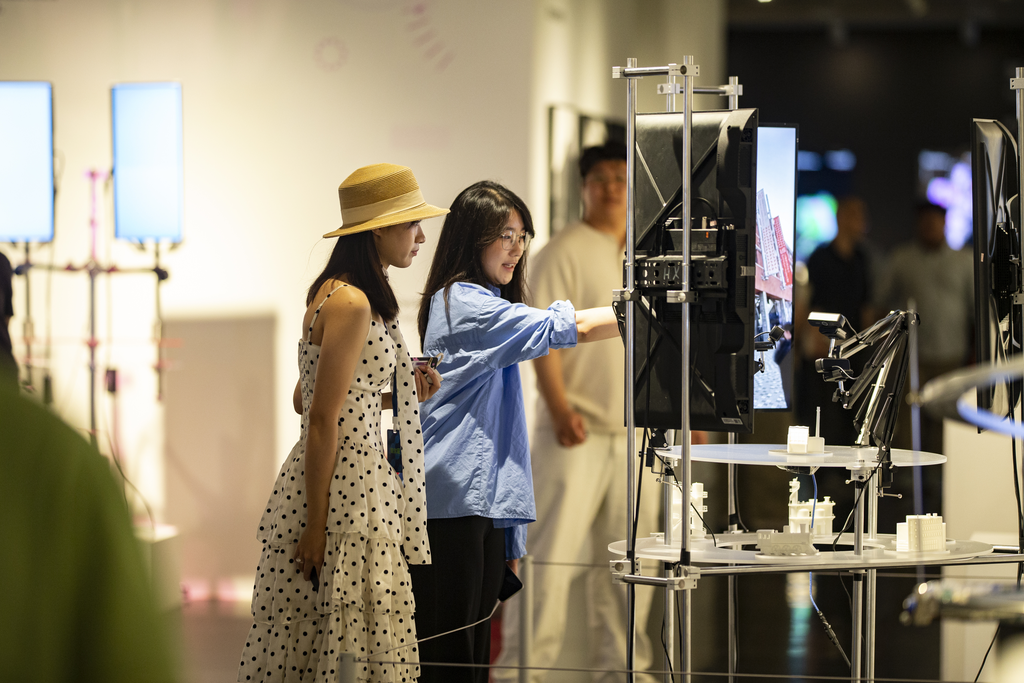
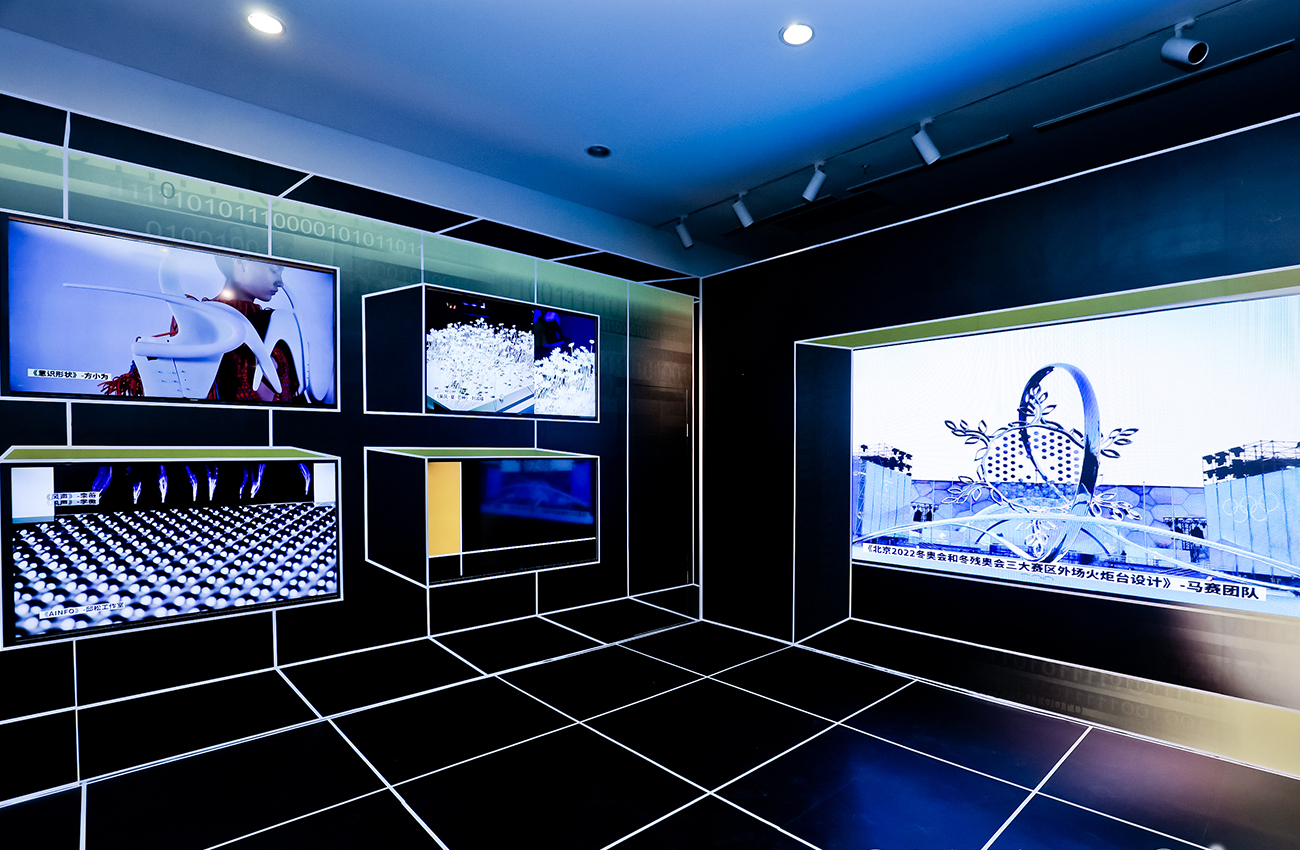
Art-science integration has long been foundational to AADTHU’s pedagogical philosophy, complemented by its enduring pursuit of “keen vision, high capability” in nurturing talent. In response to the profound reshaping of creative practice by artificial intelligence, students have proactively embraced cutting-edge tools, advancing experimentation in digital media, material innovation, and conceptual frameworks. Their works exhibit a distinctive synthesis of experimentation, critical reflection, and constructive ambition.
Each project spanning ideation, field research, material testing, prototyping, and final presentation functions as a living archive of learning: documenting how students refine judgment through trial and error, develop methodologies through interdisciplinary collaboration, and sharpen their analytical and interpretive capacities. Through art, they reclaim human scale; through science, they realize practical impact, bridging tradition and modernity, scholarship and lived experience. This approach honors AADT’s historic commitment to design for “clothing, food, shelter, and transportation”, while embodying the discipline’s contemporary shift toward integrated, transdisciplinary innovation.
Selected Works:
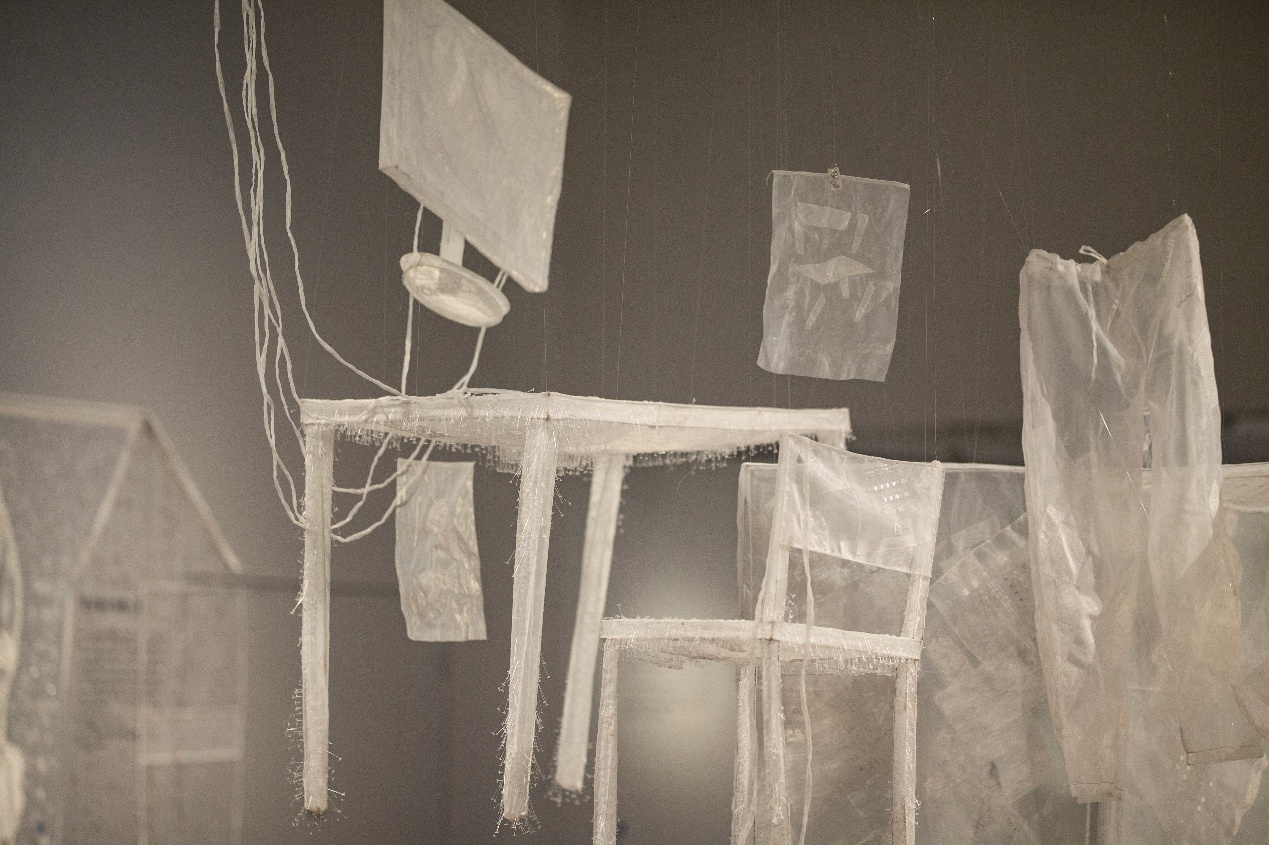
Long Yixin (Department of Arts and Crafts), A Day • Growth
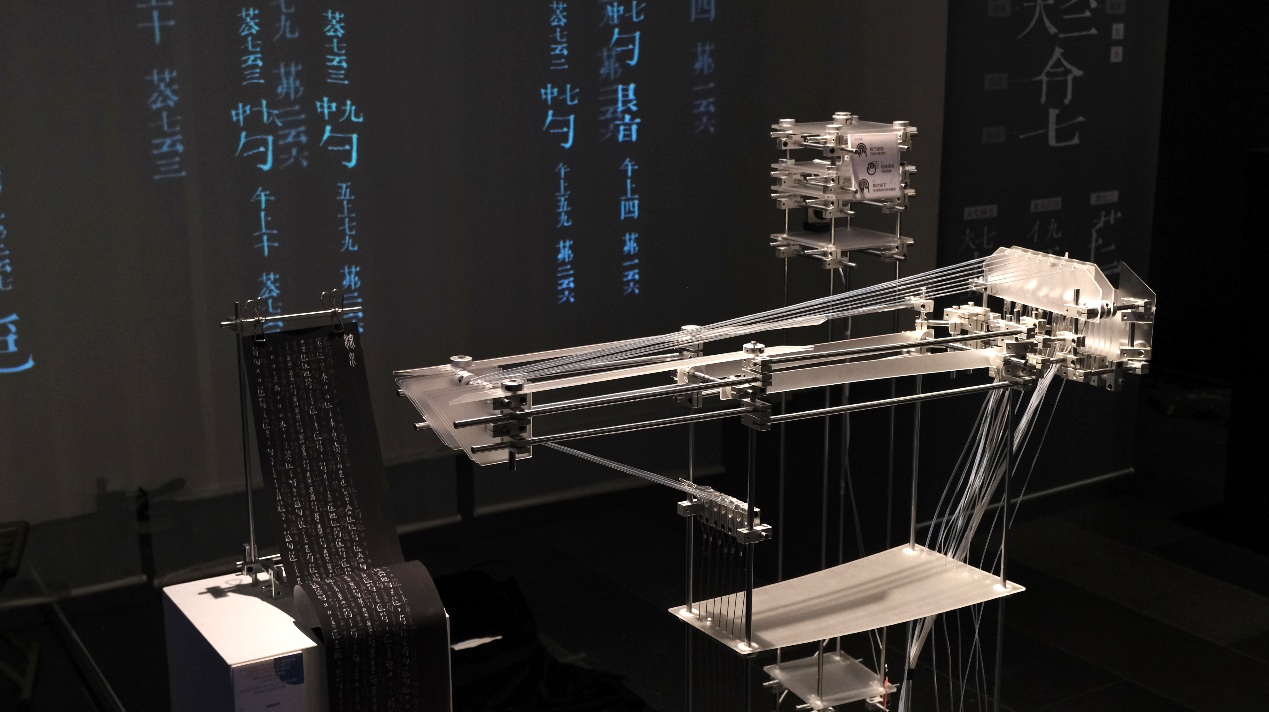
Liu Yue (Department of Information Art and Design), Strumming into Script
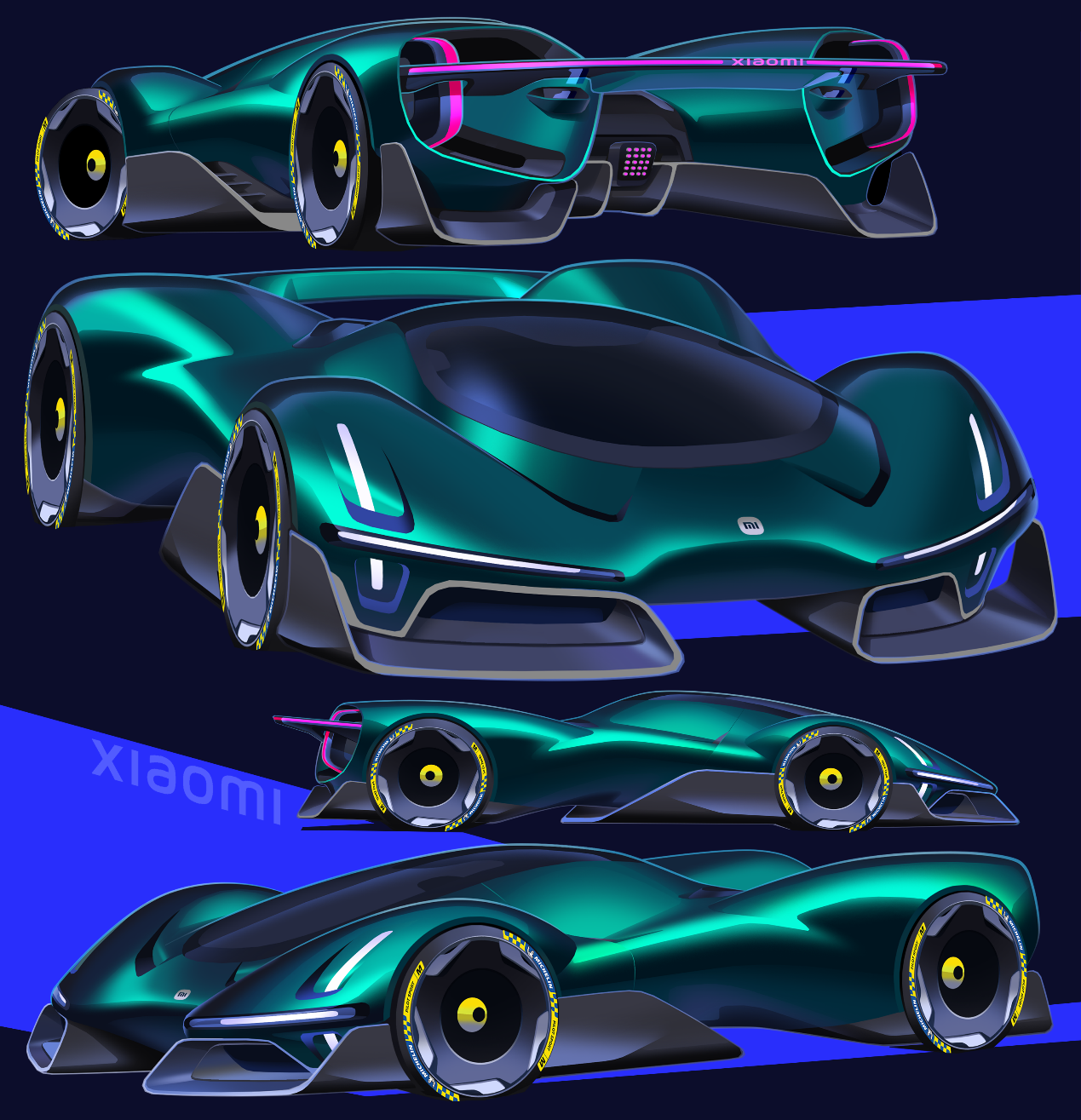
Liu Haoran (Department of Industrial Design), Xiaomi Metamorphrise
Youthful Vigor: Illuminating Ascent and Authenticity
AAC’s undergraduate education emphasizes robust foundational training alongside broad interdisciplinary exposure, while actively encouraging students to embed artistic inquiry within the fabric of social life. In an era marked by uncertainty, students demonstrate independent thinking and ethical engagement, using art not as escapism, but as a mode of dialogue with reality, self, and world.
What distinguishes this generation is their unflinching authenticity: works emerge from raw introspection, lived experience, and deliberate action, not as performative gestures, but as sincere traces of personal evolution. Their creations carry the emotional weight of hesitation, the clarity of resolve, and the quiet persistence of growth. Through intimate, embodied narratives, they illuminate the inner landscape of youth, its vulnerabilities, convictions, and evolving values.
Selected Works:
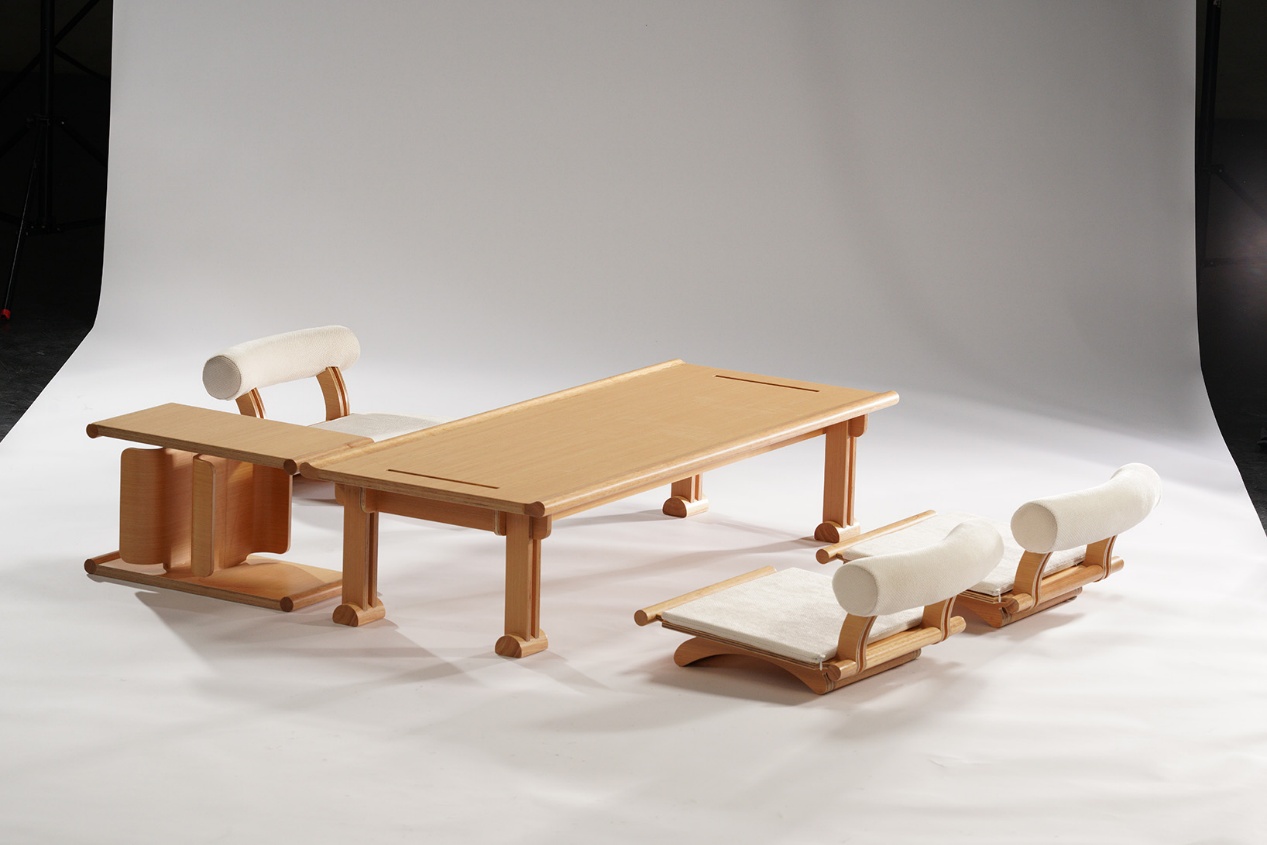
Yong Xiangting (Environmental Art Design Department), Zizai • Furniture Suite
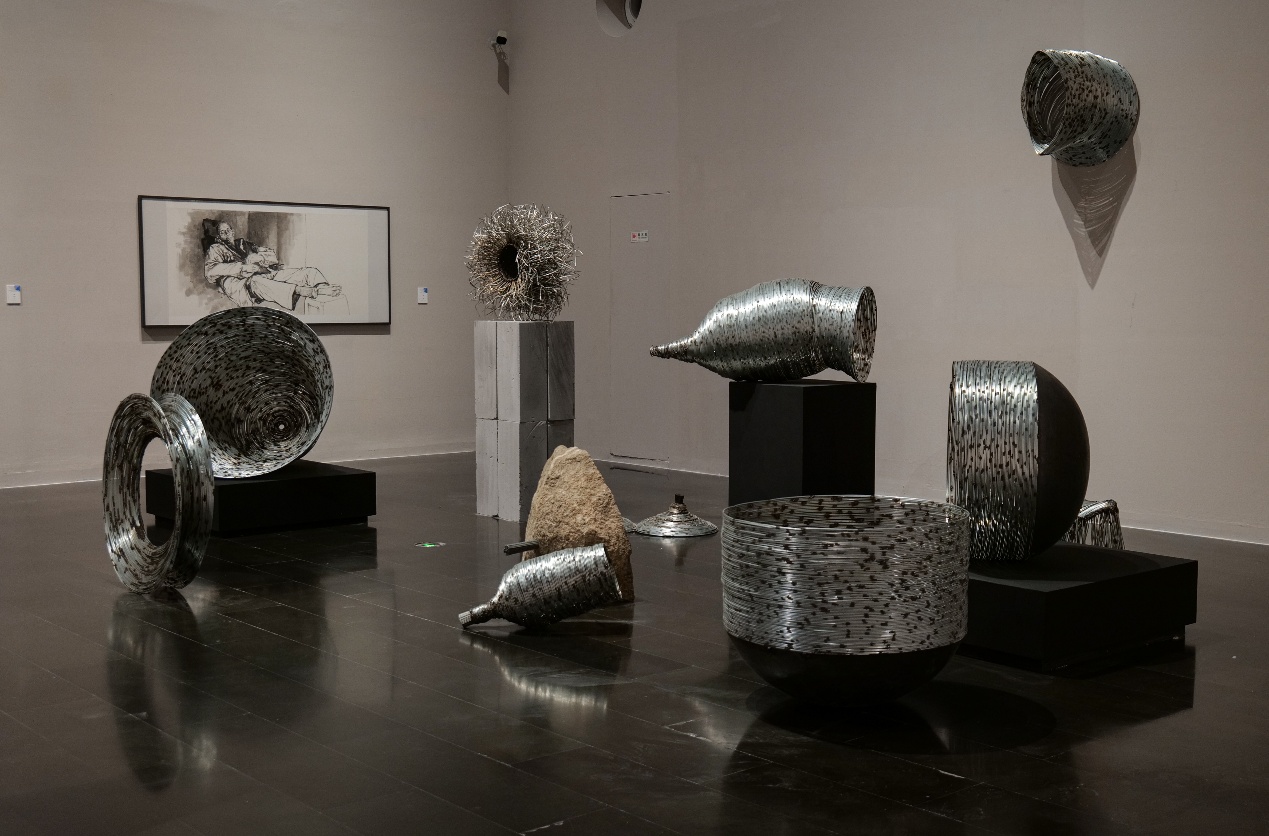
Li Yuan (Department of Sculpture), Threads
Wu Wanqian (Department of Visual Communication Design), Wheel
The Everyday World: Building Contemporary Expression from the Ground Up
While gazing toward distant horizons, these young creators remain firmly grounded in immediate reality. Their practice is characterized by deep observation of daily life and labor, empathetic attunement to local environments, and critical inquiry into the human condition within accelerating technological change. They interrogate place-based cultures, ecological interdependence, and the possibilities of public life, not merely as observers, but as active participants.
Many projects originate in the “near”, a term denoting lived experience that transcends the purely personal. Students turn their attention to family, campus, neighborhood, streets, and rural communities, identifying micro-moments of modern existence as portals to macro-scale questions. In doing so, they transform technical curiosity into creative catalysts and reframe art’s purpose through the lens of shared human futures, responding to global challenges with local insight and universal empathy.
Selected Works:
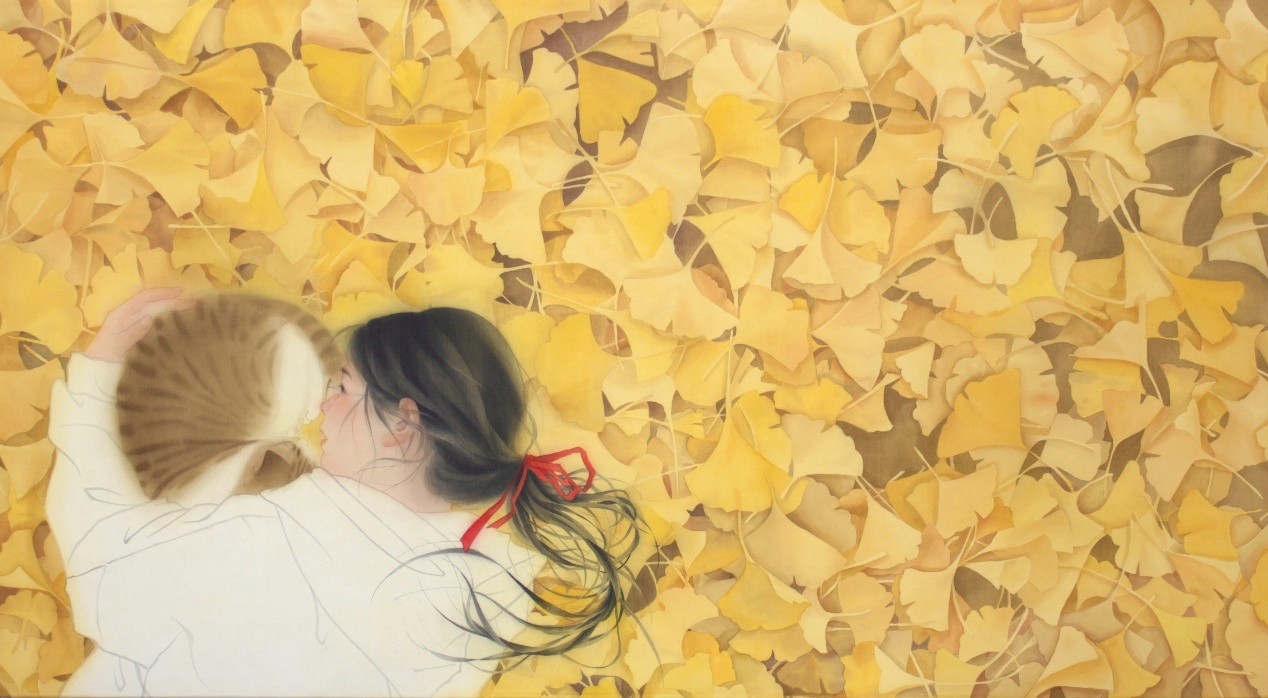
Xiang Xuanran (Painting Department), Love • LOVE
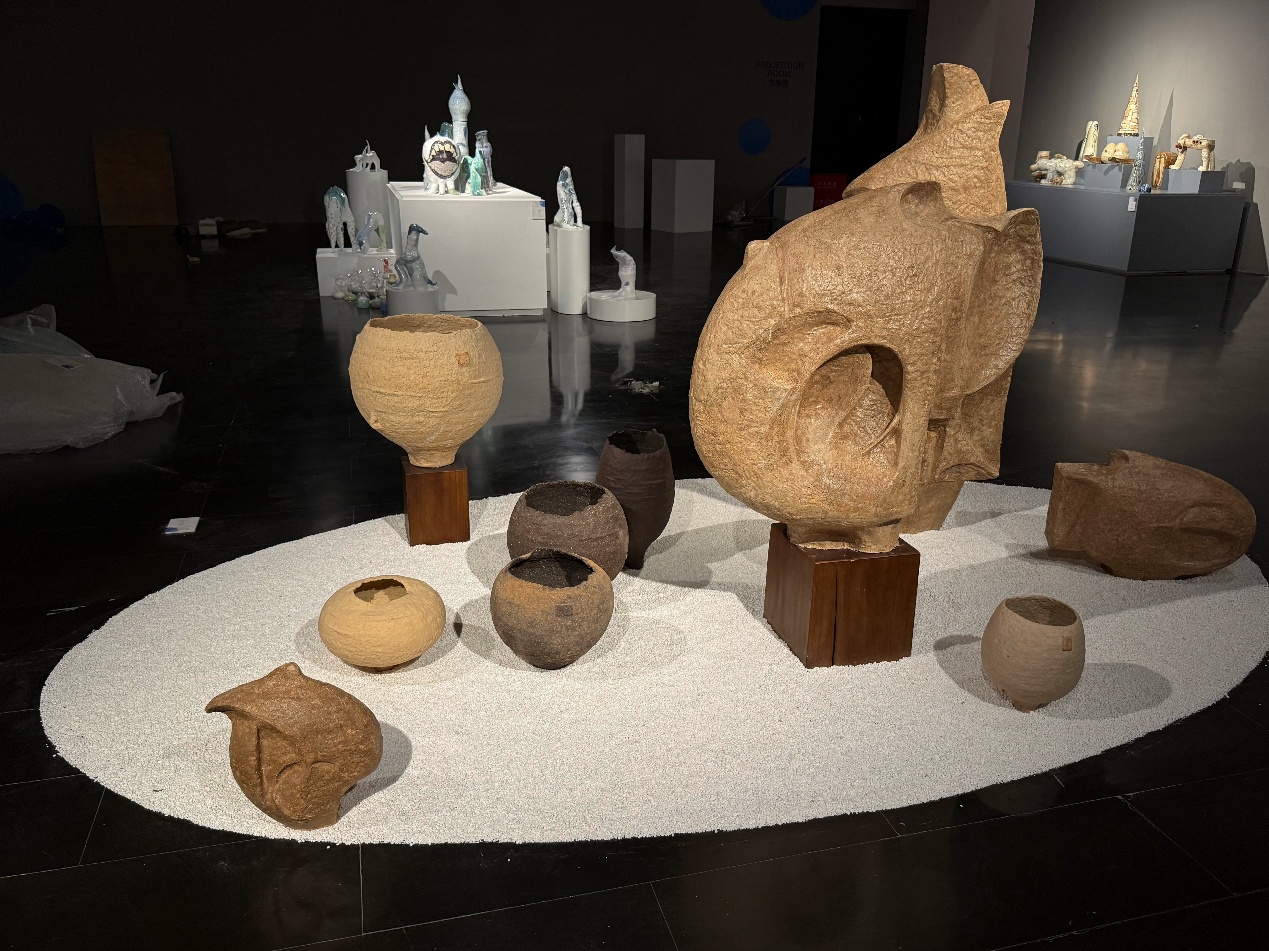
Yang Youjia (Ceramic Art Design Department), Between Fusion and Construction — Vessel of the Sunken Niche
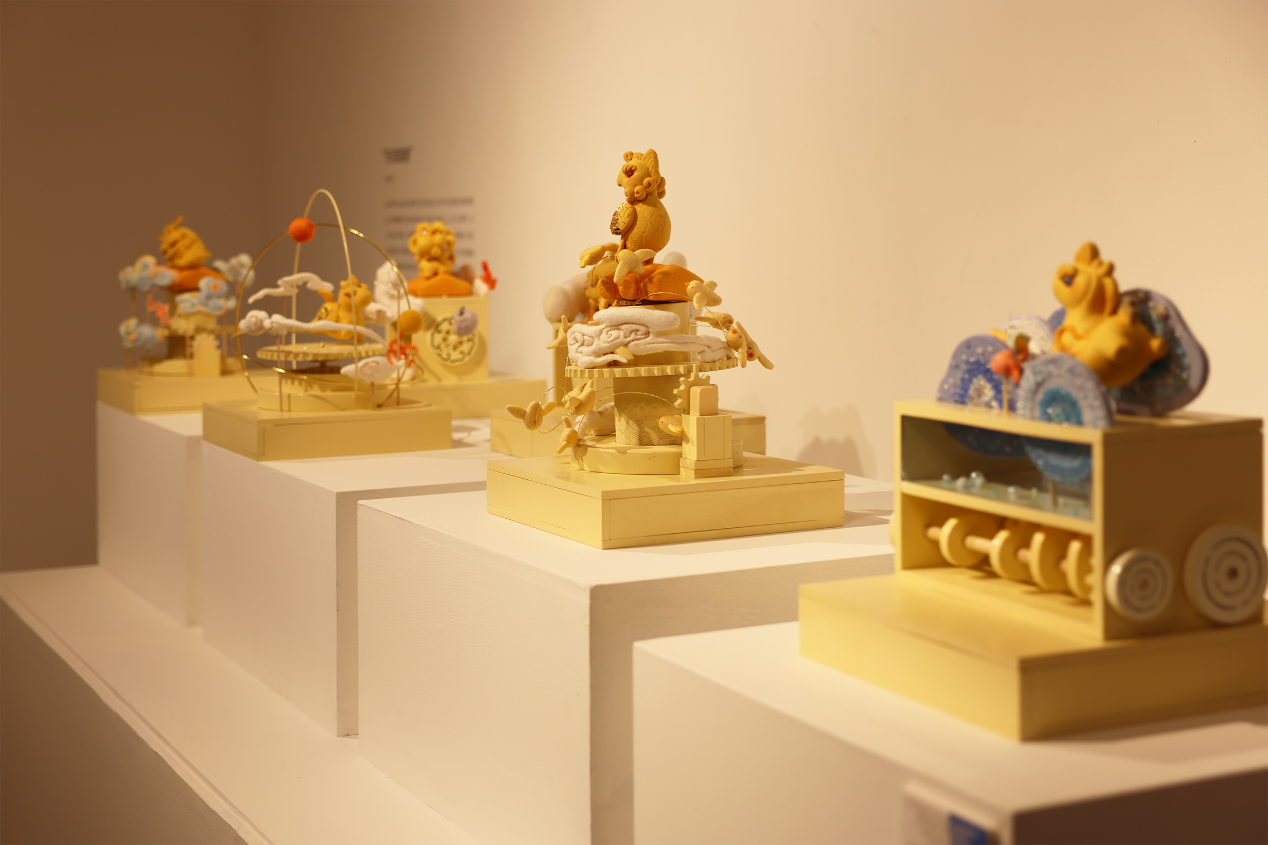
Kang Jiale (Department of Textile and Fashion Design), Celestial Guardian Beasts
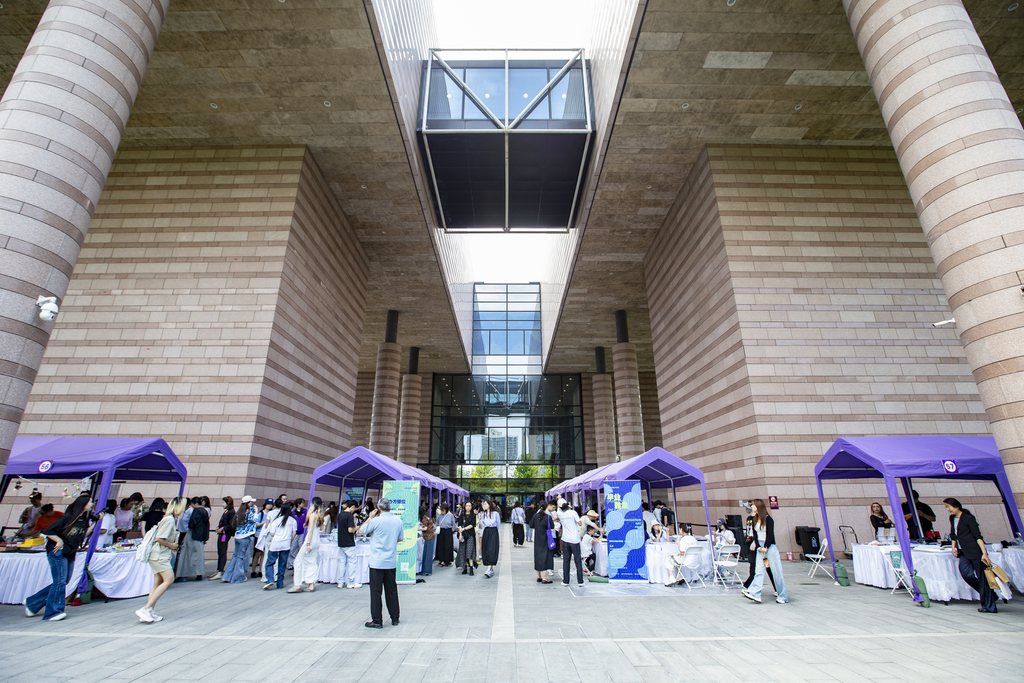
Graduation Art Fair: Igniting the Creative Spark
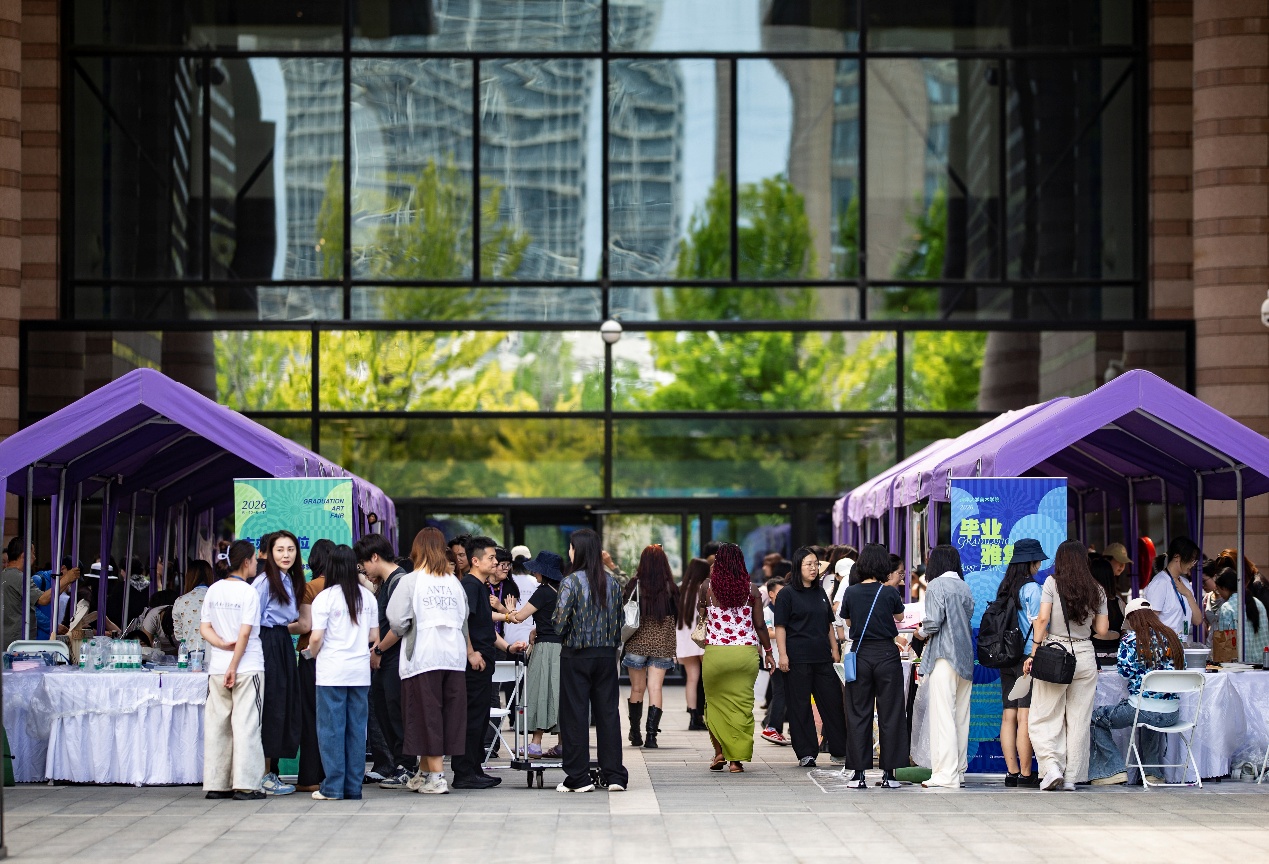
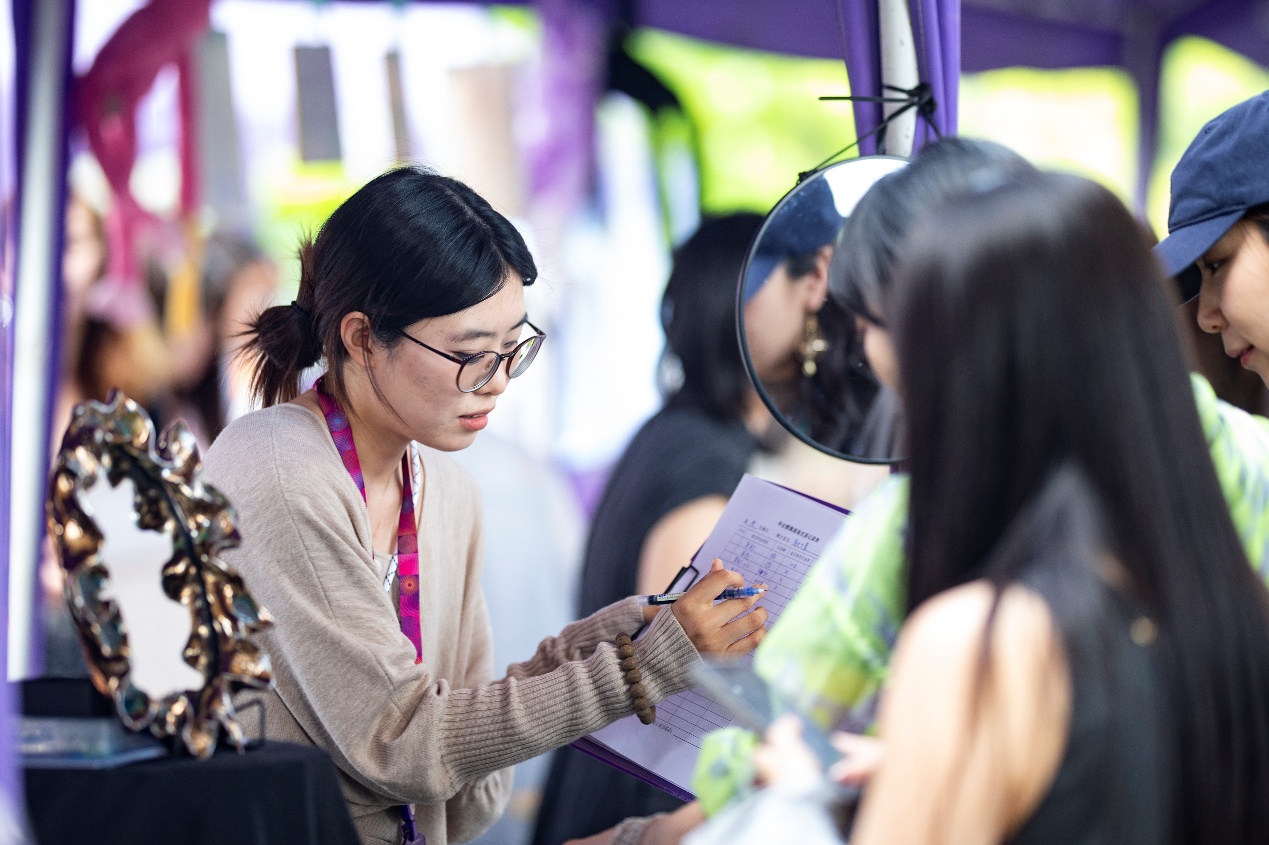
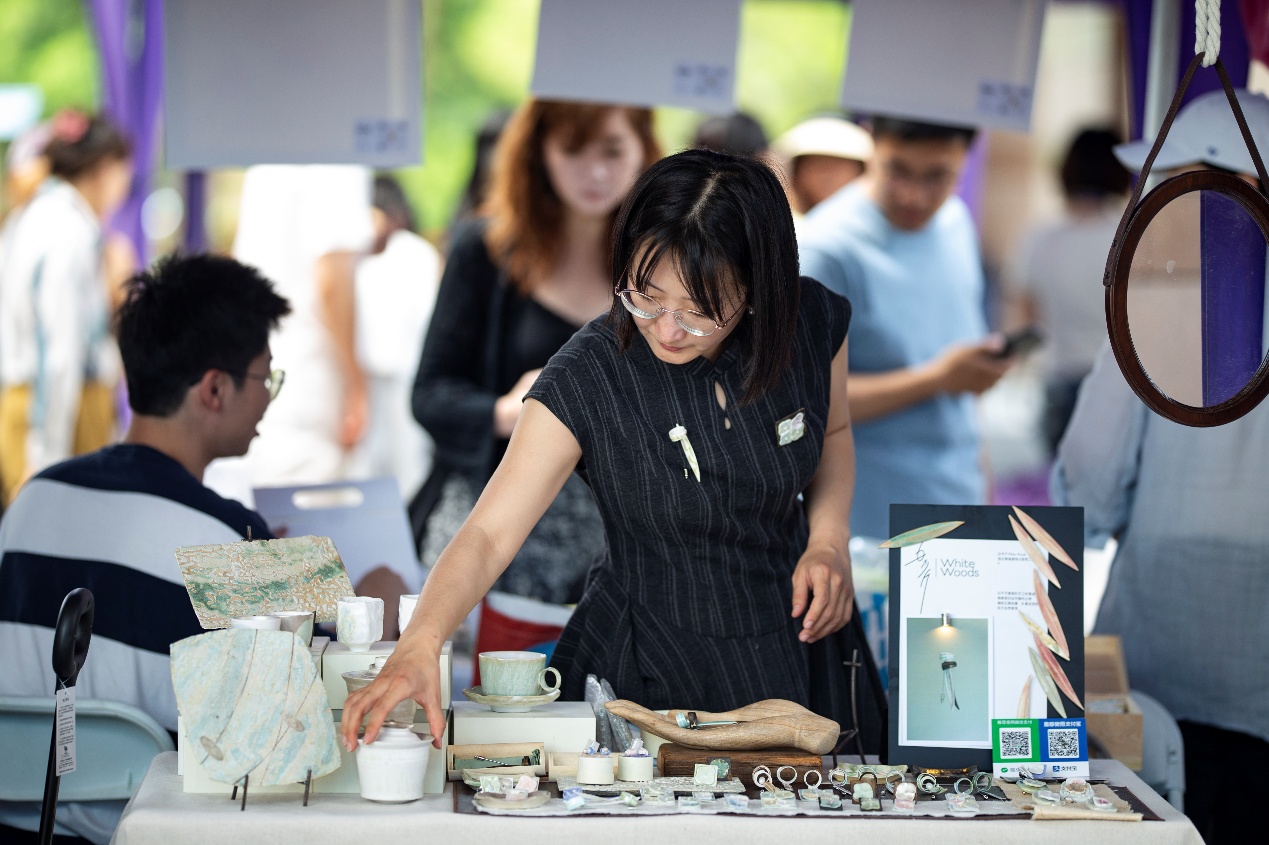
As a pivotal extension of the graduation exhibition, from academic output to social aesthetic education, the inaugural “Graduation Art Fair” serves as a dynamic bridge between campus creativity and public cultural life. Featuring 72 booths, the Fair welcomed over 110 vendors, including alumni, graduating students, and current undergraduates, who presented more than 3,000 original artworks and creative products across over 20 categories.
Designed as an open platform linking professional training with entrepreneurial experimentation, the Art Fair advances the tripartite mission of professional education, artistic dissemination, and social aesthetic education. It exemplifies the principle that “art enters daily life; creativity serves society.”
A Closing Reflection
Seeing the near reminds us that authentic creation begins in the tangible, within homes, streets, and classrooms. Caring for the far reflects the enduring spirit of youth: restless curiosity, moral courage, and the unwavering belief that art can illuminate paths forward.
The AADTHU 2026 Graduation Exhibition, comprising nearly 1,000 works, is not merely a culminating academic ritual, but a vibrant public declaration. It invites audiences to witness, reflect upon, and participate in the flourishing vitality of a new generation of Chinese designers and artists, whose work is as deeply local as it is universally resonant.