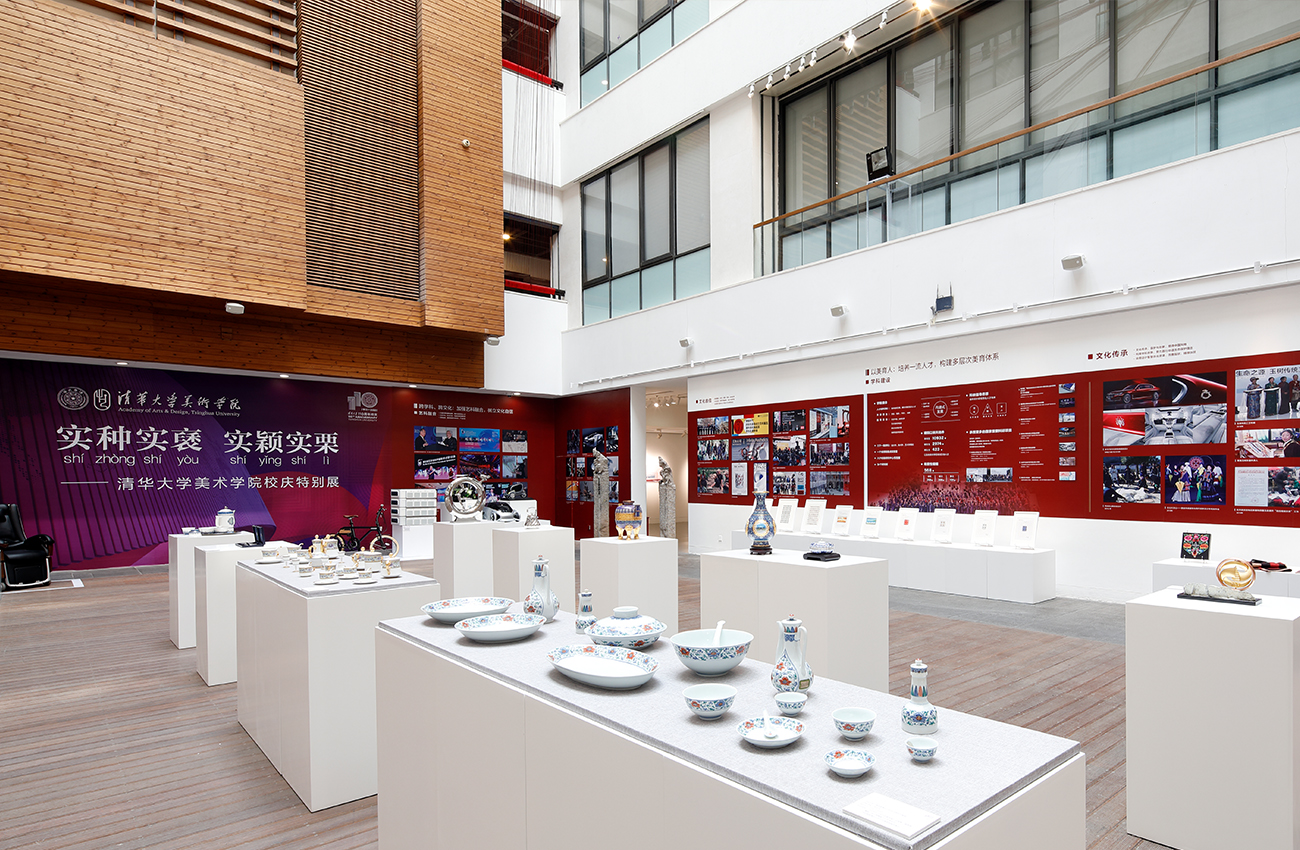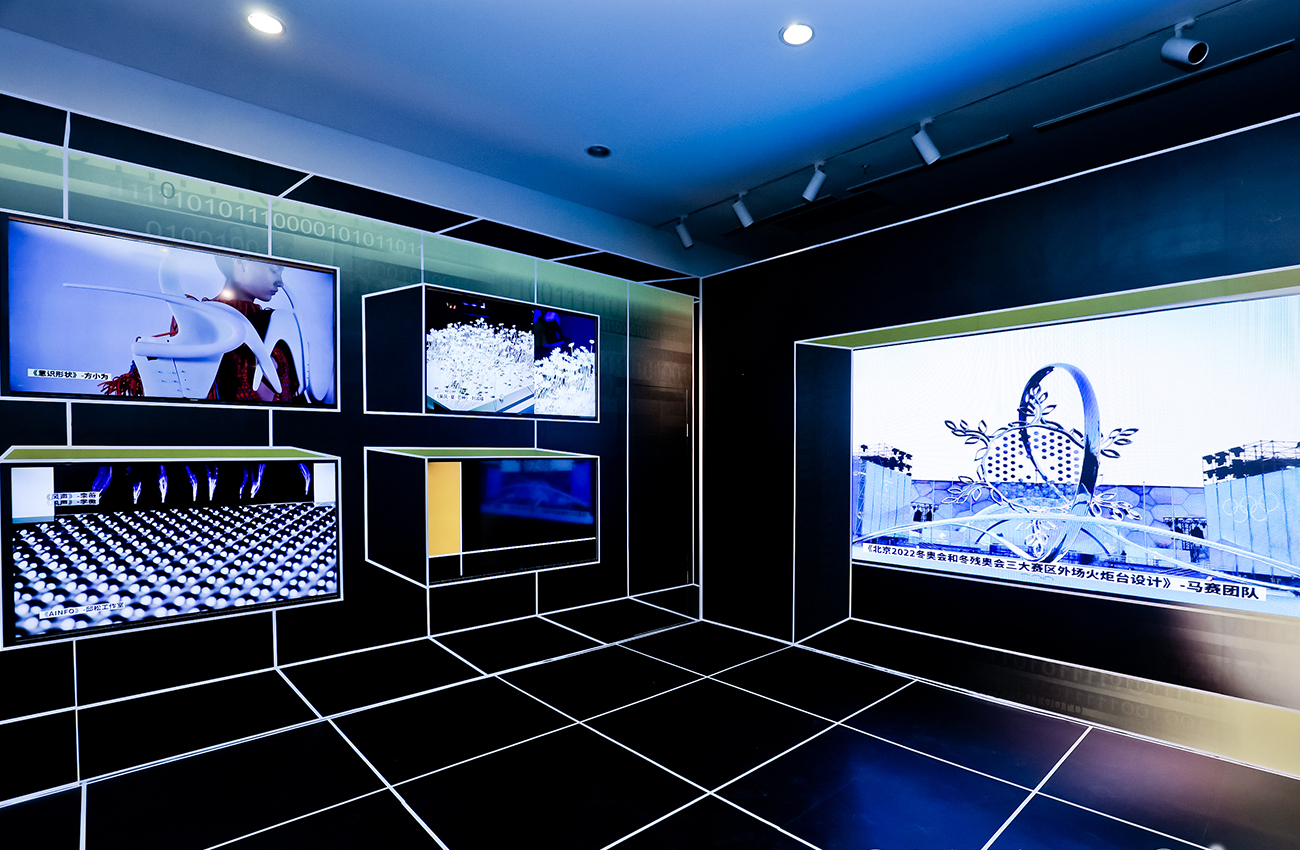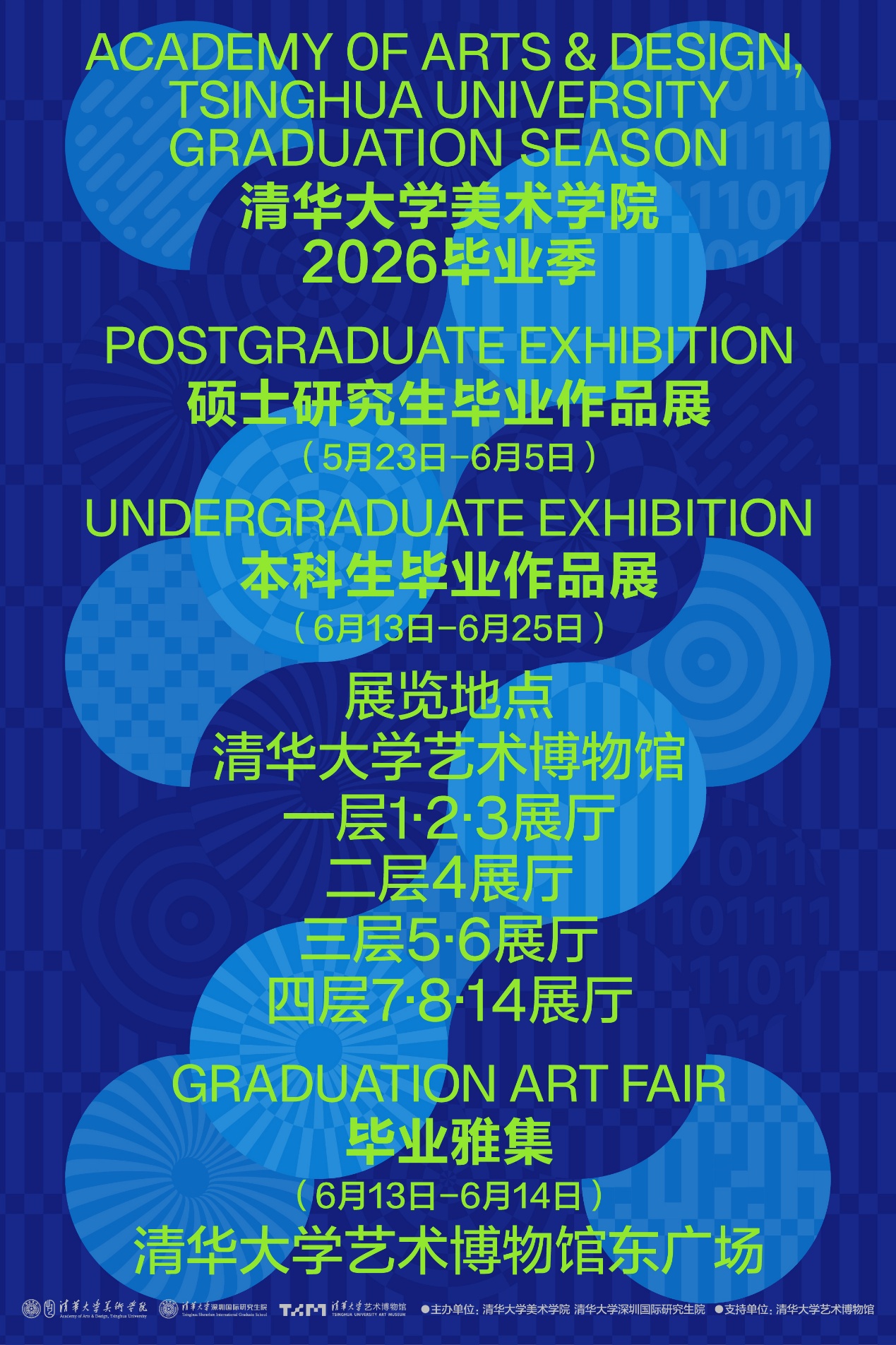
On May 22, the 2026 Postgraduate Exhibition of the Academy of Arts & Design, Tsinghua University opened at the Tsinghua University Art Museum, showcasing over 1,200 works across Department of Textile and Fashion Design, Ceramic Design, Visual Communication Design, Environmental Art Design, Industrial Design, Arts and Crafts, Information Art and Design, Painting, Sculpture, and the Master’s Program in Popular Science Innovation and Design.
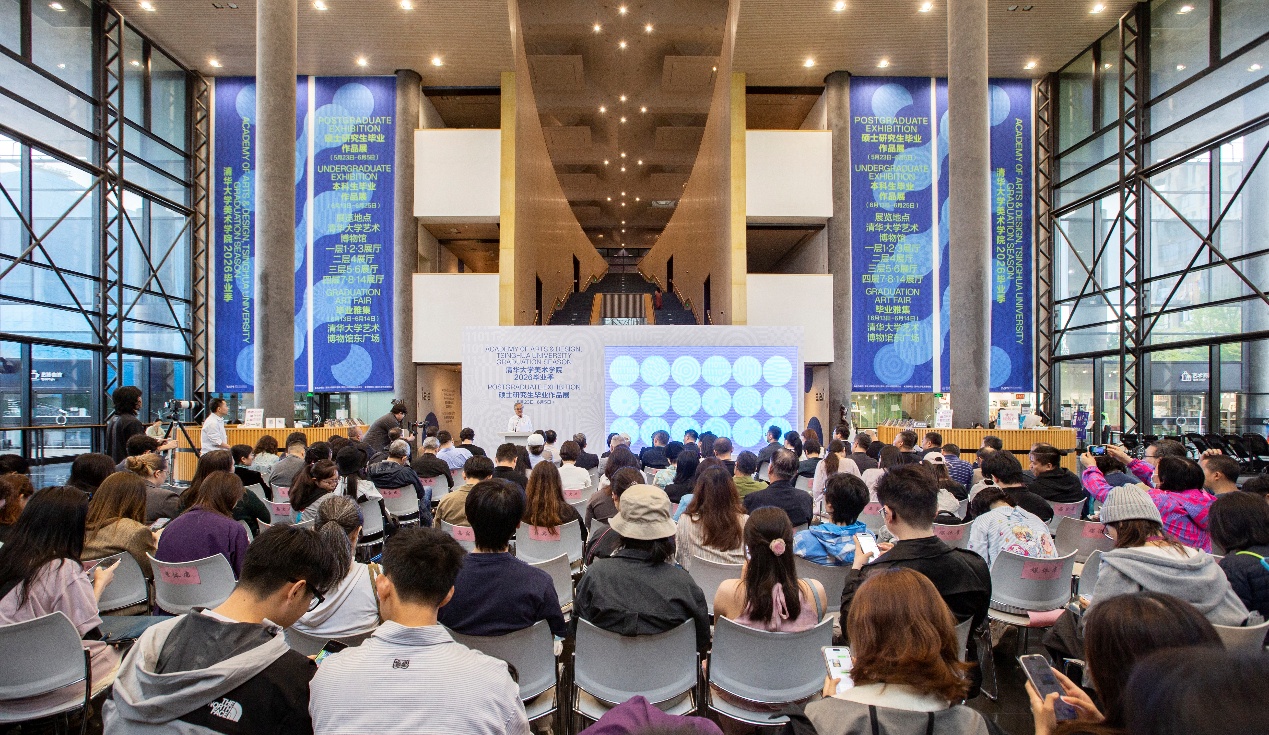
As the centerpiece of this year’s 2026 Graduation Season, the exhibition is held exclusively within the Tsinghua University Art Museum, a national first-level museum designated by China’s Ministry of Culture and Tourism. Running through June 5 and open to the public, the exhibition fulfills the Museum’s mission to advance public aesthetic education and extend the reach of art education beyond the academy.
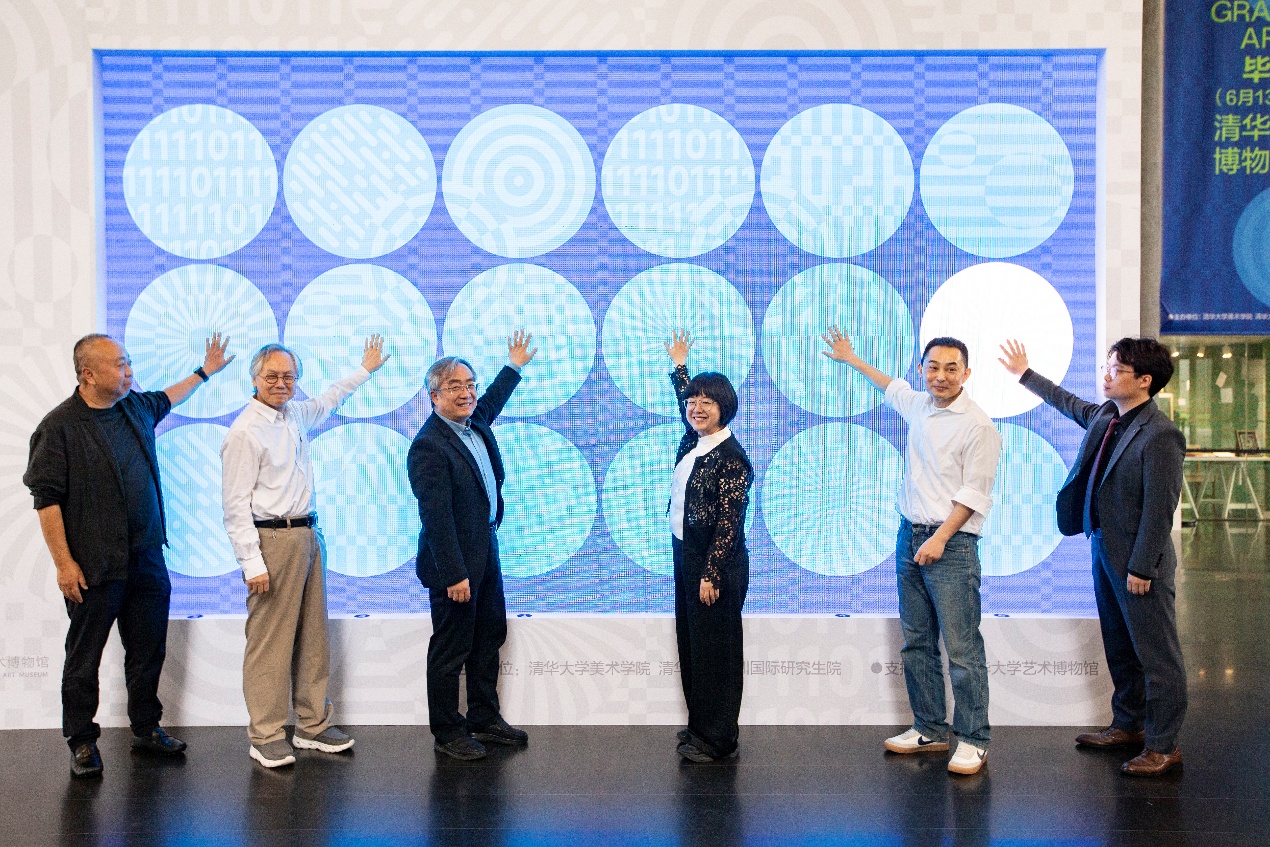
A Dual-Track Vision: “Internal Depth, External Expansion”
At the opening ceremony, Dean Prof. Wu Qiong of the Academy of Arts & Design, Tsinghua University emphasized the school’s guiding principle: dual-directional momentum. In an era reshaped by generative AI and rapid technological convergence, she stated, the Academy remains steadfast in two complementary directions:
Inwardly, it returns to the tangible, lived experience, the warmth of daily life, anchoring design and art in critical aesthetic judgment and humanistic care;
Outwardly, it actively dissolves disciplinary boundaries, inviting knowledge, methodologies, and innovations from diverse fields to intersect, challenge, and enrich one another.
She commended this year’s graduates for “not losing themselves in the dazzle of tools, not letting technology override reflection, and never forgetting that ‘design serves people, and art responds with empathy.’” Their works, she noted, demonstrate how artistic sensitivity and humanistic warmth can harness new technologies and materials to create beauty and goodness, responding concretely to real-world needs.
Prof. Lu Xiaobo, Tsinghua University’s Distinguished Professor of Humanities and Director of the Tsinghua University Art Museum, traced the Academy’s 70-year legacy, from its founding in 1956, to its enduring commitment to “serving the people.” For him, this is not an abstract slogan, but a lived ethic, manifest in every work rooted in daily reality and responsive to contemporary challenges. He reaffirmed the Museum’s role as a lifelong intellectual home for artists, committed to witnessing, and nurturing, the emergence of each new generation of creative voices.
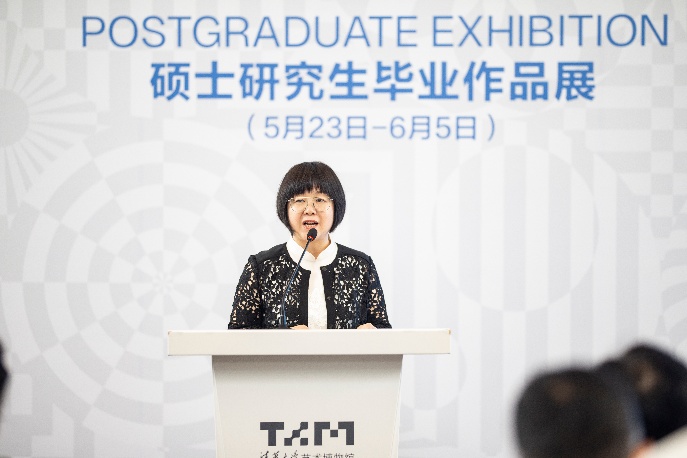
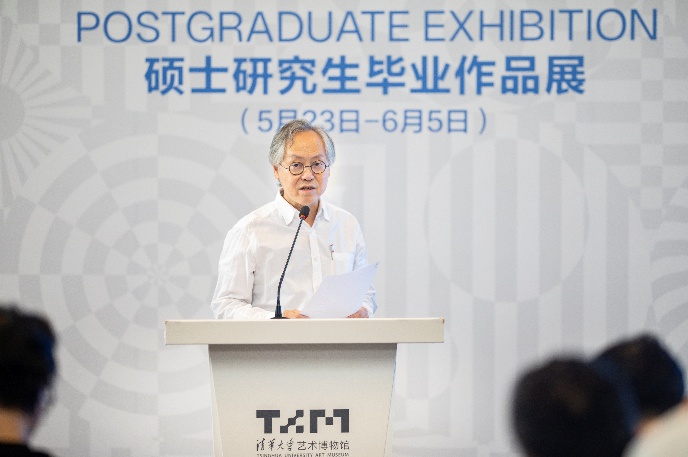
Dean Wu Qiong (left) and Prof. Lu Xiaobo (right) delivering remarks at the opening ceremony.
The “Decorative Spirit”: Tradition Reimagined
Prof. Wang Hongwei of the Department of Visual Communication Design, speaking on behalf of faculty, highlighted students’ deep engagement with Eastern aesthetic traditions amid AI-driven interdisciplinary fusion. He noted their adeptness in reinterpreting classical motifs through contemporary visual languages, breathing new life into ancient crafts, synthesizing Eastern and Western perspectives, and illuminating the synergy between scientific rationality and artistic sensibility.
“These explorations are not mere revival,” he said, “but a living transmission of the Academy’s 70-year scholarly lineage, and, above all, a faithful embodiment of the decorative spirit: not bound by form, but centered on meaning.”
This phrase captures the philosophical core of China’s modern design tradition: the elevation of intention over ornament, substance over surface.
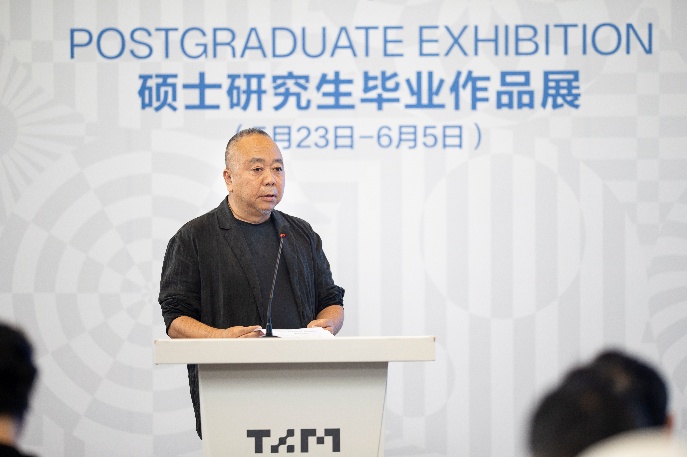
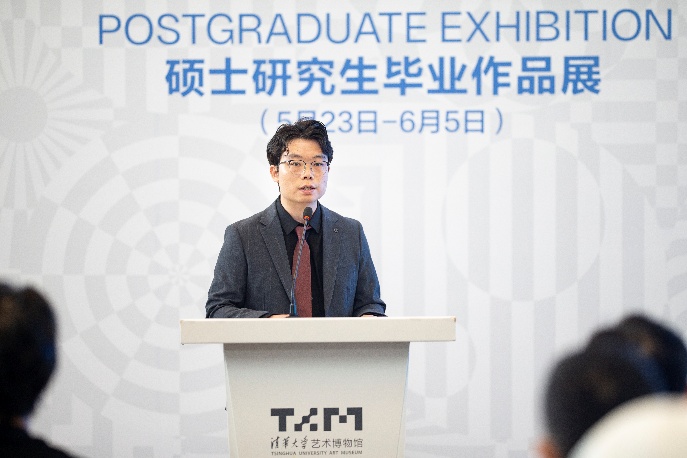
Prof. Wang Hongwei (left) and graduate Xie Weipeng (right) addressing the audience.
From Ideation to Impact: A Story of Transformation
Postgraduate Xie Weipeng (Science Communication & Creative Design Program) shared his journey from idealistic entrepreneur to systems-level innovator. Motivated by a desire to “change the world,” he entered the Academy of Arts & Design, Tsinghua University to probe the very nature of design. Leveraging Tsinghua’s interdisciplinary ecosystem, he developed an AI-powered smart glasses system to assist visually impaired individuals in navigating obstructed tactile paving, a solution that won the national “Design+” Innovation Award and gained international exposure.
“Three years here transformed me,” he said, “from a single-discipline designer into an innovator equipped with industrial thinking and a global outlook.”
Art as Social Practice: Rooted Locally, Radiating Globally
The 2026 Postgraduate Exhibition reflects a profound generational attunement to the moment: students embrace AI as a tool, not a substitute, deploying it to expand narrative possibilities, reframe ecological discourse, and reimagine human–technology interfaces. Yet they do so while safeguarding the discipline’s core: aesthetic discernment, ethical responsibility, and deep human empathy.
Two defining traits emerge:
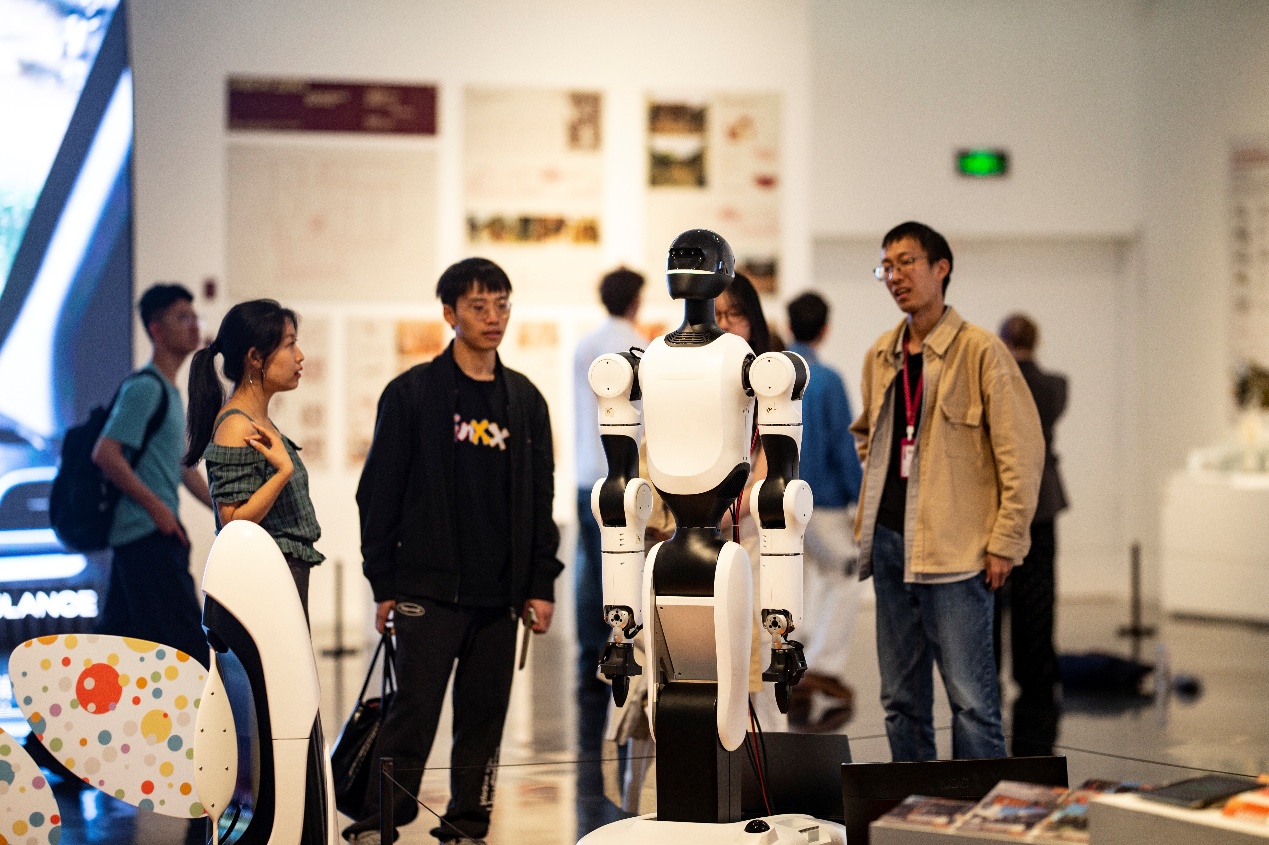
Active Boundary Dissolution: Works fuse AI with material experimentation, algorithmic storytelling, multi-sensory installations exploring symbiosis between ecology and art, and design interventions addressing urgent social needs:
Wearable assistive devices for the visually impaired
“Light Social” companion robots for elderly community members
Micro-scale urban renewal proposals for neighborhood revitalization
Here, technology acquires human texture, a phrase used by organizers to describe how tech becomes embedded in lived experience, not imposed upon it.
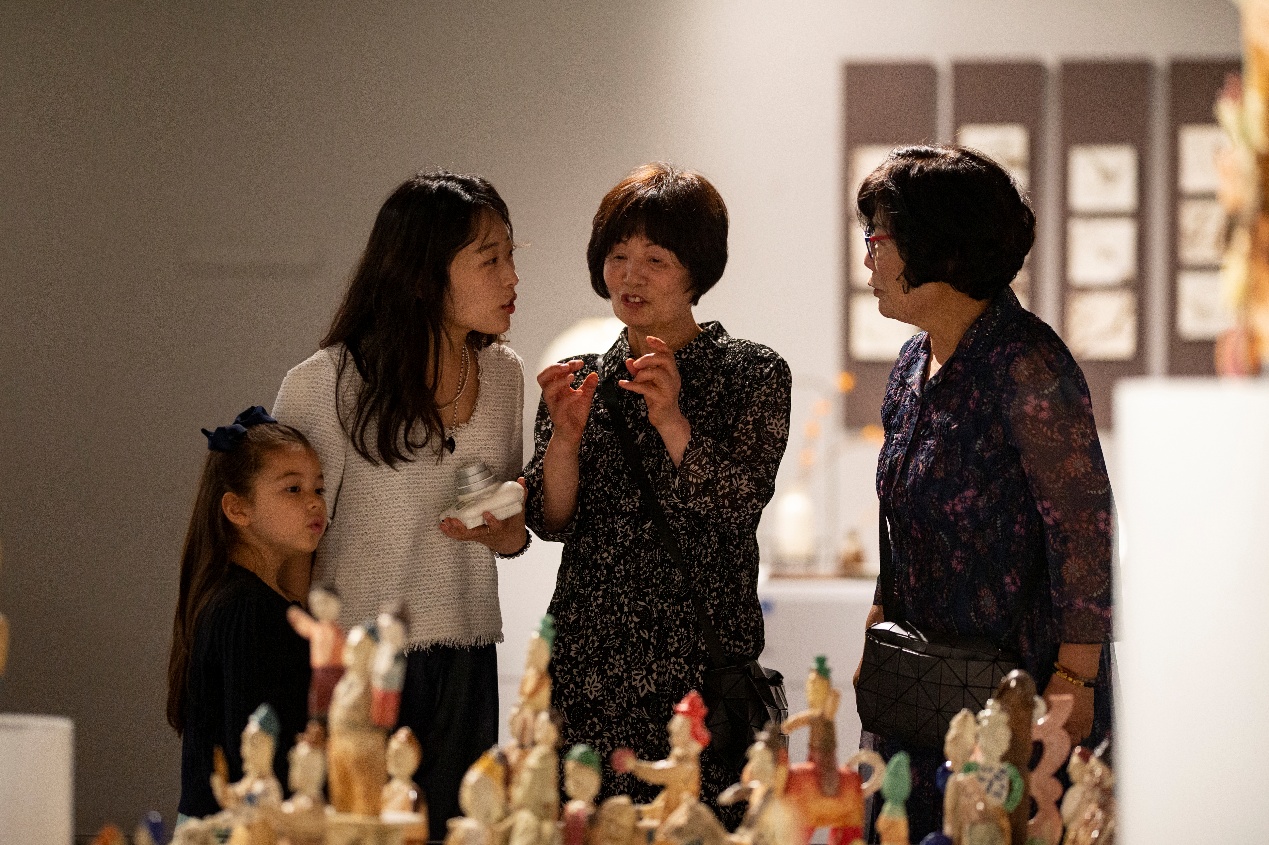
Contemporary Vernacular: Students delve into local cultural strata, culinary memory, folk ritual, dialectal rhythm, visual idioms, recollecting fragmented heritage and reweaving it into designs that are both contemporary and deeply rooted. This is cultural confidence made tangible: not through replication, but through resonant reinterpretation.
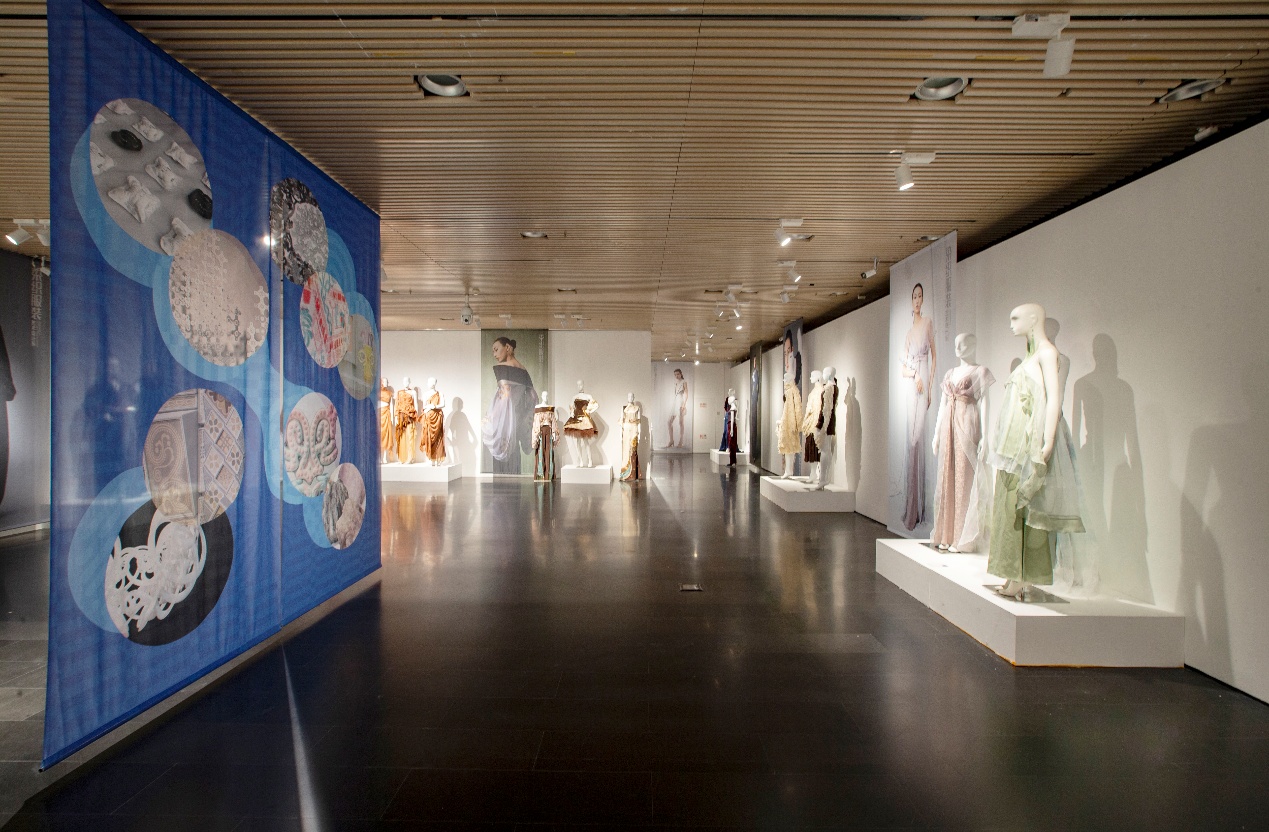
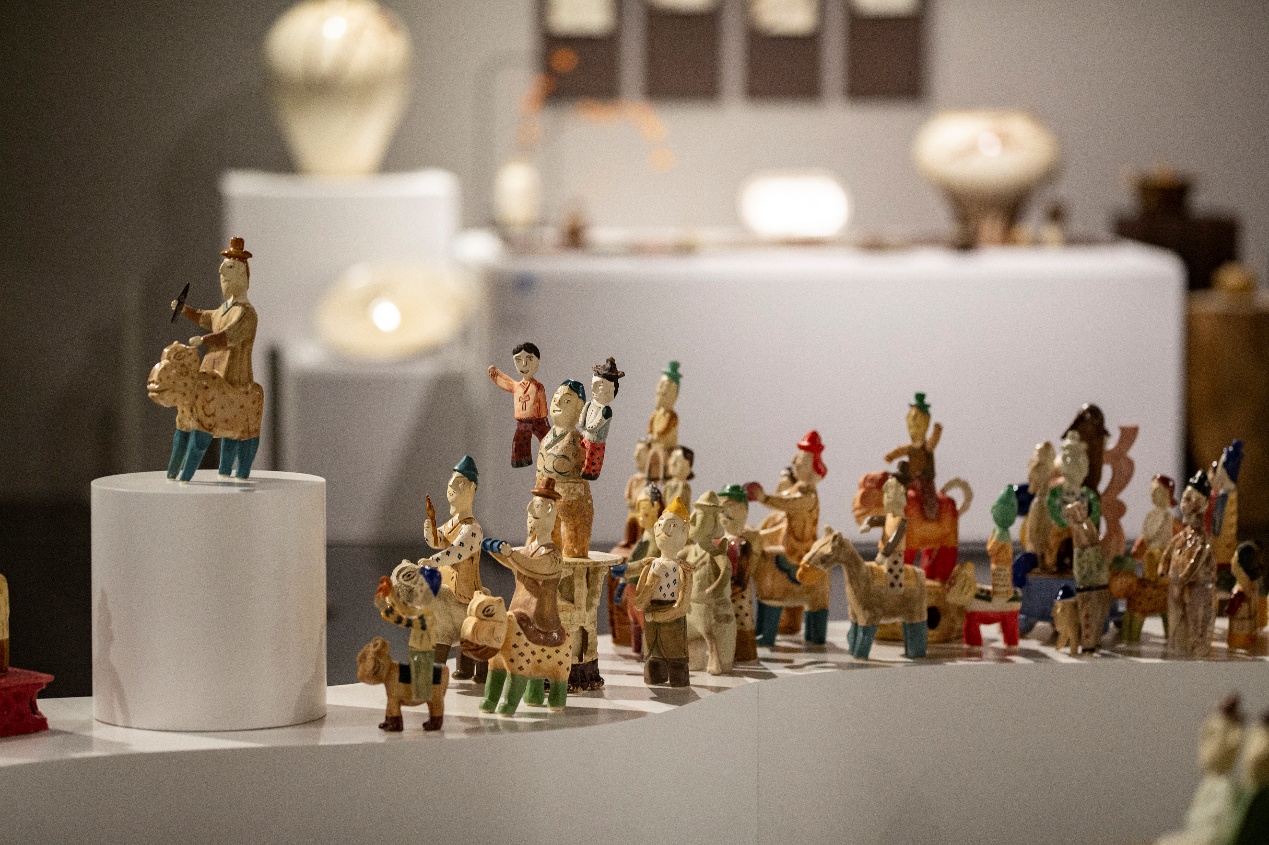
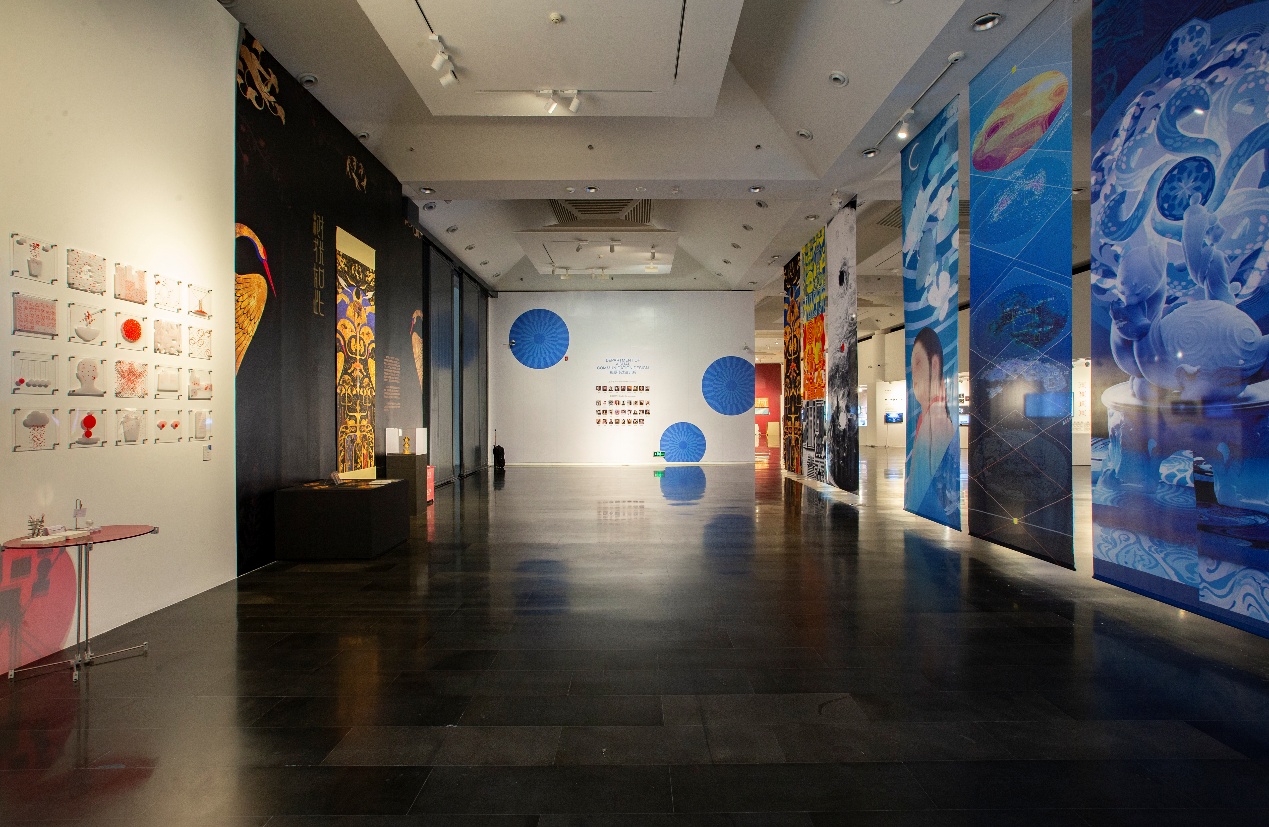
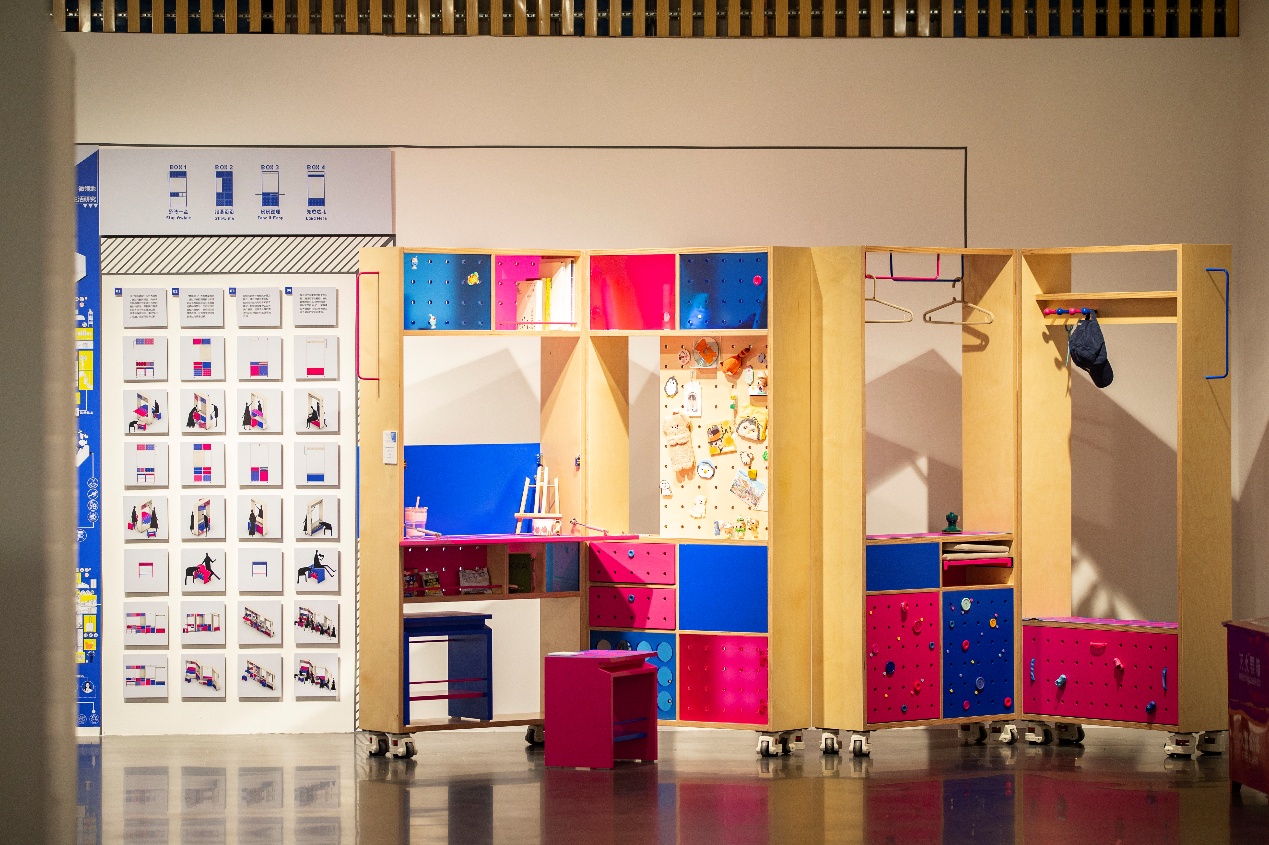
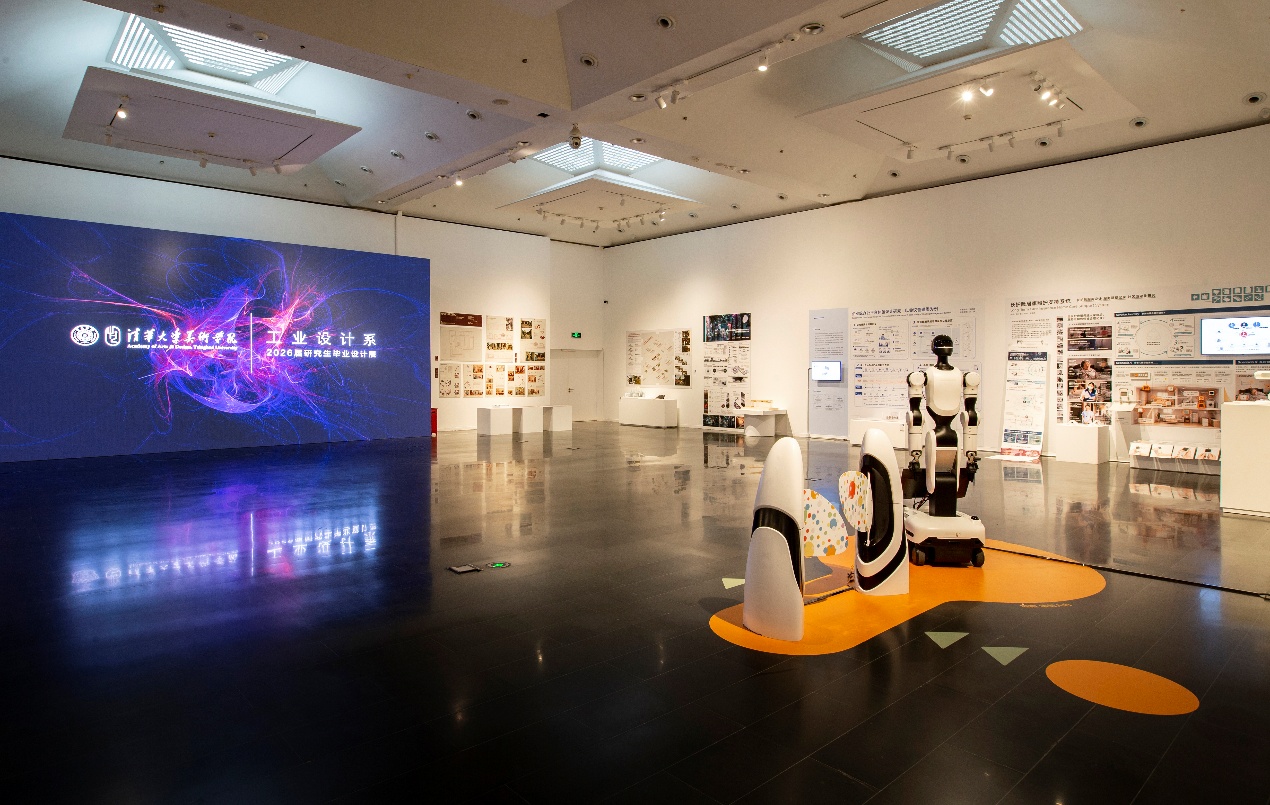
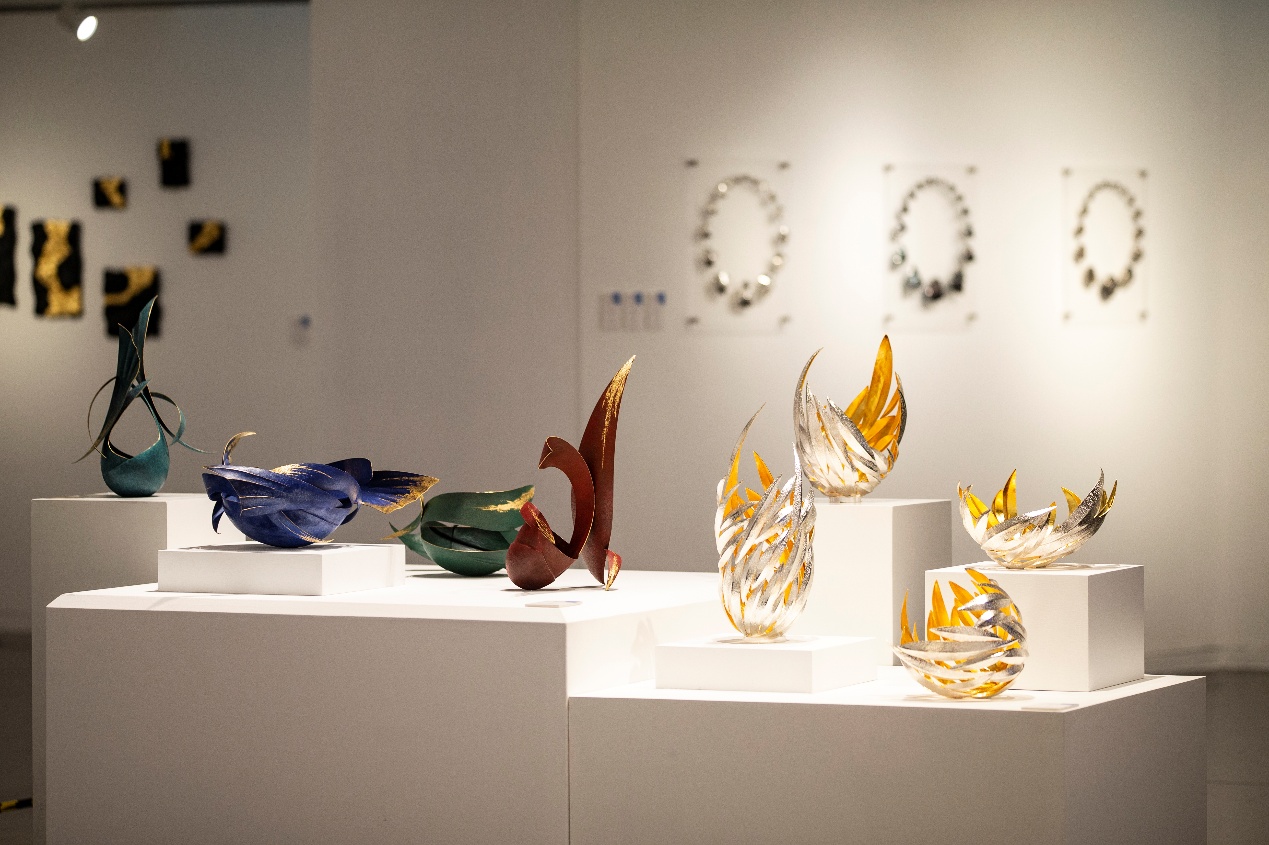
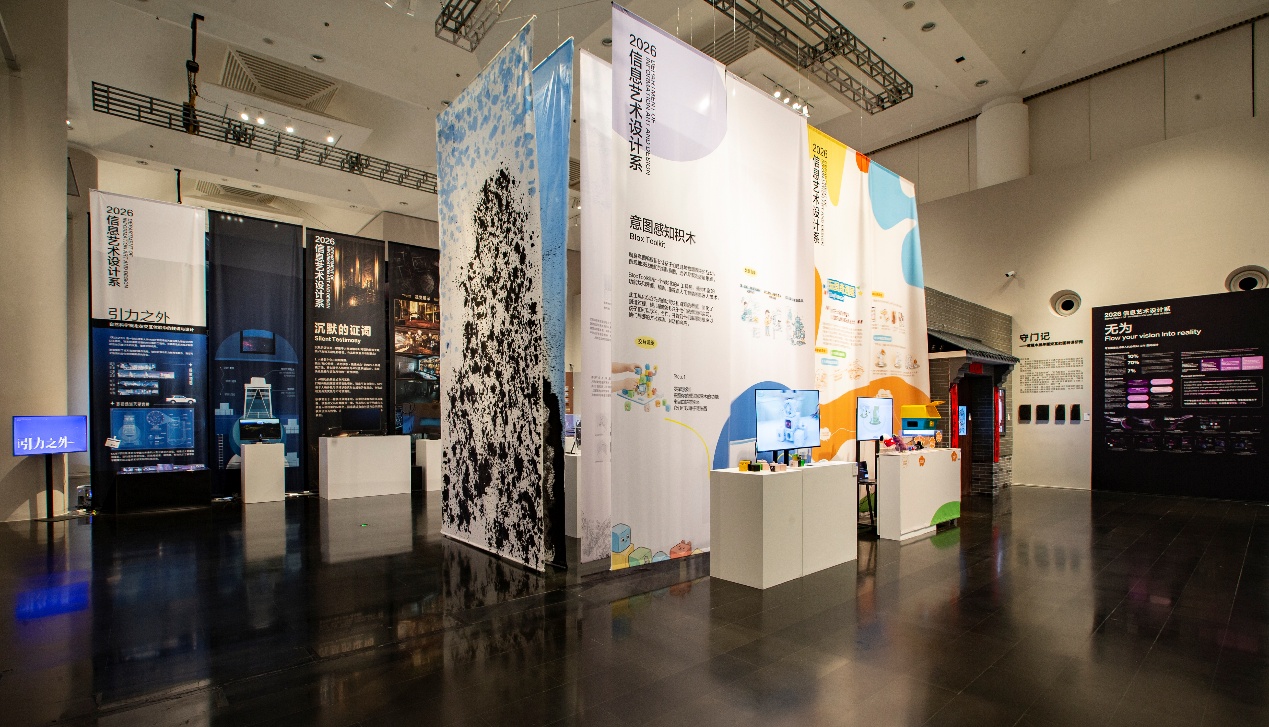
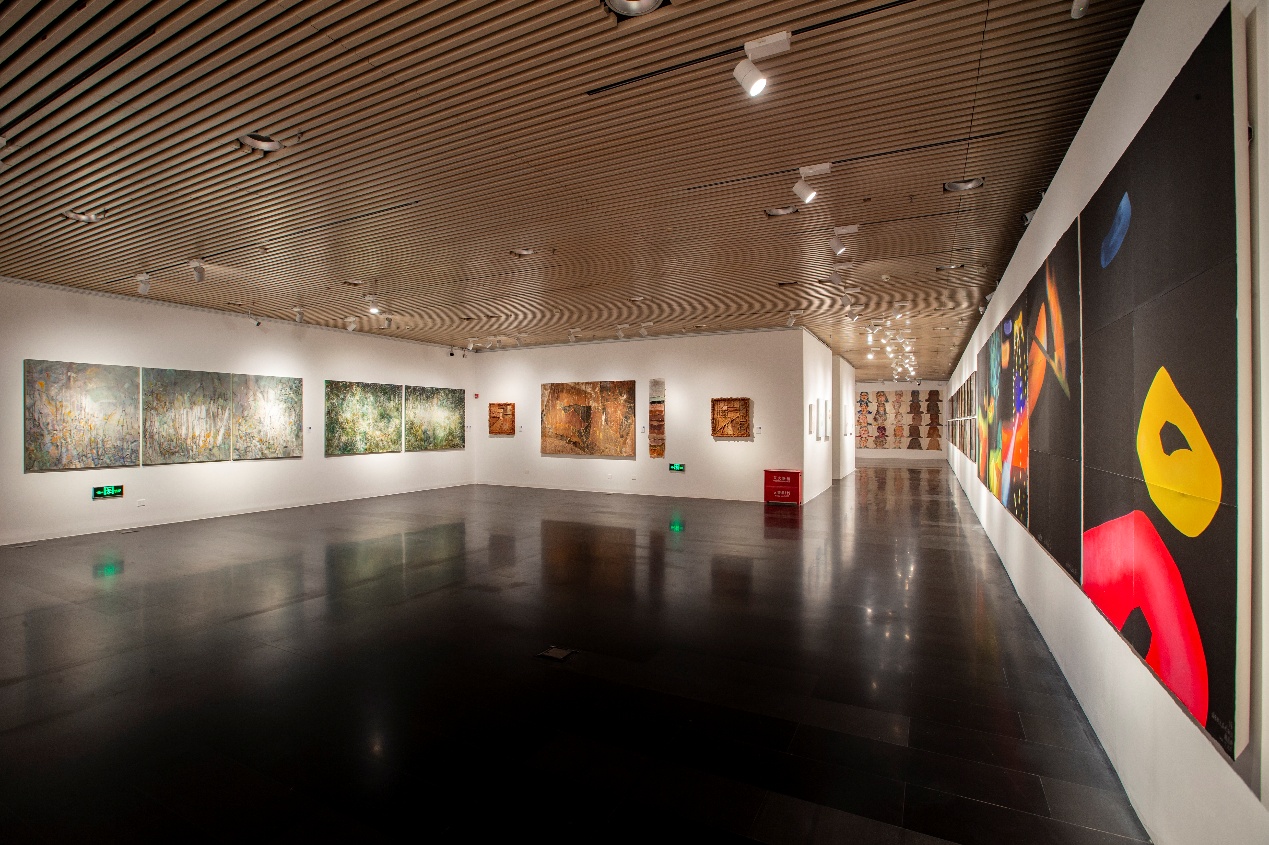
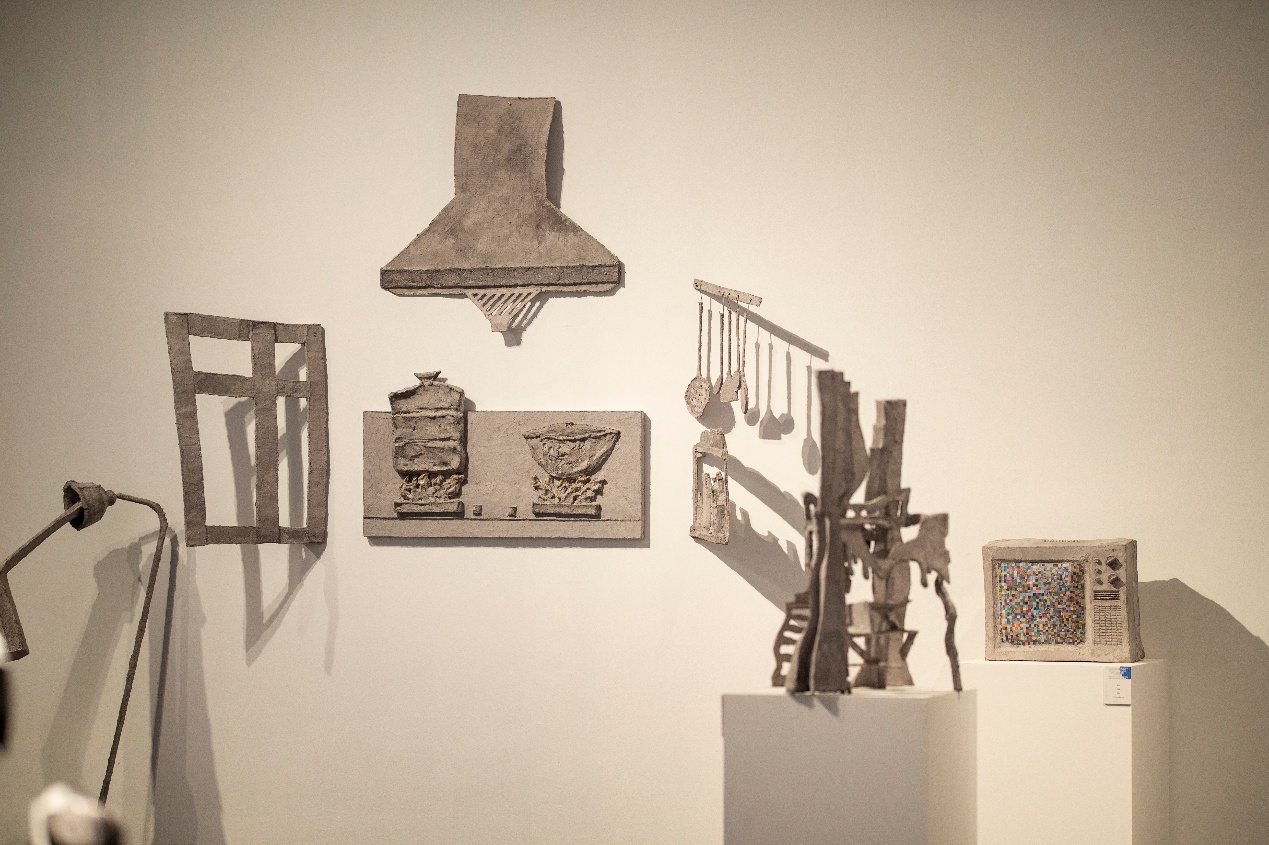
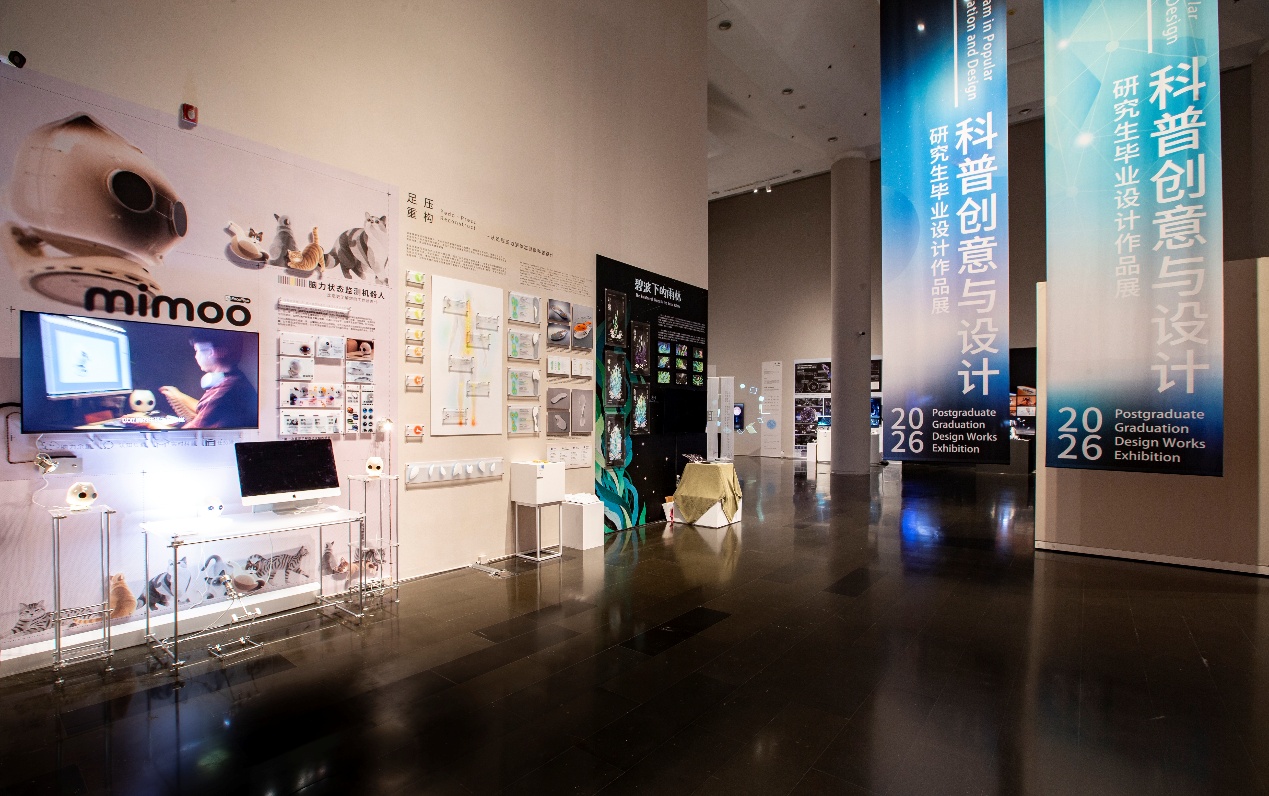
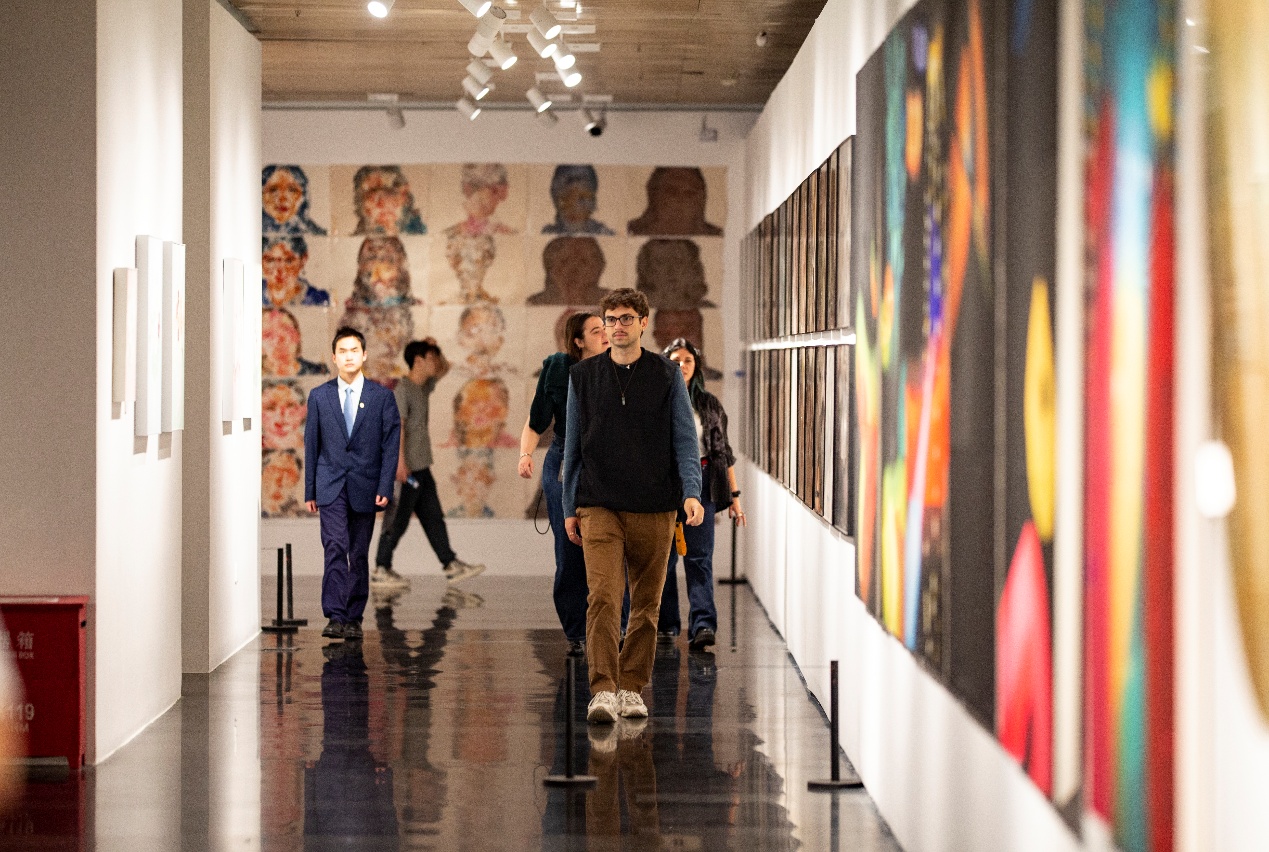
Beyond utility and tradition, the works also engage with existential inquiry, contemplations of nature, critiques of social structures, dialogues with heritage, and intimate expressions of inner experience. All converge on a shared ethos: design for livelihood, art for life, a principle upheld since the Academy’s inception, now rearticulated by this generation as:
“Root deep, grow high.”
Rooted in lived experience; growing toward warm, resilient creation.
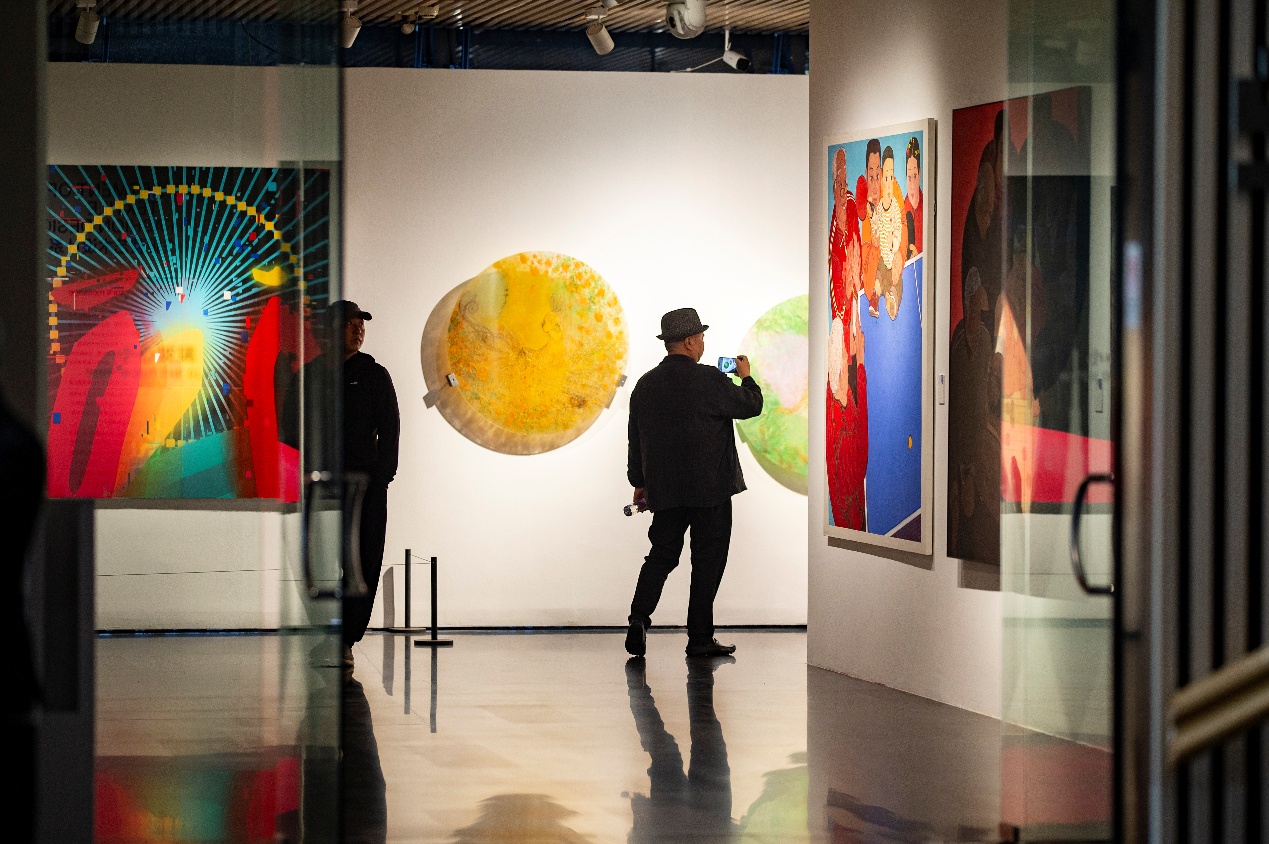
Exhibition Details – 2026 Graduation Season
Postgraduate Exhibition: May 23 – June 5, 2024
Undergraduate Exhibition: June 13 – June 25, 2024
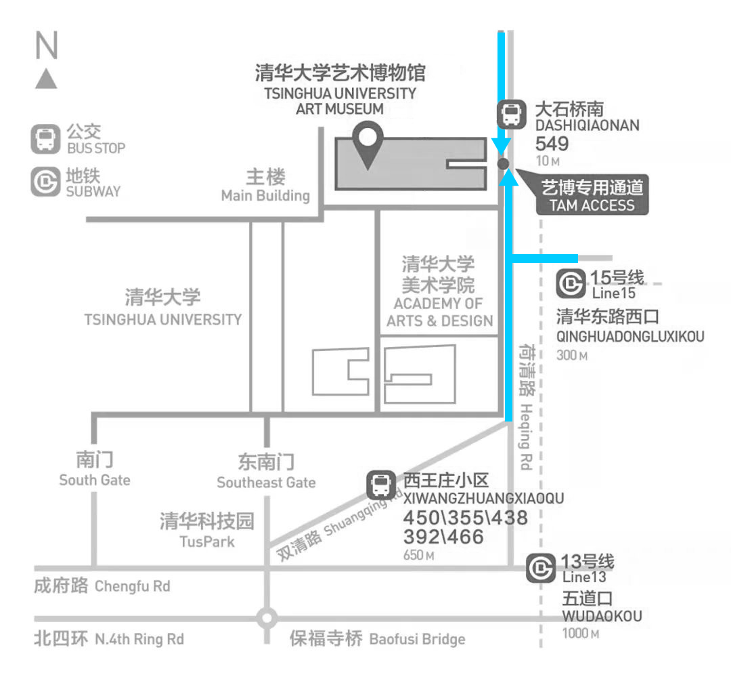
Venue: Tsinghua University Art Museum, No. 1 Tsinghua Garden, Haidian District, Beijing
Admission: Public access requires a museum admission ticket (available online at https://www.artmuseum.tsinghua.edu.cn). Note: Museum tickets do not grant campus access. Visitors wishing to tour Tsinghua University must book separately via the official “Visit Tsinghua” mini-program.
Concurrent Event: The Graduation Art Fair
A celebration of creativity and community, the Graduation Art Fair will open alongside the Undergraduate Exhibition:
Dates: June 13–14, 2024
Location: East Plaza, Tsinghua University Art Museum