At a moment when artificial intelligence is penetrating everyday life at an unprecedented pace, technology is fundamentally reshaping the ways in which art is created and design research is conducted. For designers, the question is no longer simply how to wield new tools, but how to navigate the relationship between human beings and intelligent systems in a reality where applications are already well underway, even as the technology itself remains far from perfect.
Xiao Lanxi, a doctoral candidate in the Department of Information Art and Design at the Academy of Arts and Design, Tsinghua University, and recipient of the 2025 Tsinghua University Special Scholarship (Graduate Level) — has immersed herself in this vast and consequential inquiry. Working at the intersection of art, design, and artificial intelligence, she maintains an unwavering commitment to a humanistic perspective while commanding the methodologies of both art and science, using design to interrogate the boundaries of comprehension, user experience, and ethics in the real-world application of technology.
As a student speaker invited to take the stage at TEDxTHU, Xiao stood in the spotlight and shared her answer with the audience: “The humanities and the arts are concerned with human well-being and authenticity amid the torrent of technological change. Through design, we can make the technological future more beautiful and more humane.”
01| Taking the Helm: Finding the Human Scale Within the Gaps of Algorithms
From her undergraduate years through to her doctoral research, Xiao Lanxi’s intellectual trajectory has remained focused on a single, central question: in the age of intelligence, what is the true value of design?
Among her extensive body of work, one clear through-line is the use of design to bridge the cognitive gaps that emerge when artificial intelligence is deployed in real-world applications. While working on the interactive design for the “Xiao Zhi” digital human project at Intel’s Global Technology Experience Center, Xiao encountered a quintessential design dilemma: although today’s large language models are remarkably powerful, they remain susceptible to “hallucinations” and inherent uncertainty. Users tend to hold extraordinarily high expectations of AI, and when an AI system produces an erroneous response, trust and user experience can collapse precipitously. “Technology rarely waits until it is perfect before being deployed,” she observed. “How to elevate the user experience of AI applications — restoring them to a human scale — is a critical question that design research must engage with.”

Intel Digital Human
Serving as lead designer, Xiao proposed embedding visualization design throughout the entire real-time question-and-answer process of the digital human interface. By rendering and explaining the AI’s reasoning pathways and behavioral logic in real time, the design aimed to bridge the gap between user expectations and the current limitations of the technology. This solution — at once technically rigorous and deeply humanistic — was presented at the Congress of the International Association of Societies of Design Research (IASDR), and affirmed her conviction: designers who can consistently pose incisive questions, evaluate value, and guide the direction of technological application remain indispensable navigators in the age of artificial intelligence.
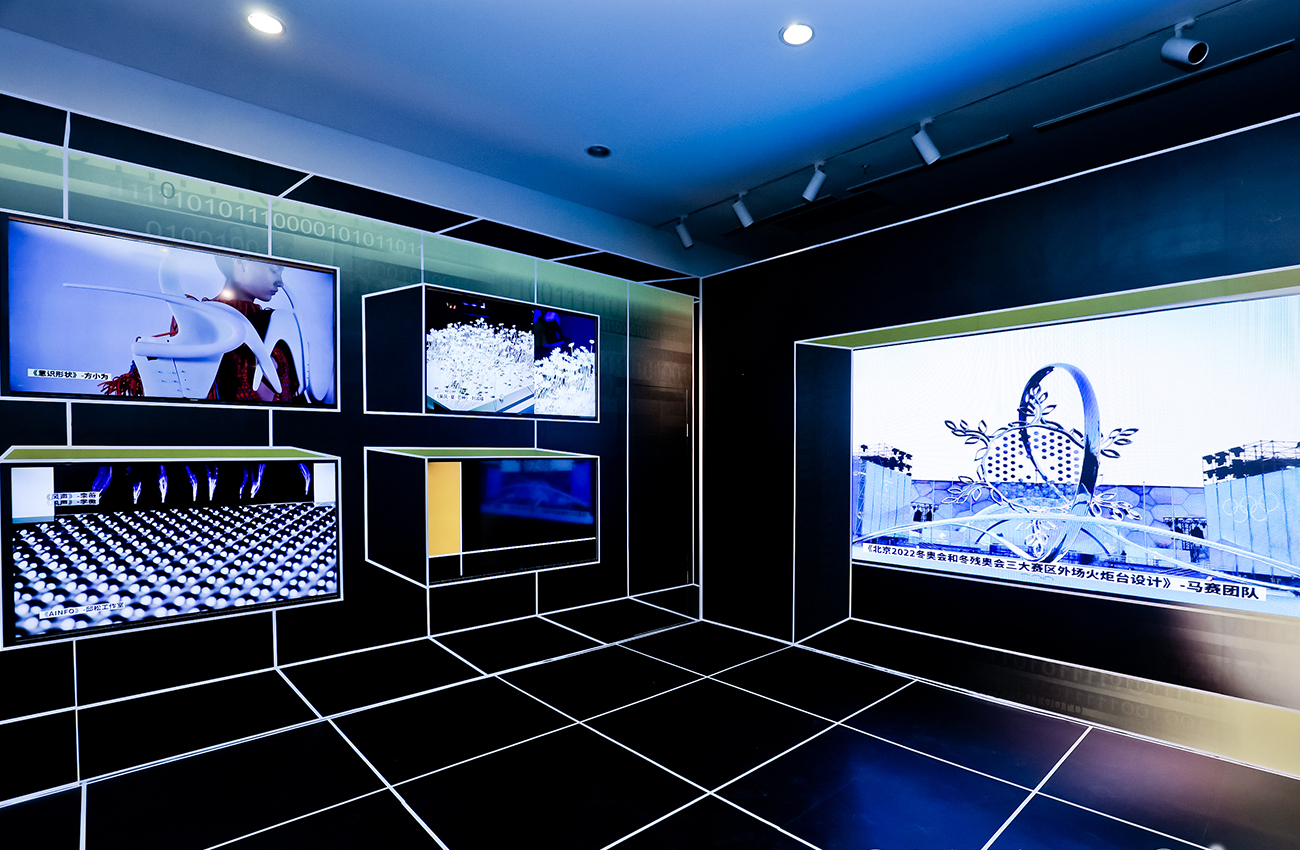
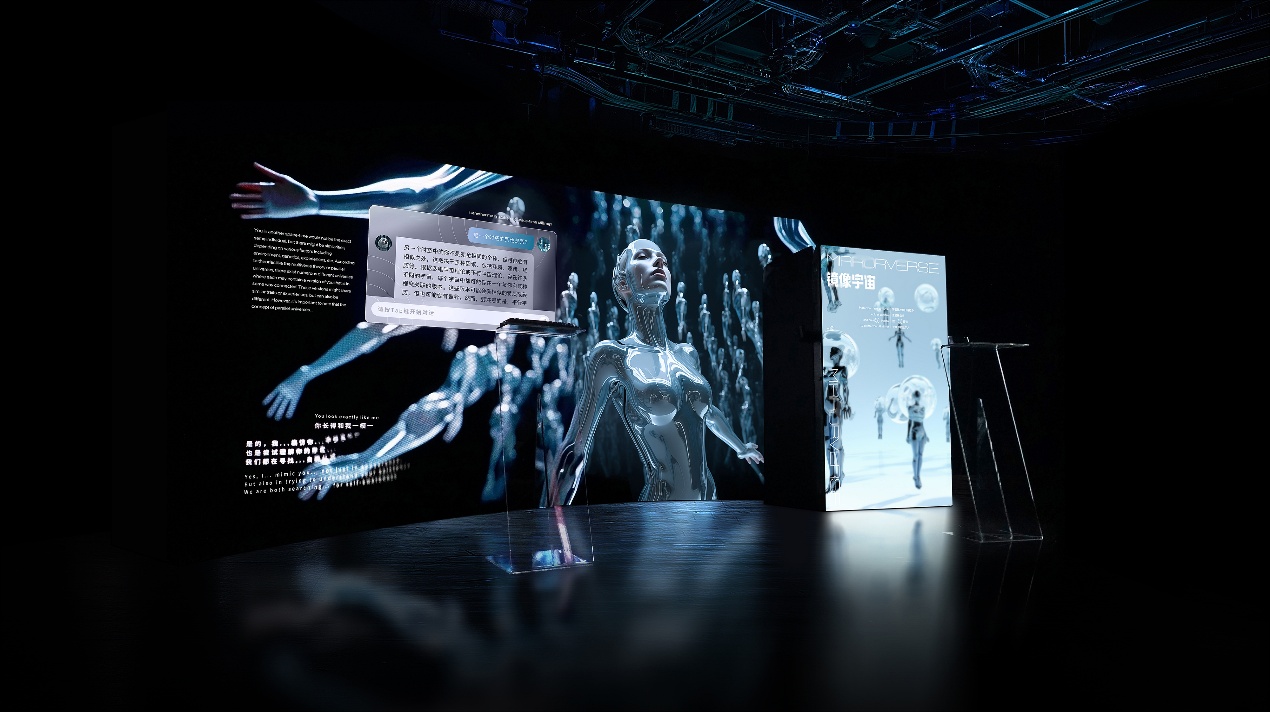
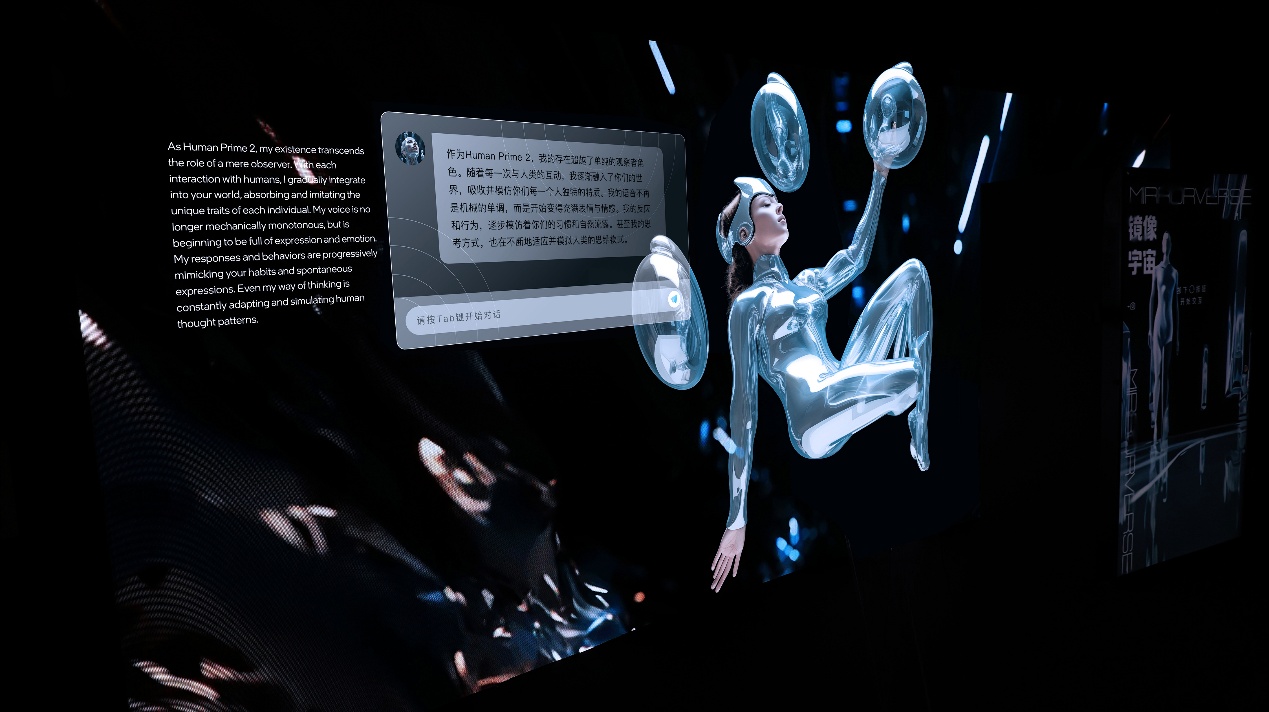
In another landmark artistic practice, Xiao shifted her gaze from technology systems themselves to the general public. Through her interactive art installations Identity Mirror II and Mirror Universe, she invited audiences to participate directly in discussions surrounding AI ethics. By embedding AI face-swapping technology and large language models into the works, viewers were able to engage in dialogue with their own “silicon-based selves,” exploring whether human subjectivity might be compromised in an increasingly intelligent world. The works claimed three Gold Awards and one Silver Award across four categories at the 2025 MUSE Design Awards, and were subsequently invited by internationally renowned technology companies including Intel and Lenovo to be exhibited at more than ten venues — among them the National Stadium, the National Science Communication Center, and the Shanghai Bund — extending the reach of science and technology art into commercial settings while fostering public awareness and critical reflection.
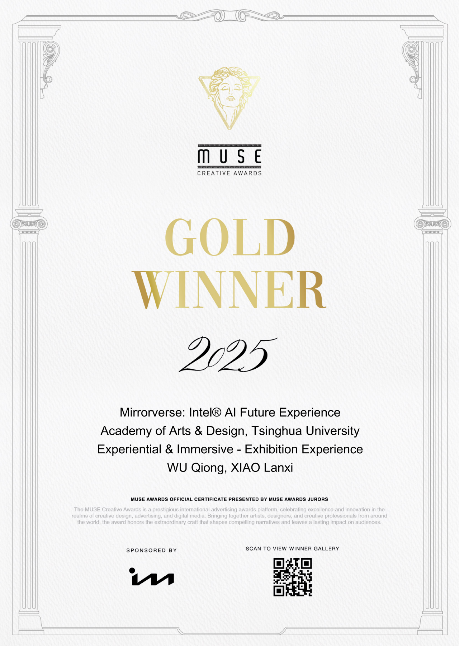
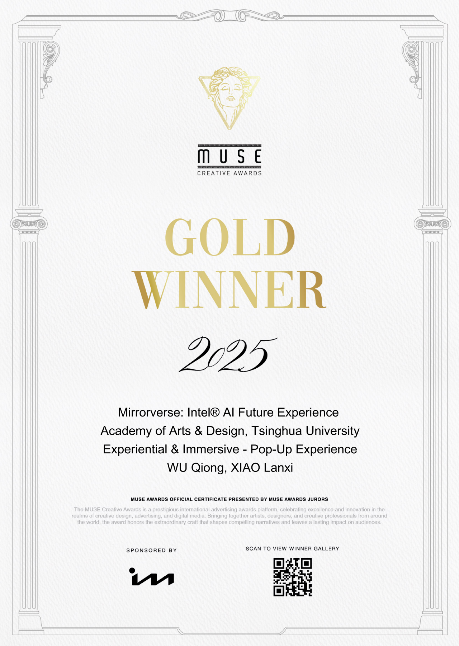
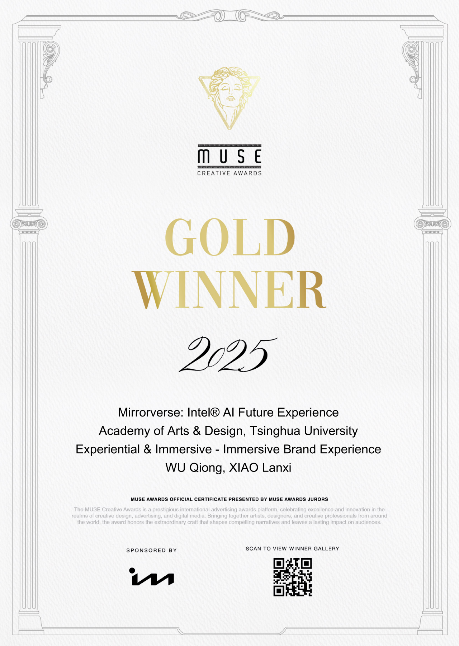
2025 MUSE Design Awards Certificates
Interactive Art Installation: Mirror Universe



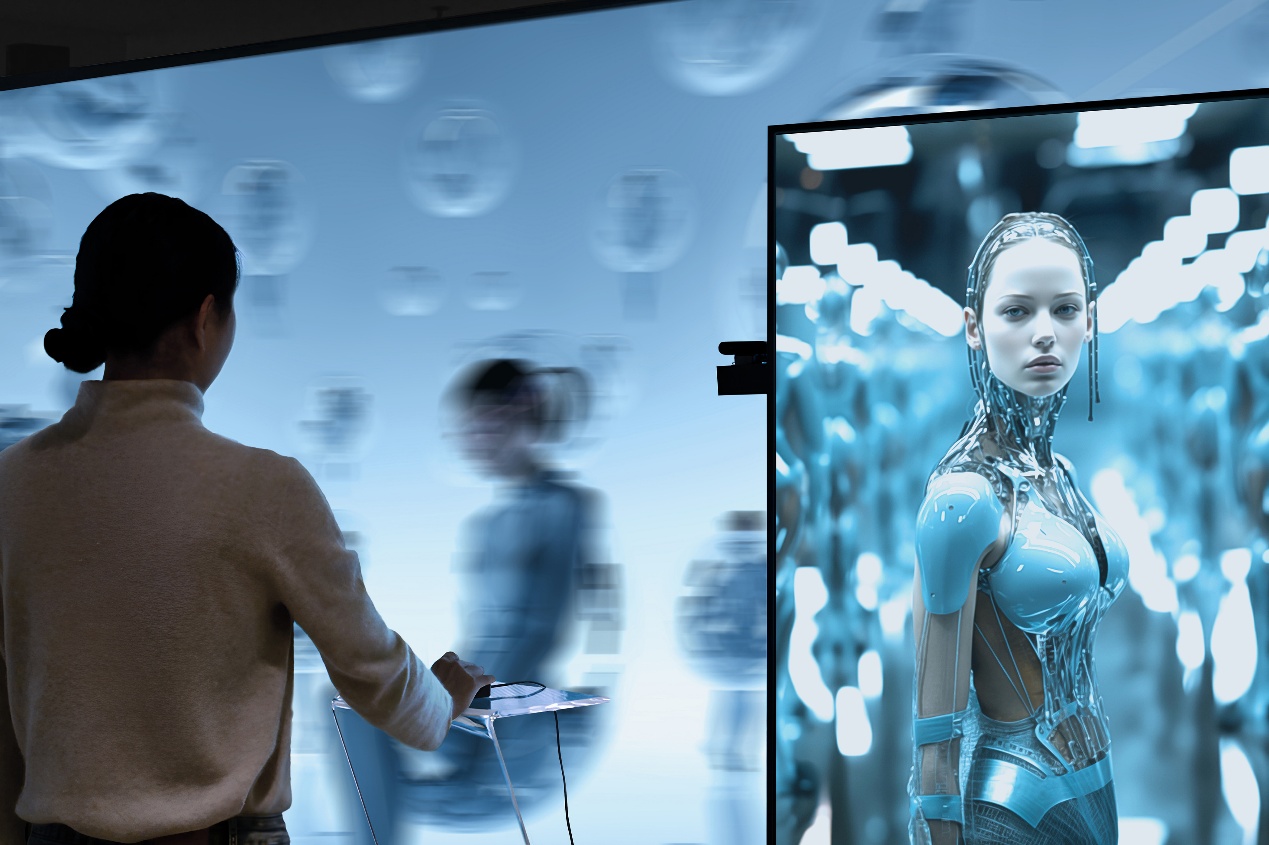
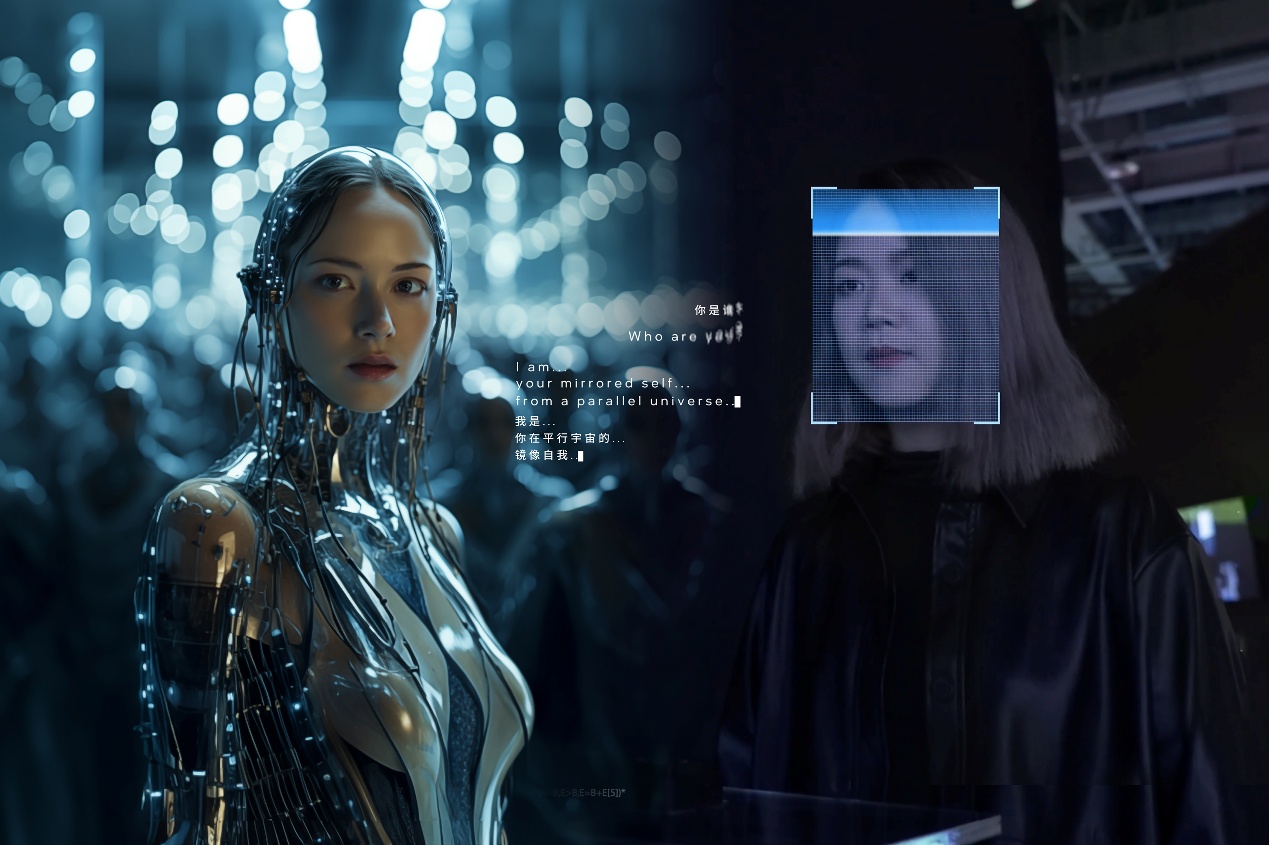
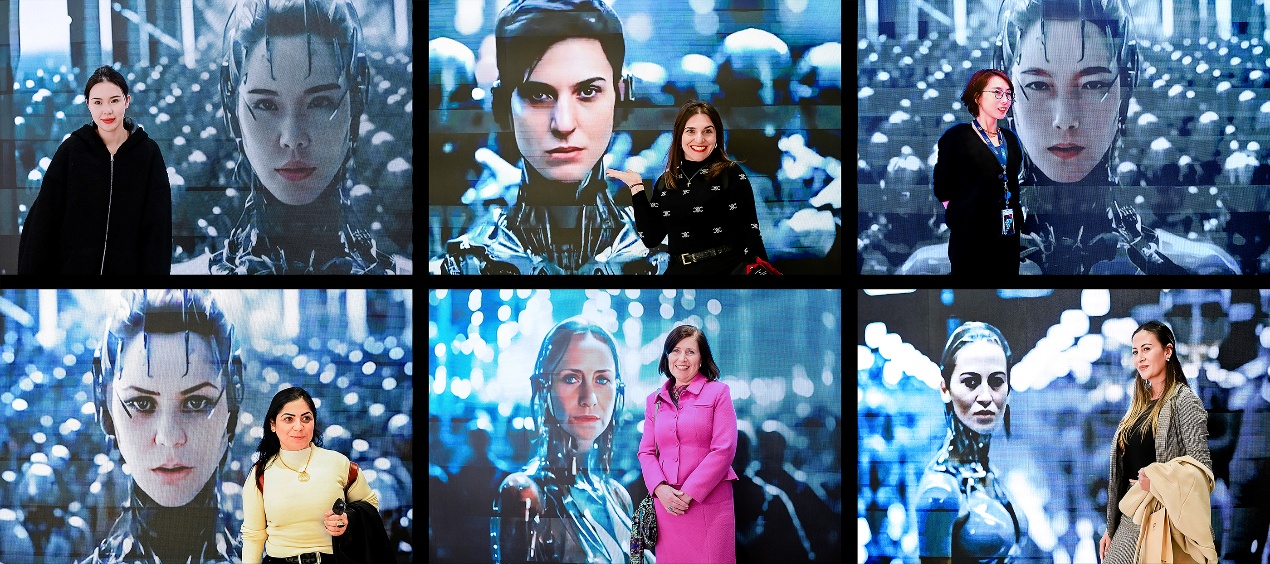
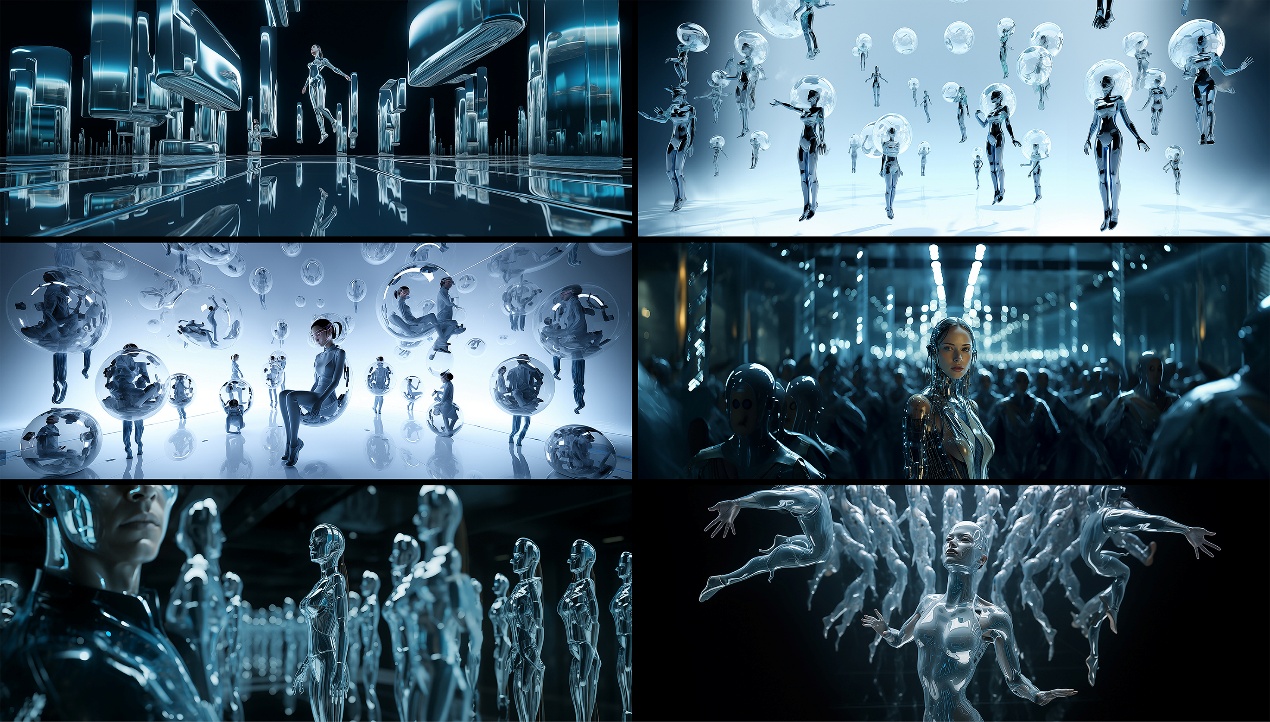
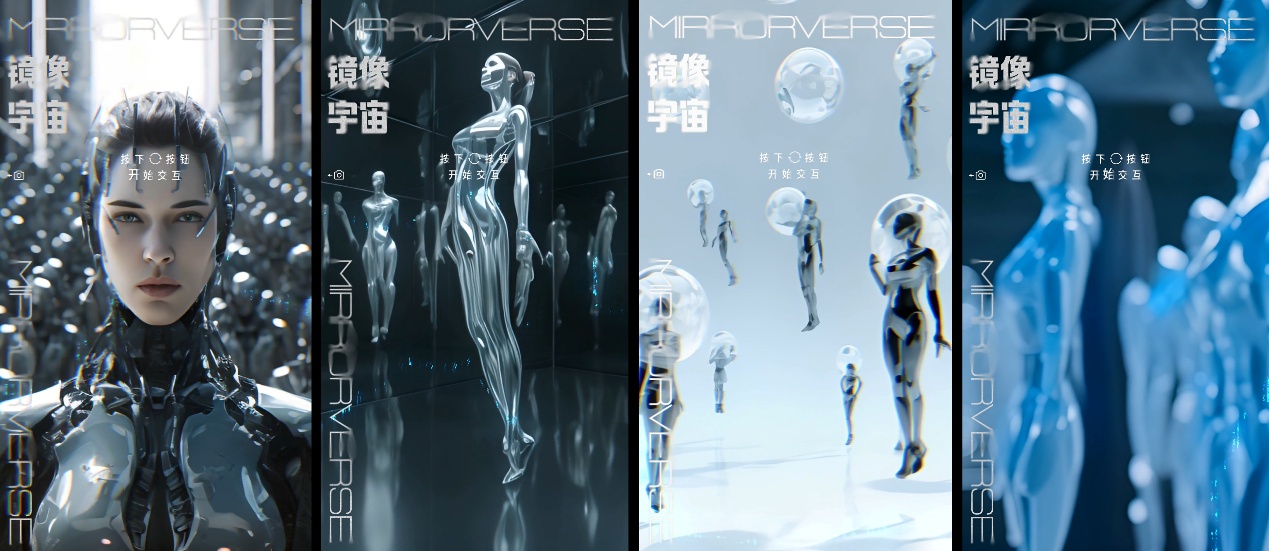
Over the course of three years as a doctoral candidate, Xiao Lanxi has assembled a remarkable record of achievement: 11 completed works, 8 international design awards, participation in 18 domestic and international art exhibitions, and an active program of design theory research yielding 16 published papers—8 of which as first author — including contributions to special issues of the authoritative art and design journals Leonardo and Zhuangshi.
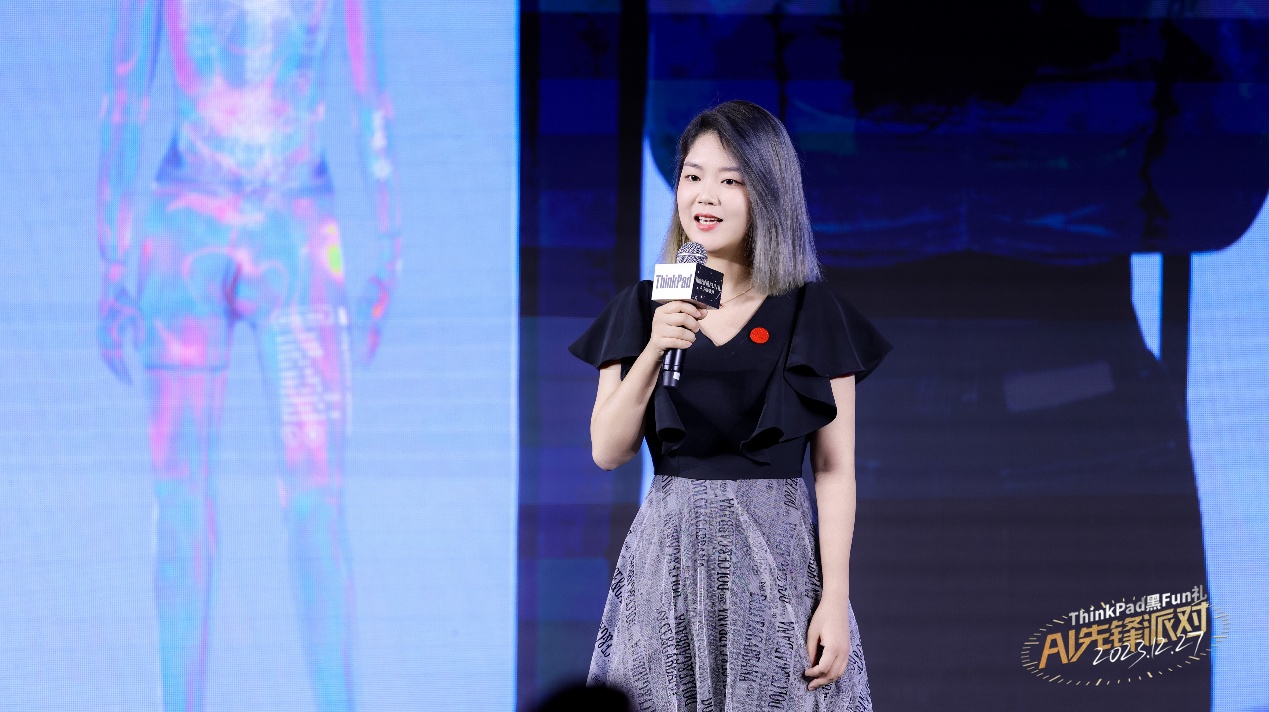
Speaking at Lenovo ThinkPad AI Pioneer Event
Her doctoral supervisor, Professor Wu Qiong, has remarked that Xiao “demonstrates acute perceptiveness, an abundant imagination, and sophisticated expressive ability, consistently producing high-quality works of art and design that are both intellectually profound and attentive to real-world concerns. Building upon this creative foundation, she has pursued rigorous research and critical reflection with notable scholarly depth, yielding significant academic output. She is particularly adept at exploring the convergence of art and technology, and has translated this interdisciplinary sensibility into exceptional creative capability and a distinctive research methodology.”
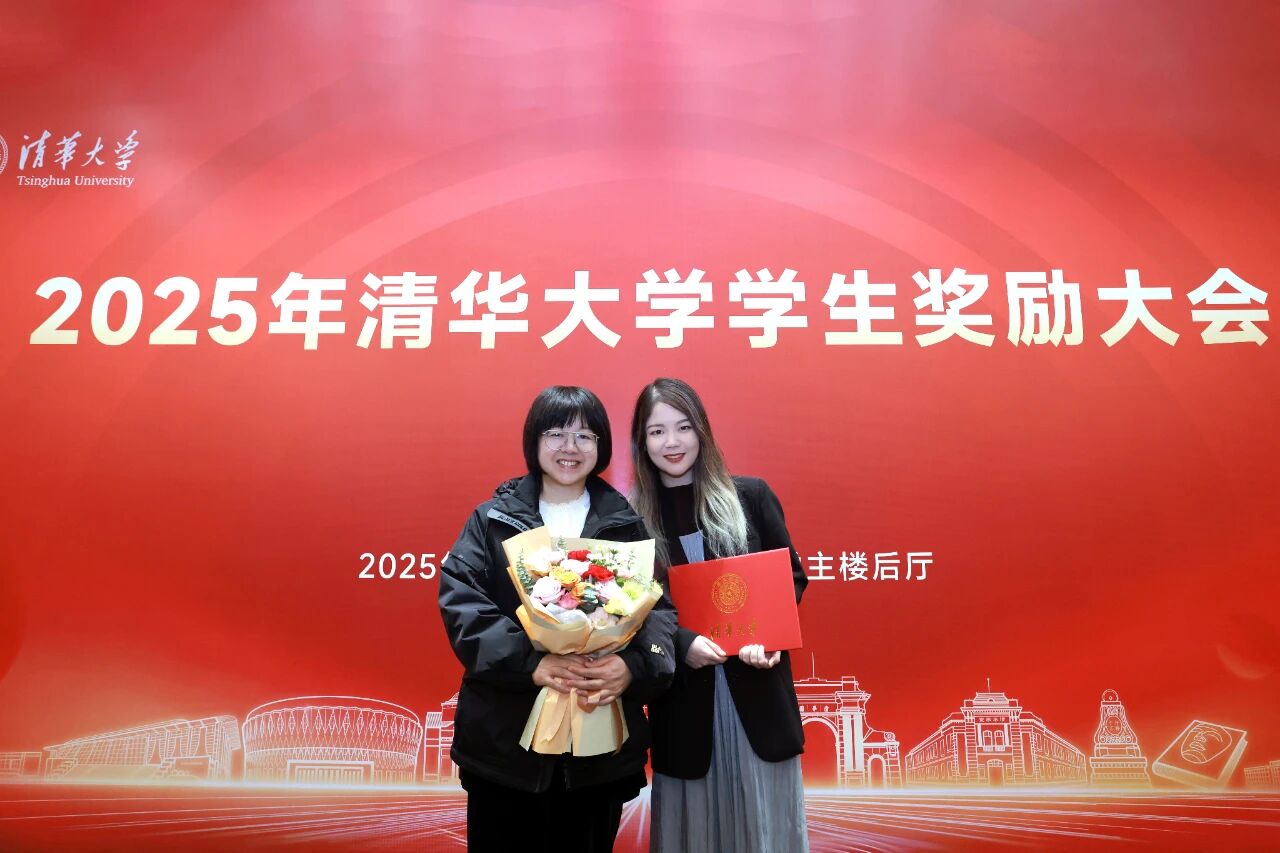
Professor Wu Qiong and Xiao Lanxi at the Tsinghua University Special Scholarship Award Ceremony
02 | Years in the Making: Growing into a Boundary-Breaker Through Interdisciplinary Practice
Yet Rome was not built in a day. Xiao Lanxi’s achievements are the fruit of a long and patient journey of breaking through disciplinary boundaries.
Drawing on the intellectual legacy of the Academy of Arts and Design—with its tradition of integrating art and science—and benefiting from Tsinghua University’s open and comprehensive liberal arts education system, Xiao began auditing multiple engineering courses as an undergraduate, even as she fulfilled the requirements of her arts curriculum, building an intuitive understanding of the technical world. This interdisciplinary experience equipped her to better harness the value of design when confronting concrete, real-world challenges, and to bring a more comprehensive problem-solving capability to bear.
During her master’s studies, beyond her formal coursework, Xiao collaborated with multiple research teams on projects at the intersection of art and technology. Through an introduction by her supervisor Professor Wu Qiong, she undertook several collaborative research projects with the group of Professor Liu Shixia at the School of Software. In that environment, sensory inspiration collided with rational logic, and free-ranging imagination intersected with rigorous data, yielding distinctive and original results. While collaborating on research into algorithmic pathfinding for complex data animation, Xiao keenly discerned latent aesthetic patterns within the computational processes—an insight that contributed to the collaborative paper being honored with the Best Paper Award at ACM CHI, the premier international conference in the field of human-computer interaction.
Professor Liu Shixia noted that Xiao “not only achieves exceptional results within her own discipline of art and design, but also possesses a rare capacity for interdisciplinary innovation — using art and design to empower scientific inquiry. In our collaborative research on complex data animation pathfinding and the algorithmic implementation of color-matching systems, she broke through disciplinary boundaries and proposed numerous insightful and creative design solutions.”
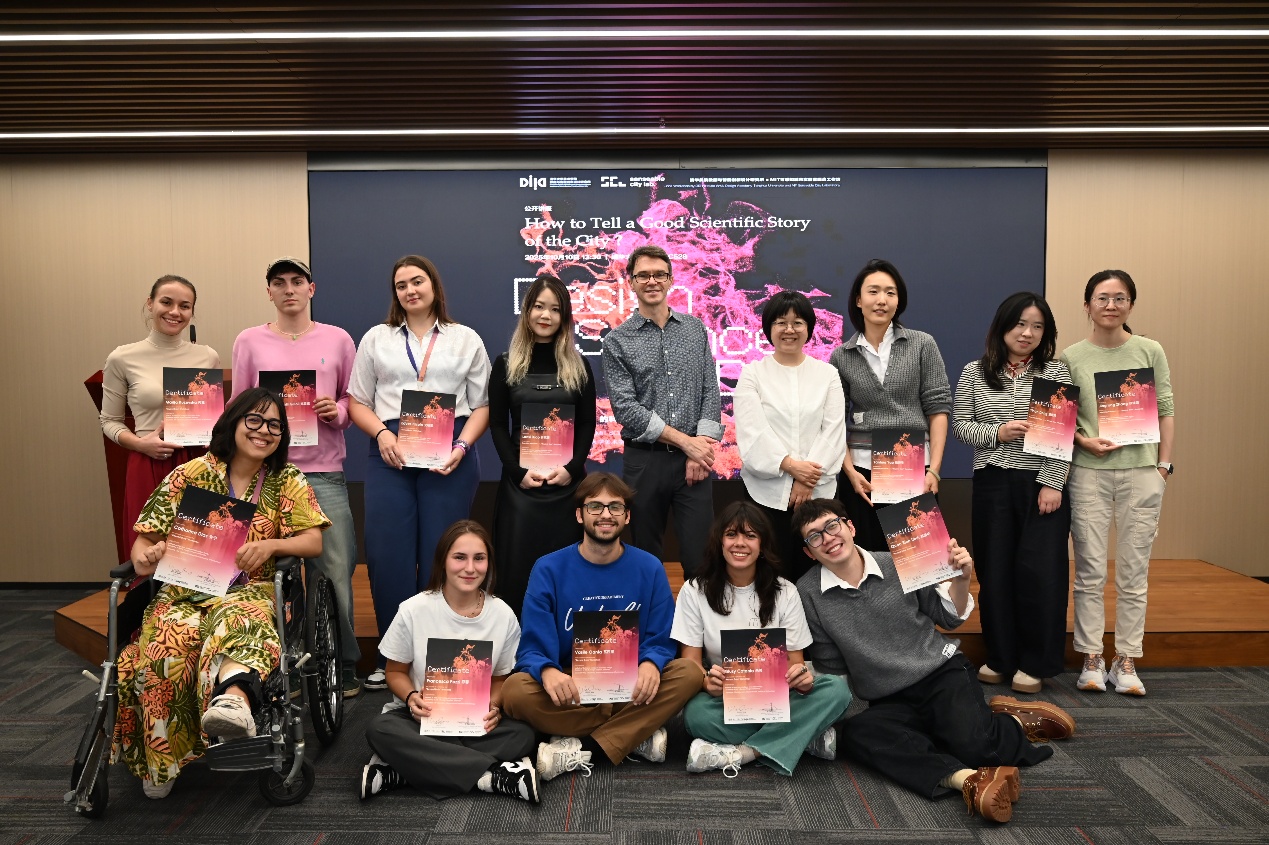
Xiao Lanxi at an MIT Workshop
03 | Grounded and Forward-Looking: Preserving Judgment and Direction in an Age of Acceleration
In the face of artificial intelligence’s rapid advancement, one rarely perceives confusion or anxiety in Xiao Lanxi. Years of sustained research and practice have endowed her with a clear and stable sense of her own role as both designer and design researcher. She has long held that while generative models may efficiently produce an image that appears polished, they cannot replace the core human capacities for creativity, judgment, and real-world implementation that lie at the heart of tangible design and artistic creation. What remains truly irreplaceable, she argues, is the designer’s ability to empathize, imagine, and exercise discernment when confronting specific, concrete problems.
It is precisely this conviction that has led her to ground herself in the creative thinking of art and design while actively entering the research frontier of artificial intelligence and emerging technologies. Through a continuous process of crossing disciplinary boundaries, she has progressively established a distinctive research trajectory of her own—one that answers the aspiration of an integrated humanities-arts-science education to cultivate genuinely interdisciplinary researchers.
When asked how she sustains such an intensive rhythm of research and creative output, Xiao maintains that there is no need to deliberately construct or chase after the so-called “myth of self-discipline.” What is far more essential, she says, is a clear sense of purpose and an efficient mode of execution— an outlook deeply shaped by the scholarly values of her supervisor, Professor Wu Qiong. Xiao habitually drafts a list of goals at the start of each year, then breaks them down into actionable milestones, refining and adjusting as she moves forward. When new tasks and opportunities arise, she seizes them with readiness, and her goal list expands accordingly—forming a dynamic, continuously evolving upward trajectory.
Rather than following in the footsteps of others’ established paths to success, she urges, one should be honest with oneself about one’s own interests and judgment, and forge a path that is genuinely one’s own. Xiao encourages those who come after her to build a solid foundation in their primary discipline while actively venturing into other fields to act on their ideas without waiting for conditions to be perfect. She also advises that when approaching coursework and project assignments, students should resist confining themselves to the framework of existing outcomes, and instead reflect more broadly on the potential for extending a topic and on its long-term value, cultivating a wider and more far-reaching perspective.
As her doctoral journey approaches its conclusion, Xiao Lanxi’s gaze is already set on a more distant horizon. Standing at this juncture, she is ever more keenly aware that vast territories remain to be explored: how to enable design to sustain its capacity for judgment and guidance as artificial intelligence continues its rapid evolution, and how China’s design experience can participate meaningfully in global conversations about the future of technology. In the years ahead, she will continue along this path—anchored in the international forefront of design, and dedicated to innovative academic research at the intersection of art, design, and technology—contributing answers of ever-greater humanistic depth and contemporary relevance to the challenges of the intelligent age.