On March 31, 2026, the “Claudio Rocca: Memory and Interaction between Arts and Urban Space” lecture, hosted by Academy of Arts & Design, Tsinghua University (AADTHU), was held at Lecture Hall C528 of the Academy. Concurrently, an appointment ceremony was held to formally appoint Professor Claudio Rocca, Tenured Professor and former Rector of the Accademia di Belle Arti di Firenze (Florence Academy of Fine Arts), as Distinguished Visiting Professor at Tsinghua University.
Appointment Ceremony
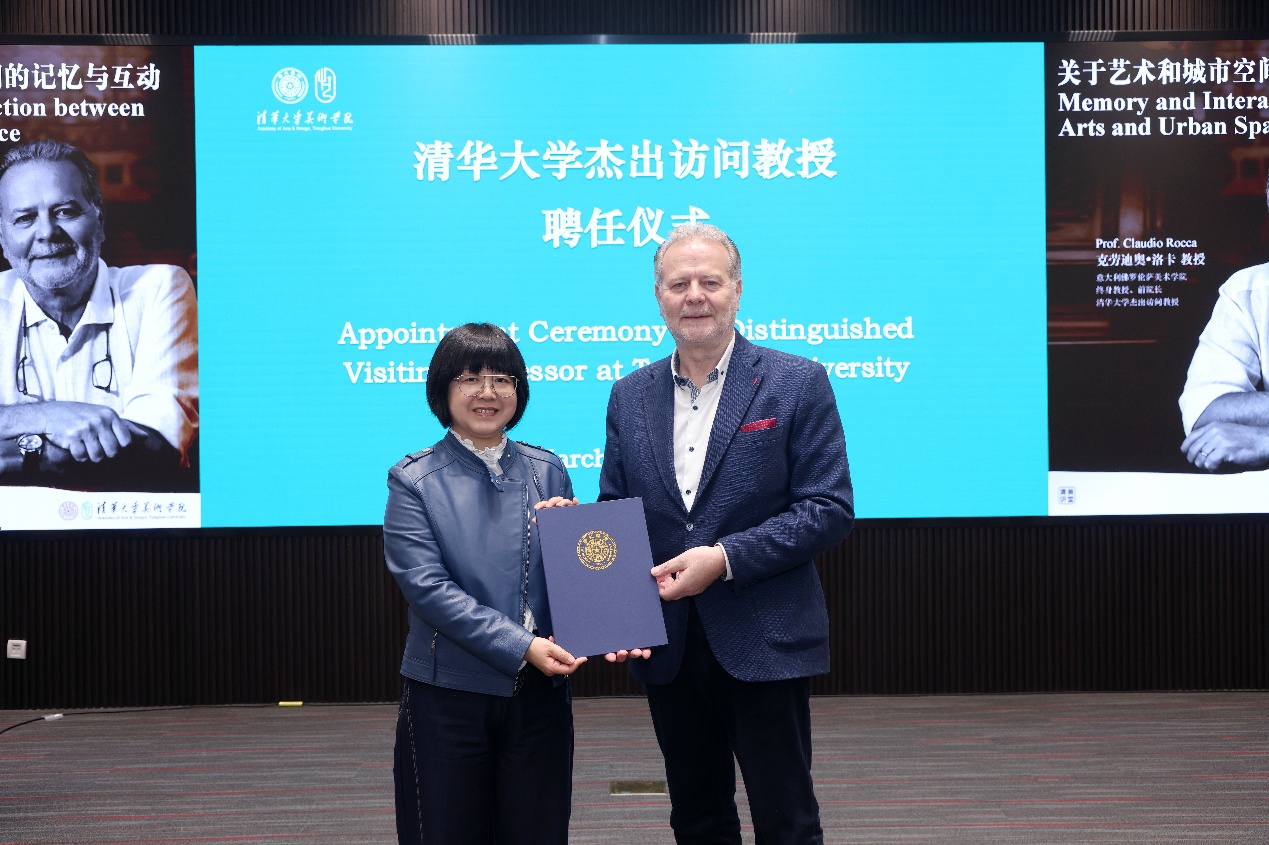
Scene of the Appointment Ceremony
Wu Qiong presented Professor Rocca with the appointment letter of Tsinghua University Distinguished Visiting Professor and delivered a speech. Wu emphasized that the Accademia di Belle Arti di Firenze, as the first institutionalized and standardized art academy in Western art history, embodies the humanistic spirit and artistic traditions of the Renaissance and stands as a global benchmark in fine arts education. Noting Professor Rocca’s remarkable achievements in ancient architecture restoration, cultural heritage preservation, environmental art, and museum studies, Wu stated that his joining AADTHU would significantly advance the academy’s disciplinary development, talent cultivation, and international collaboration. It would also deepen academic exchanges between AADTHU and the Florence Academy of Fine Arts, fostering China-Italy cultural and artistic dialogue.
In his response, Professor Rocca expressed sincere gratitude for Tsinghua University’s trust and invitation. He highlighted that both China and Italy are rich in world cultural and artistic heritage, adding that he looks forward to sharing cutting-edge research on museum development, transformation, and spatial studies at Tsinghua, and collaborating with faculty and students to explore frontiers in art, urban space, and cultural heritage.
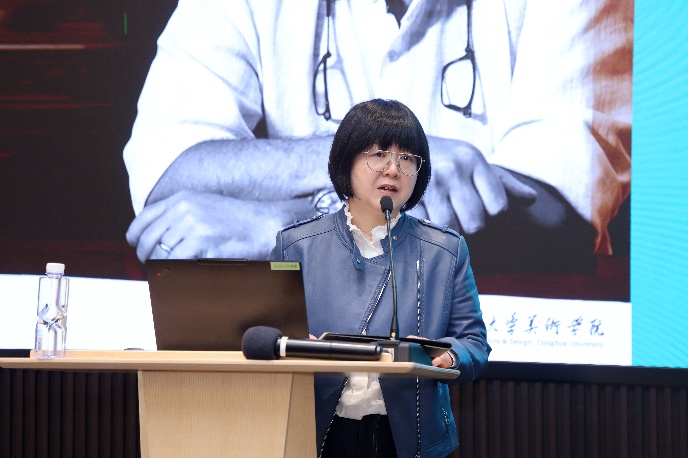
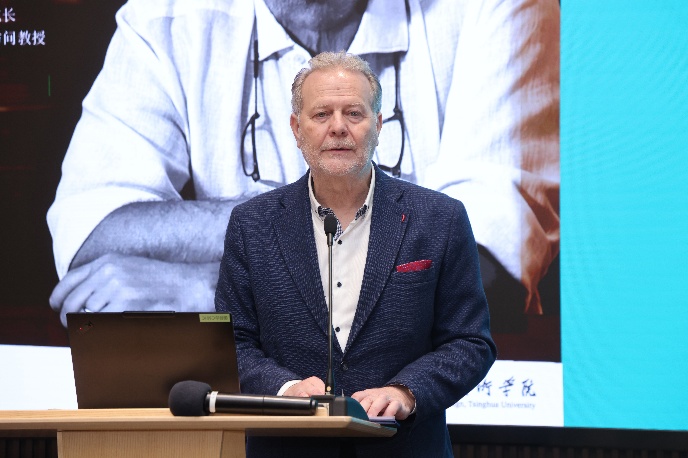
Wu Qiong (L) and Claudio Rocca (R) deliver speeches.
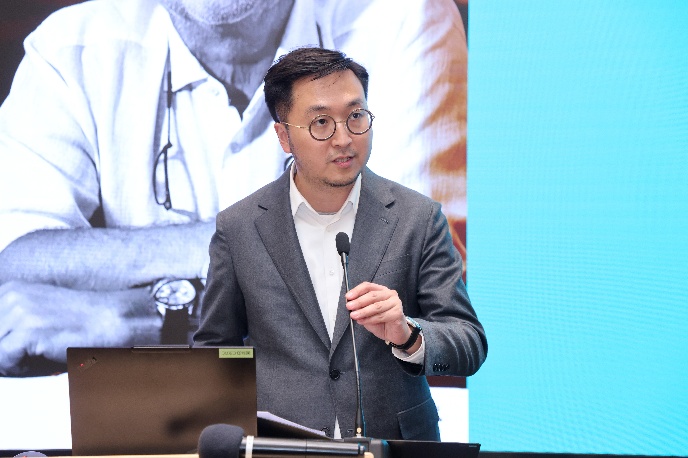
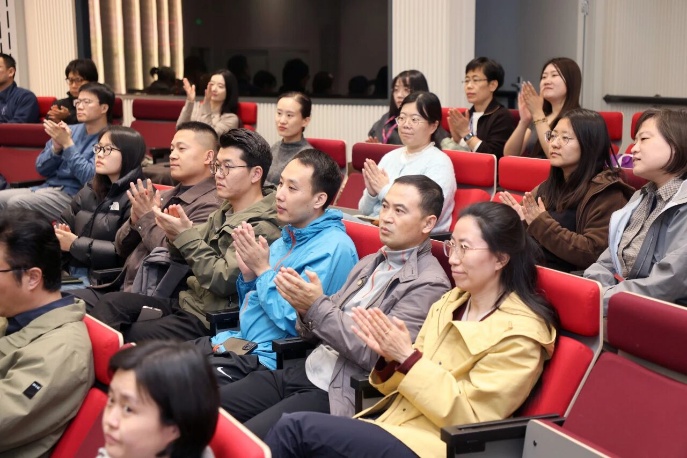
Shi Danqing (L) moderating; scene of the ceremony (R)
Academic Lecture
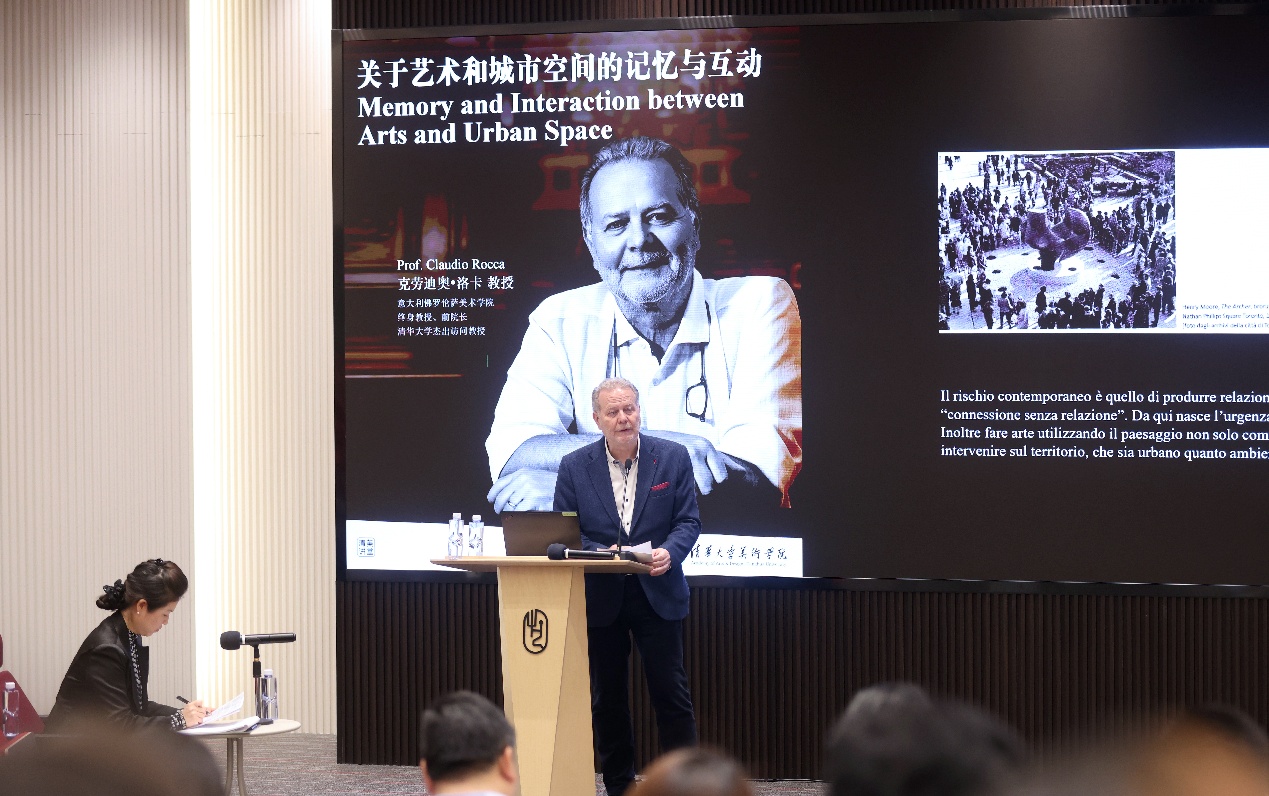
Professor Claudio Rocca lecturing.
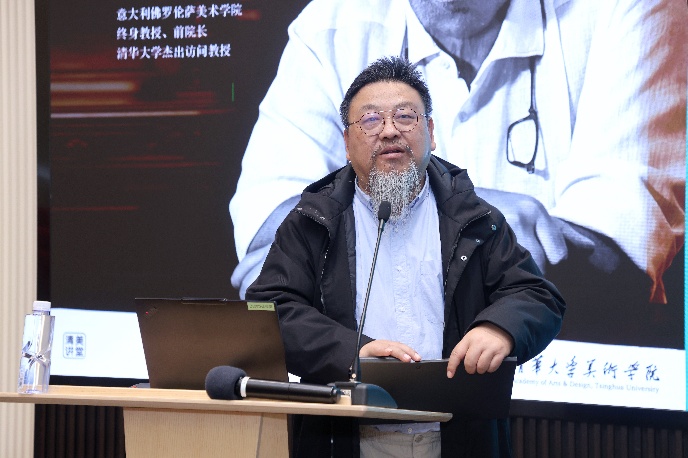
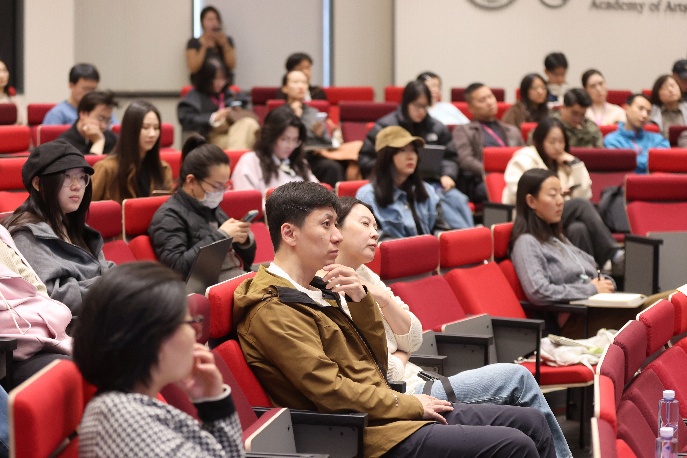
Fang Xiaofeng (L) moderating; the academic lecture scene (R).
Following the ceremony, the academic lecture was moderated by Professor Fang Xiaofeng. Entitled “Memory and Interaction between Arts and Urban Space,” Professor Rocca systematically reflected on the profound relationship between art and urban space, offering a comprehensive overview of its historical evolution and contemporary significance through the lenses of memory and interaction.
Beginning with Mannerist gardens such as Villa di Pratolino (late 16th century) and Bomarzo Sacro Bosco, Professor Rocca noted that these immersive, narrative landscapes anticipated the core concepts of contemporary environmental art, marking a shift from rational geometric order to a complex system integrating nature, architecture, and art. He then analyzed the modernist notion of artworks as “fully autonomous, independent entities,” contrasting it with the contemporary shift toward art “transcending autonomy and returning to the field,” thus clearly mapping the evolving trajectory of art-space relations.
A central focus of Professor Rocca’s lecture was the theory of genius loci, emphasizing that every site possesses a unique identity. Contemporary artistic creation, he argued, should strike a balance between autonomous expression and contextual relevance, enabling art to reveal the deep structures of space and activate site memory. Drawing on 20th-century avant-garde practices such as Land Art, Site-Specific Art, and Environmental Art, he proposed that traditional enclosed museums are evolving into diffuse, relational, and open cultural systems. “Museumization in situ” has emerged as a vital approach to cultural heritage preservation and activation, where art is no longer merely placed in space but becomes an integral, immovable component of the site itself.
Professor Rocca further posited that the core value of contemporary urban art lies in its critical and processual nature: Artistic intervention should not serve as mere decoration or isolated objects but act as an “interpretive device,” rendering visible the historical layers, social tensions, and invisible memories of cities. Artworks, he suggested, are more akin to “events”—temporary interventions that leave lasting perceptual traces, connecting past and present, individual and collective.
Illustrating his points, Professor Rocca analyzed the Benjamin Memorial Installation on the France-Spain border as a paradigmatic case, demonstrating how art, through archaeological and symbolic intervention, awakens urban historical memory, transforming space into an experiential, contemplative, and critical public arena. Such sites, he argued, elevate geographical nodes into centers of meaning interwoven with history, philosophy, and bodily experience.
During the interactive Q&A, Professor Rocca drew on his experience in mural restoration and interdisciplinary research at the intersection of architecture and art to address questions on shifts in art history methodologies, the influence of cultural relic restoration on contemporary creation, and strategies for enlivening urban public spaces. He encouraged young scholars to transcend disciplinary boundaries, adopt a holistic perspective on art, balance tradition and innovation, and use design and creativity to invigorate urban public life.