“Glasstress: The Modern Art Revolution in Venice”
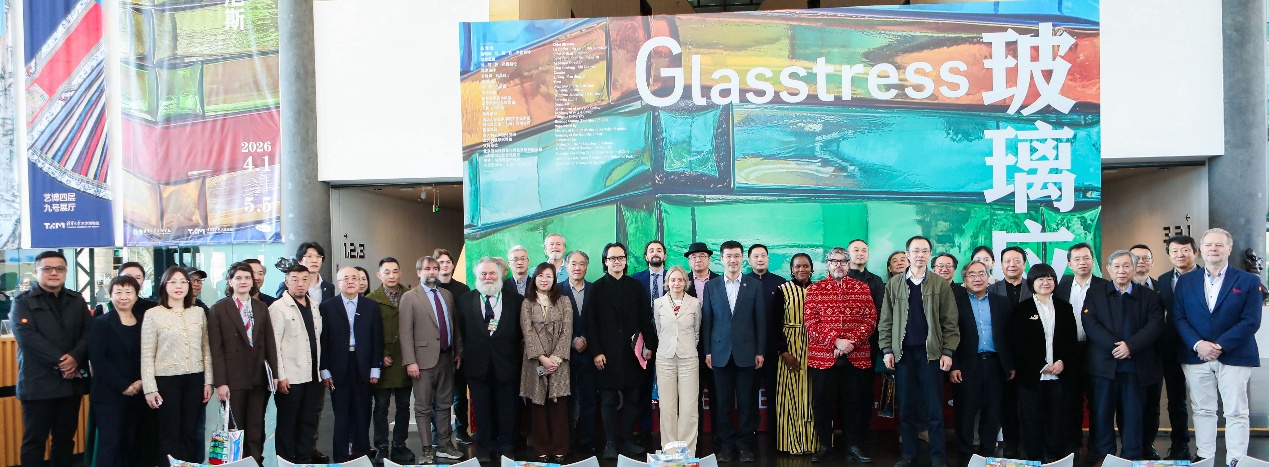
On April 1st, the exhibition “Glasstress: The Modern Art Revolution in Venice” opened at the Tsinghua University Art Museum. Jointly organized by the Academy of Arts & Design, Tsinghua University, the Tsinghua University Art Museum, and Berengo Studio, the inauguration ceremony was attended by Guo Yong, Deputy Secretary of the Party Committee of Tsinghua University, and H.E. Cristina Carenza, Deputy Head of Mission and Minister Plenipotentiary of the Embassy of Italy in China, among other distinguished guests, who delivered opening remarks.
Opening Ceremony Scene
Rooted in Venice's craft traditions and conceptual innovations, the “Glasstress” exhibition has gradually evolved over more than a decade into a major international platform at the intersection of glass and art. This iteration showcases over 60 works, divided into four thematic sections: “The Language of Matter,” “The Unfamiliar Everyday,” “Narratives of Identity,” and “The Rebirth of the Past.” From material perception to quotidian experience, and from subjective expression to historical transformation, the exhibition presents the multifaceted possibilities of glass within the contemporary artistic context, offering viewers a new perspective to understand the glass medium and appreciate modern art. The exhibition will run until May 5th.
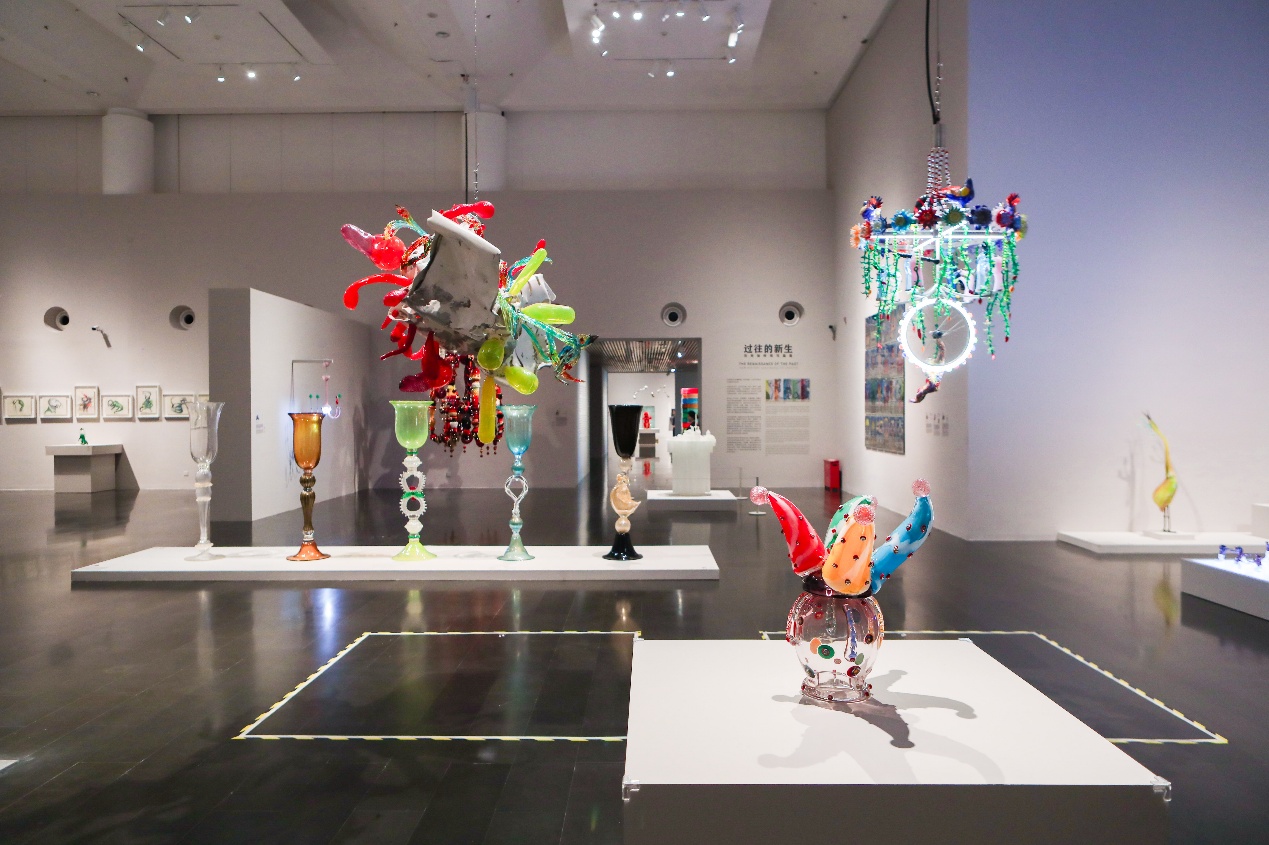
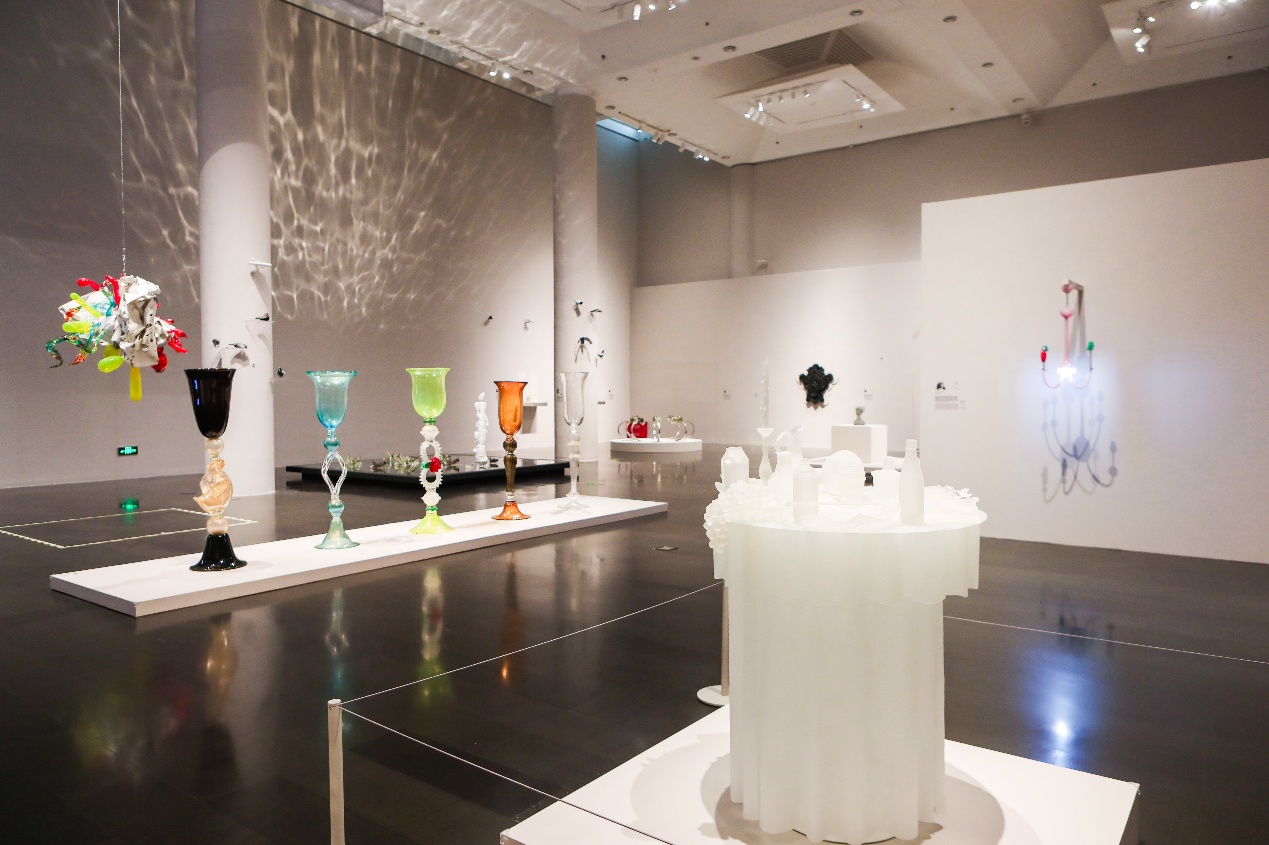
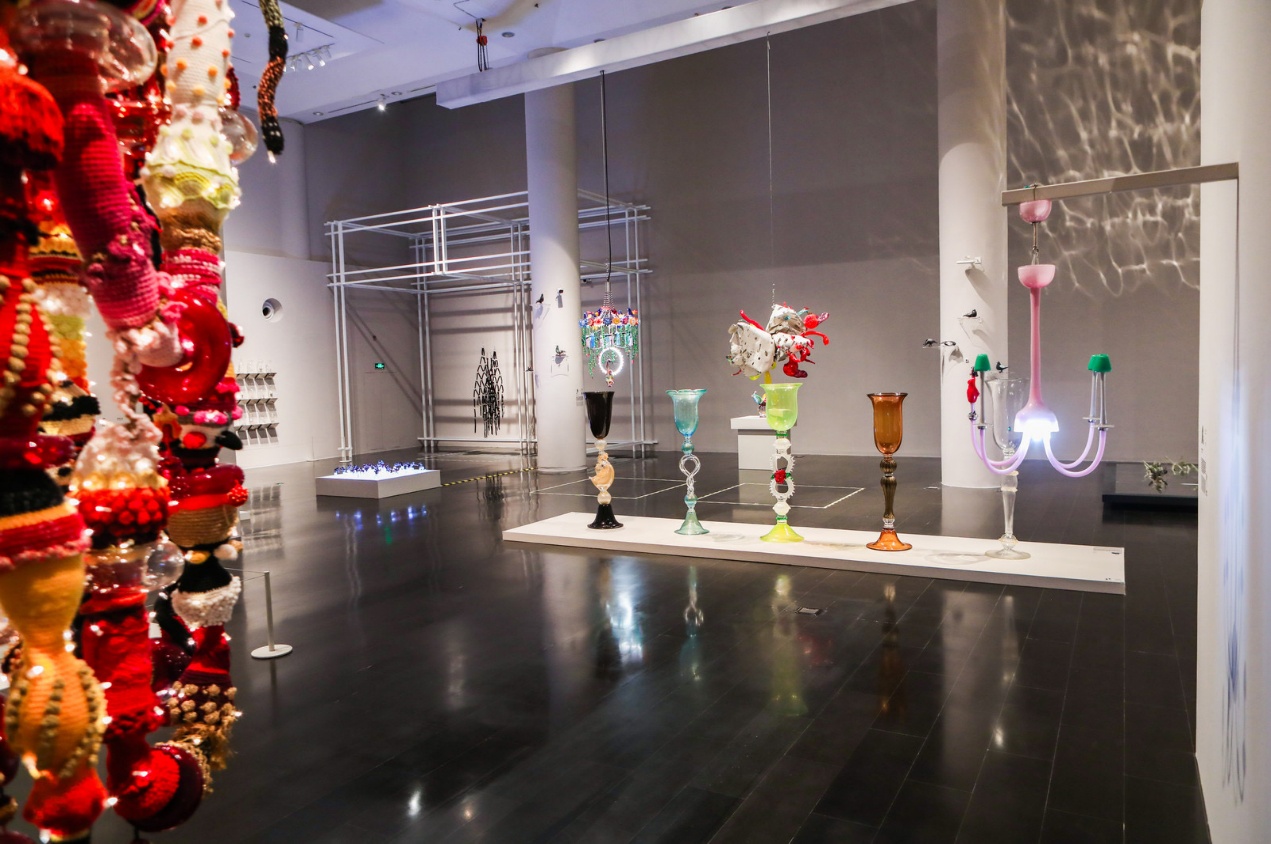
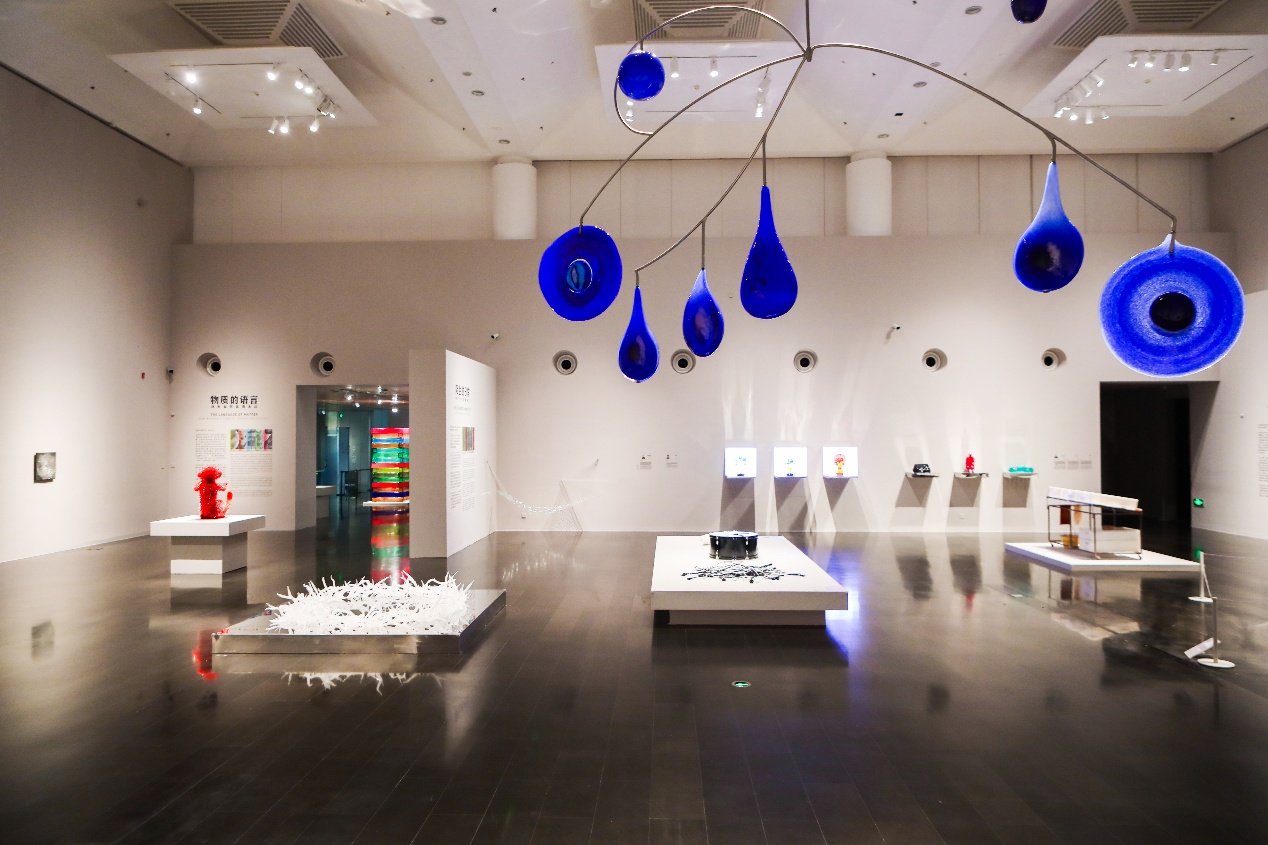
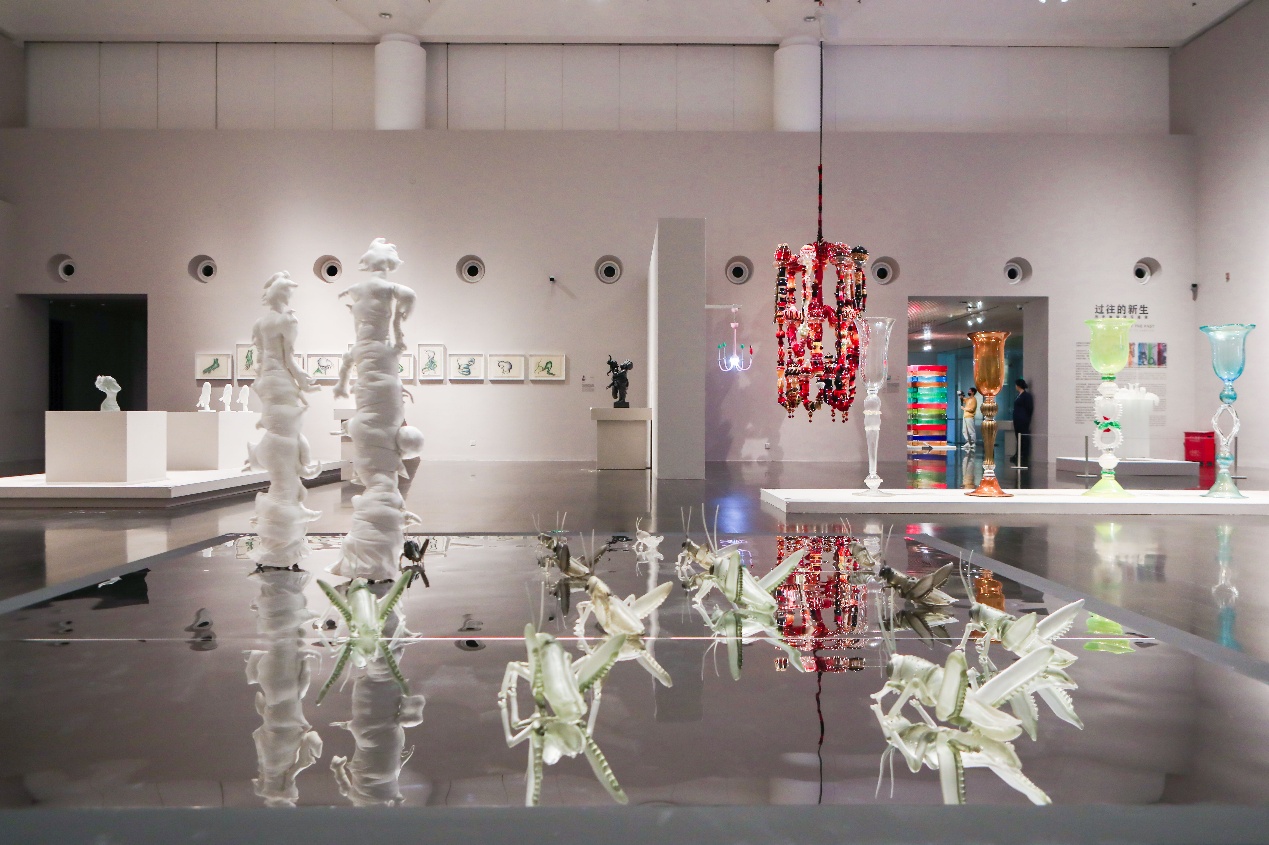
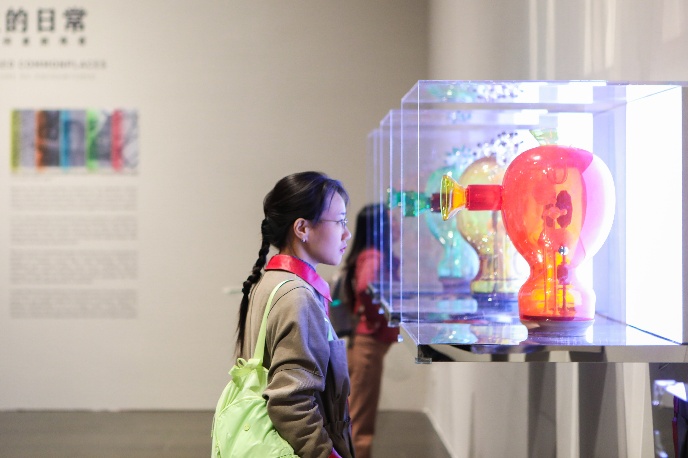
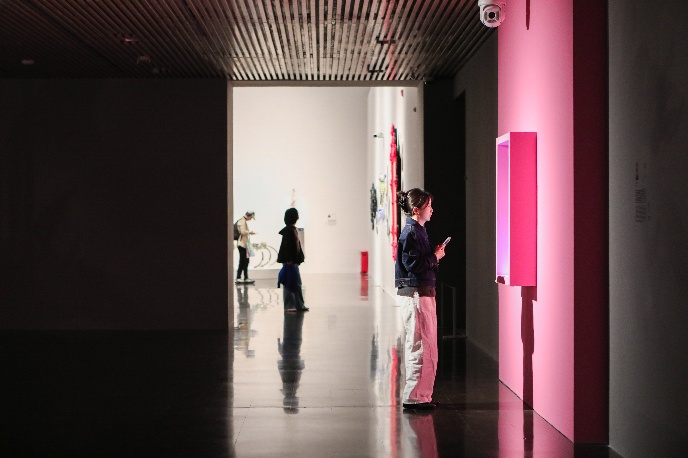
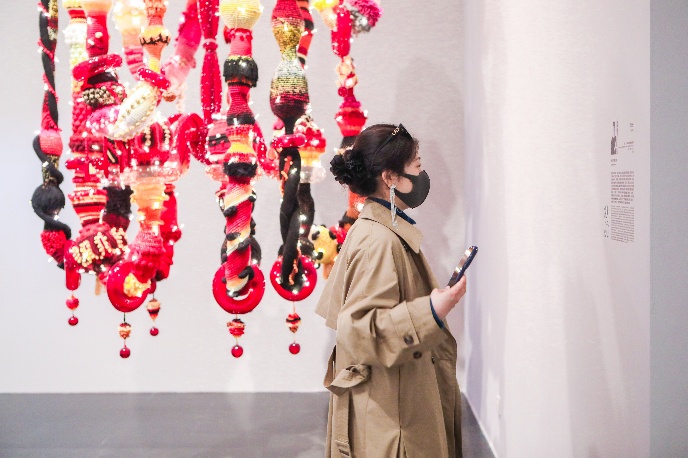
Exhibition Scene
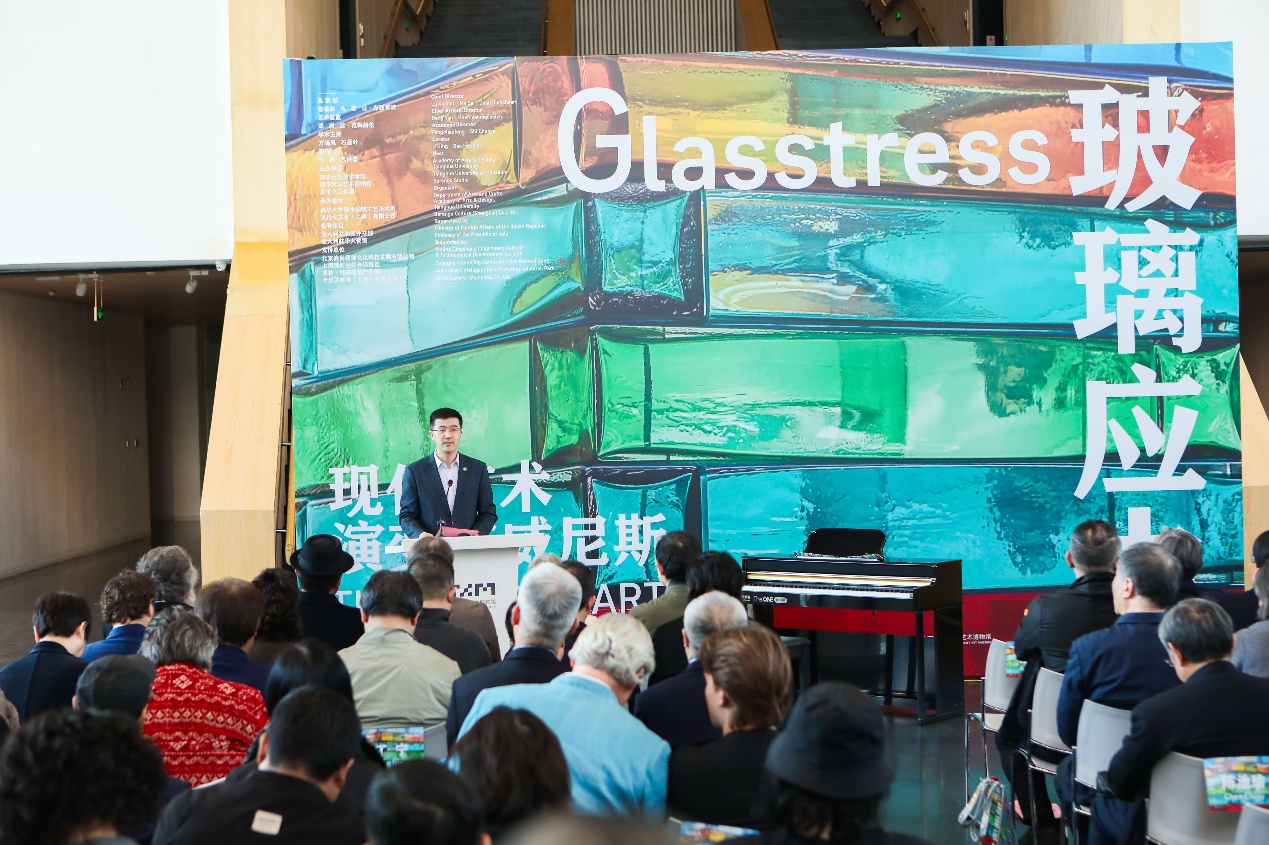
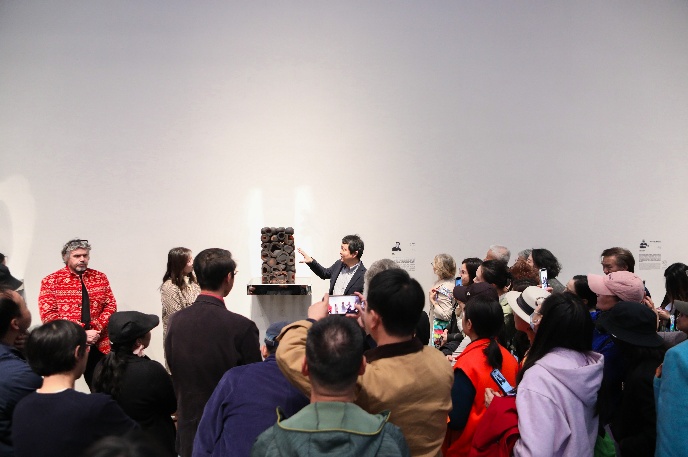
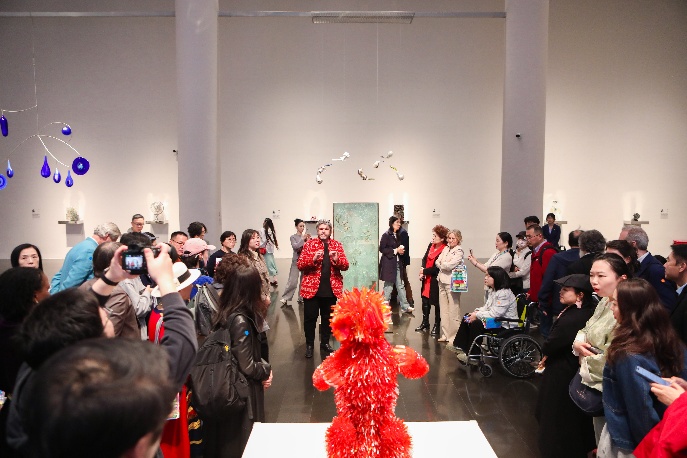
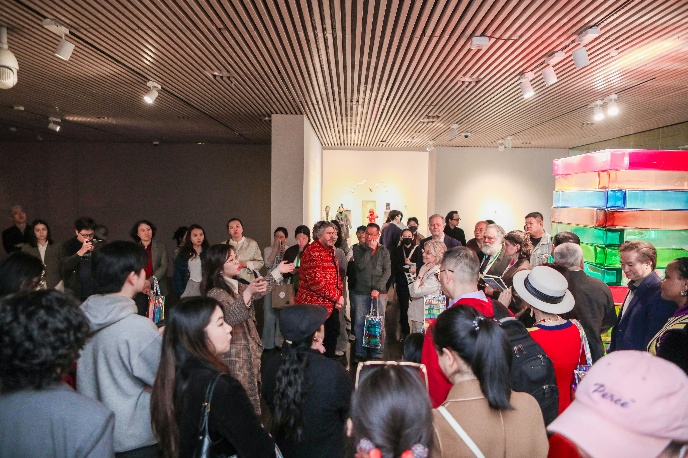
An academic exchange event was held concurrently with the exhibition's opening. Entitled “Glass State: The Inner Drive of the Medium” , this event focused on the material properties, media characteristics, and conceptual transformation of glass materials in contemporary art. It explored how glass, at the intersection of scientific cognition, craft tradition, and artistic practice, forms a unique medium language and structural tension. The event aimed to re-examine the medial attributes of materials from the convergence of materials science, media theory, and contemporary artistic practice, and further explore how the intrinsic driving mechanisms of media deeply participate in the structural construction of art and the reshaping of aesthetic paradigms. The event was chaired by Wang Xiaomo, Vice Dean of the Academy of Arts & Design, Tsinghua University.
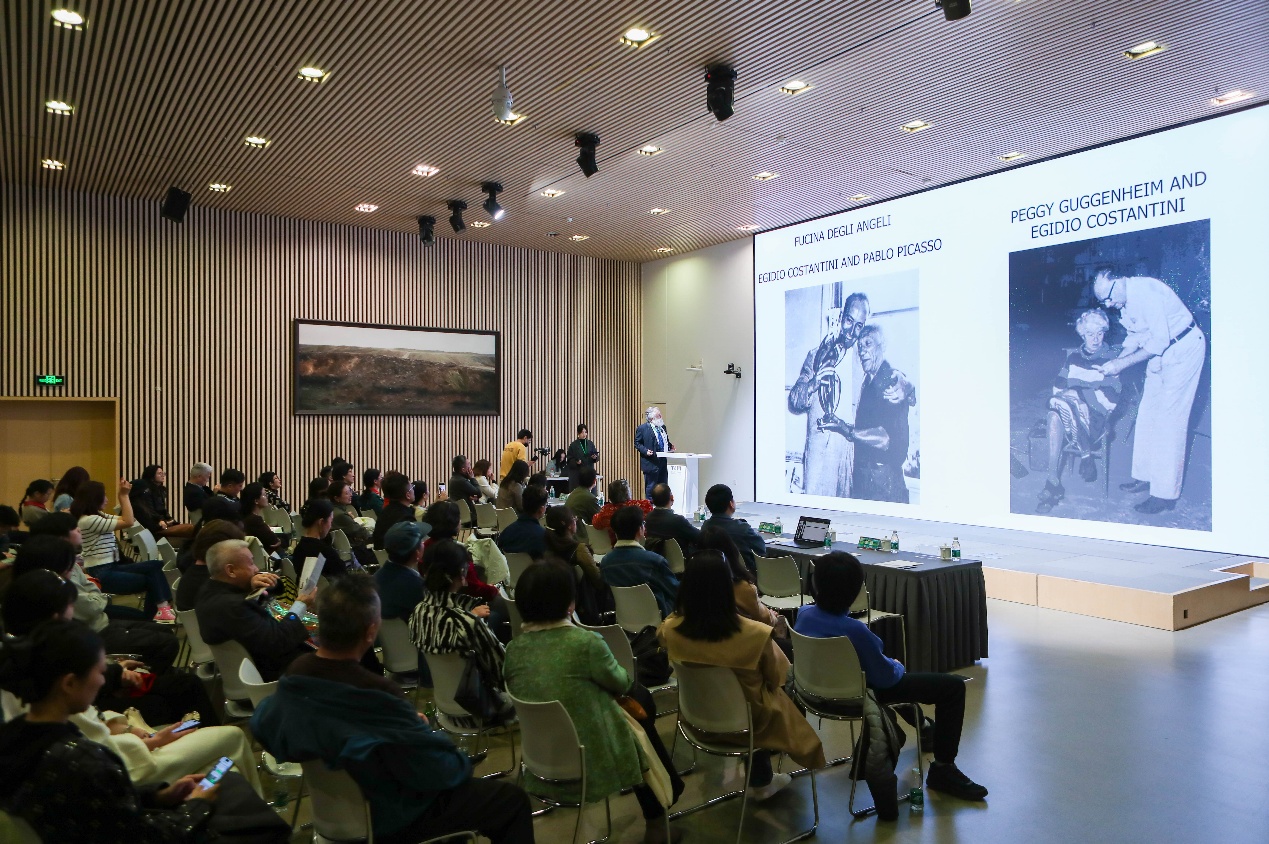
International Academic Exchange Event Scene
In his address, Federico Roberto Antonelli, Cultural Counsellor of the Italian Cultural Institute in China, stated that this exhibition and academic exchange not only bring together artistic and academic resources from Italy and other European countries but also provide a significant platform for comparative dialogue between Chinese and Western glass cultures. He believes that such activities, which are both artistically and academically significant, contribute to deepening mutual understanding and exchange between different cultures.
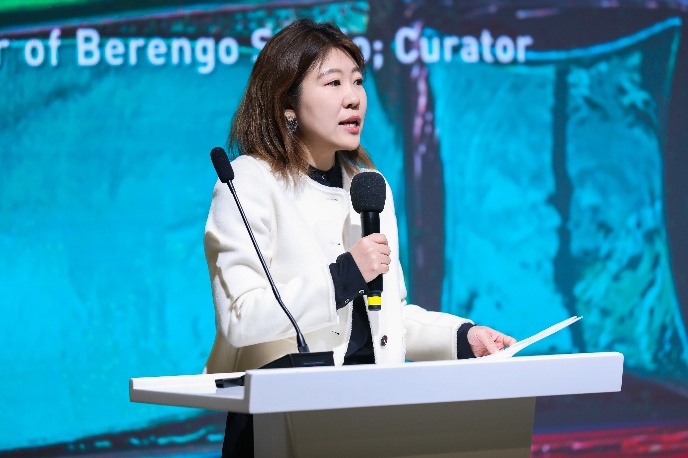
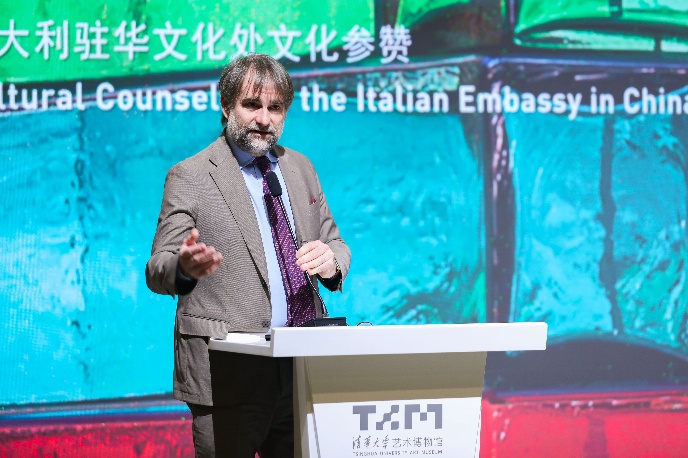
Wang Xiaomo Hosting, Federico Roberto Antonelli Delivering an Address
Academician Wang Weihua of the Chinese Academy of Sciences and Director of the Institute of Materials Science and Technology, Chinese Academy of Sciences (Dongguan), delivered a keynote speech entitled “Glass Materials and Human Civilization”. From the perspective of the history of material civilization, he systematically expounded on the profound impact of glass on science, art, daily life, and the evolution of human civilizations. He pointed out that glass is not only a key material driving modern scientific development but also a vital medium connecting technological transformation, artistic creation, and cultural exchange, demonstrating the enduring innovative vitality of this ancient material in the contemporary era.
Jean Blanchaert, Board Member of Berengo Studio, in his lecture “Maps of Light”, reviewed the developmental trajectory of Berengo Studio and traced the history of cross-border collaborations between the Venetian glass tradition and international artists. He stated that “Glasstress” was born from this legacy and, through continuous expansion, has propelled glass from craft towards contemporary art, making this exhibition a vital cultural dialogue connecting Italy and China, tradition and the contemporary.
Chen Anying, Chair of the Department of Art History and Theory at the Academy of Arts & Design, Tsinghua University, delivered a keynote speech entitled “Venetian Artificial Crystal: A Transparency Toward Nakedness”. From a comparative perspective of Chinese and Western civilizations, and centering on concepts like “crystal” and “transparency,” he discussed the differing significance of glass in Chinese and Western creative aesthetics. He pointed out that glass has become an important medium transcending the boundaries between transparency and opacity, East and West, and offers Chinese contemporary glass art an opportunity to re-examine its own aesthetic traditions.
Researcher Tang Hongfeng from the School of Arts, Peking University, in her keynote speech “Glass and Visuality and Emotion in Modern China”, noted that as a special medium, glass, with its transparency, fragility, and optical properties, is deeply involved in artistic creation and audience perception. She emphasized the dual material and virtual characteristics of glass, which endow it with a unique role in visual and emotional expression. Additionally, glass played a significant role in urban culture and public spaces in late-Qing China.
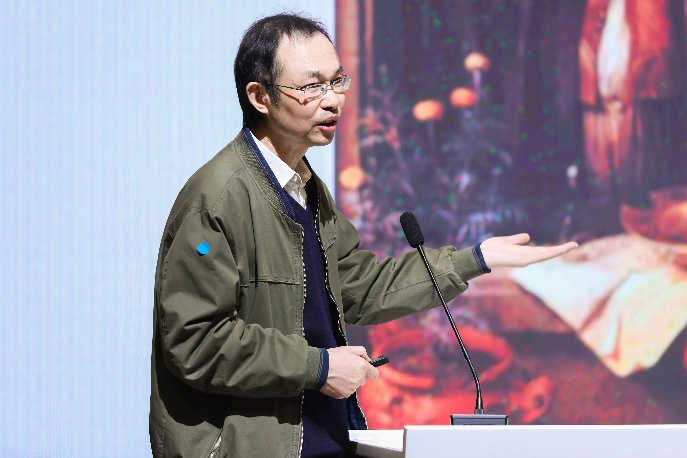
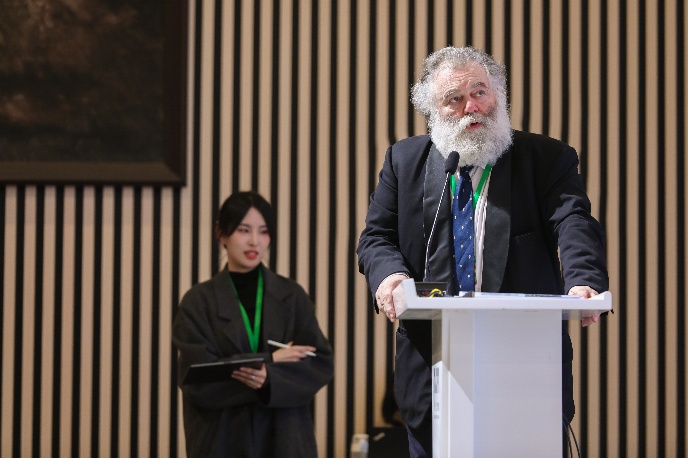
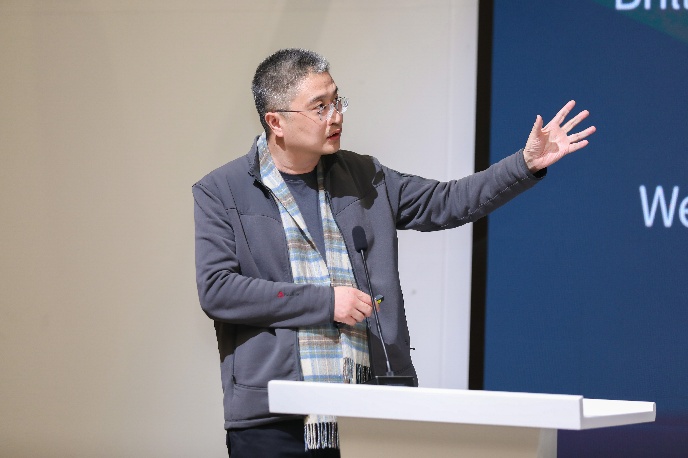
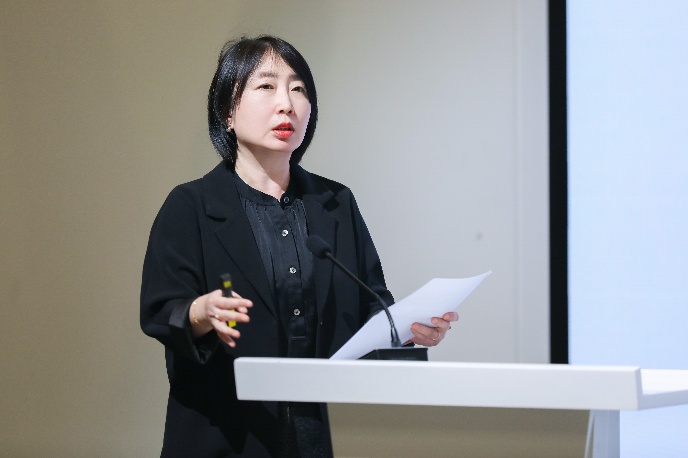
Wang Weihua, Jean Blanchaert, Chen Anying, Tang Hongfeng Delivering Keynote Speeches
Belgian artist Koen Vanmechelen shared “Evolution of Hybrids”. Through chicken and egg imagery, he interrogates the sustainability of human intervention in nature. This reflection translates into a “fusion” of diverse materials, demonstrating an exploratory spirit that embraces imperfection and transforms material “accidents” into artistic vitality.
Researcher Zhao Yan from the Central Academy of Fine Arts delivered a keynote speech titled “Reconsidering the Specificity of Glass Medium as Contemporary Art”. He analyzed the reasons for the “absence” of glass in traditional art history. He pointed out that glass has become a core carrier for conveying contemporary ideas and, drawing on artists' practices, expounded on its multiple tensions). He called for the full integration of glass art into the writing and critical mechanisms of contemporary art history.
Bao Honglei, Board Member of Berengo Studio, in “Material Grammar: Berengo's 30-Year Creative System”, expounded on how artists are guided to “think in glass.” She analyzed numerous collaborative cases with cross-disciplinary masters, noting that artists have achieved the regeneration of their personal language by mastering the “order” of glass. She emphasized that materials are not merely accessories but the core site where artistic ideas emerge and extend.
Associate Professor Zhang Chen from the Central Academy of Fine Arts presented the keynote speech “The Materiality of Transparency: Glass in Art History”. Beginning with “Alberti's Window,” he revealed the representational paradox in classical painting. Through an analysis of canonical works from Caravaggio to Duchamp, he examined the gradual dismantling of classical representational order in art history, pointing out that the admixture of transparency and opacity endows contemporary glass art with deeper possibilities.
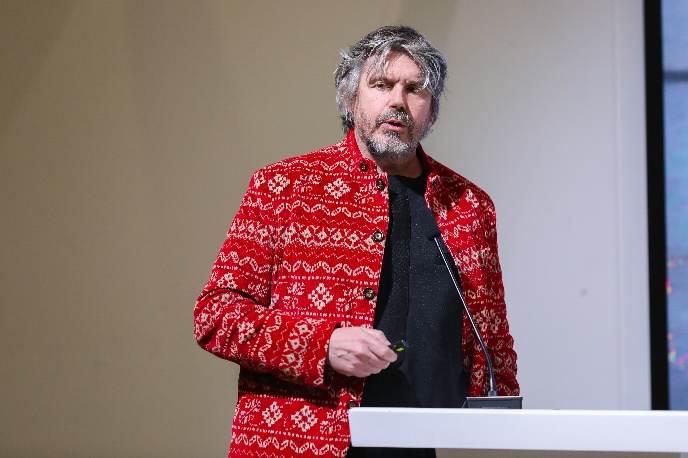
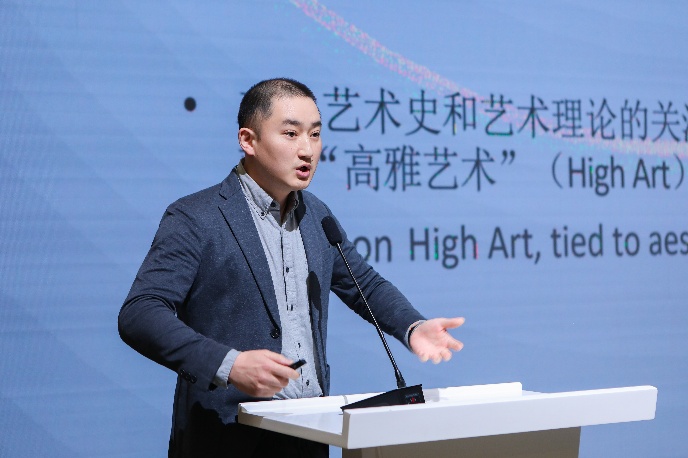
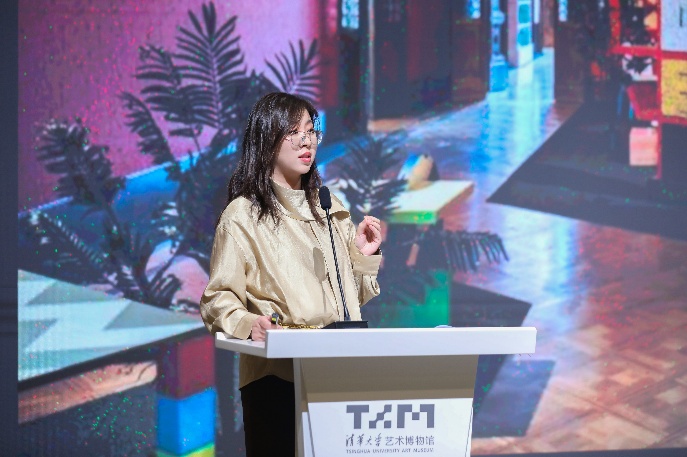
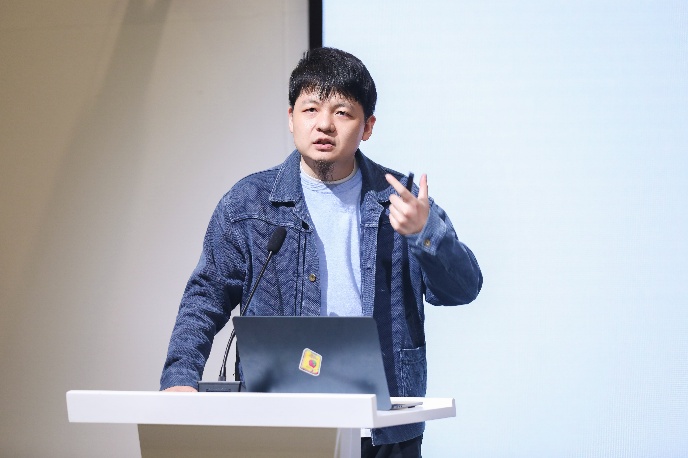
Koen Vanmechelen, Zhao Yan, Bao Honglei, Zhang Chen Delivering Keynote Speeches
Over 100 scholars, artists from various countries and regions, as well as teachers and students from multiple universities participated in this academic event. Through interdisciplinary dialogue encompassing science, art history, art theory, material practice, and cross-cultural case studies, the event profoundly revealed the unique value of glass in conceptual expression, perceptual experience, visual culture, and the innovation of material language. It also provided new perspectives for contemporary art to re-understand core issues such as “transparency,” “materiality,” and “mediumship.”