“Science Communication Product Design Course” | Professor Zhang Lei’s “Design Life Lessons”
In this course, Professor Zhang Lei transcends traditional “classroom lecturing,” instead serving as a “guide,” integrating over thirty years of accumulated practical experience, industry insights, and life reflections into every lesson, every discussion, and every refinement of design details.
“Design is not armchair theorizing, but a creative process of solving real problems.” This is a phrase Professor Zhang frequently emphasizes. His classroom eschews tedious and obscure theoretical accumulation, replacing it with personal design stories, from initial concept germination, through challenging iterations, to final implementation. These vivid case studies immerse students in authentic design scenarios, providing them with invaluable “firsthand experience.”
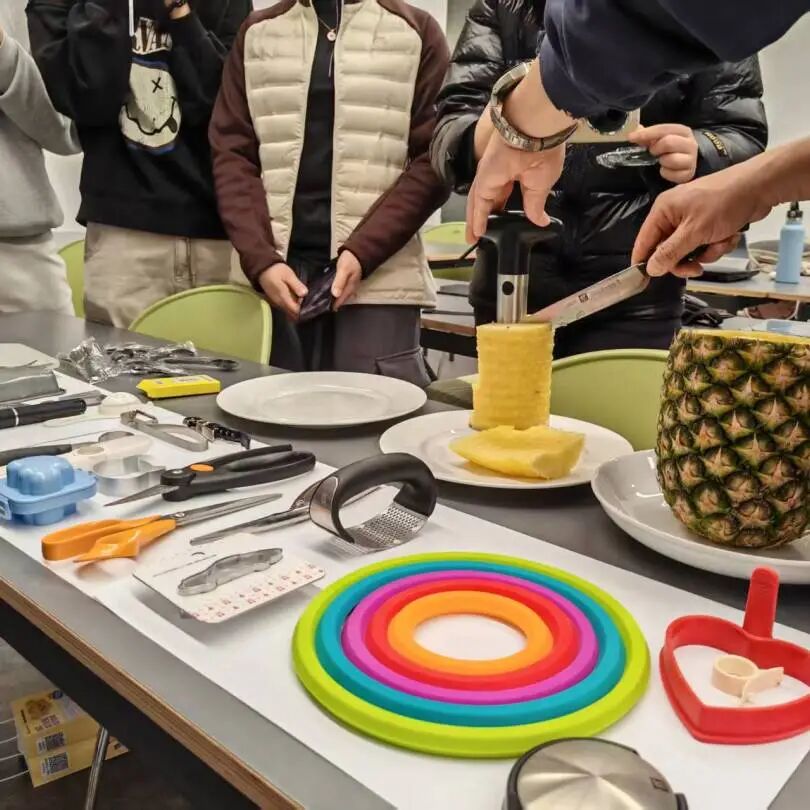
In the first class, Professor Zhang brought dozens of excellent design products for analysis
Course Overview
Beyond the Classroom: Where Design Meets Reality
I. Immersive Field Visits: From Office Spaces to Life Sciences
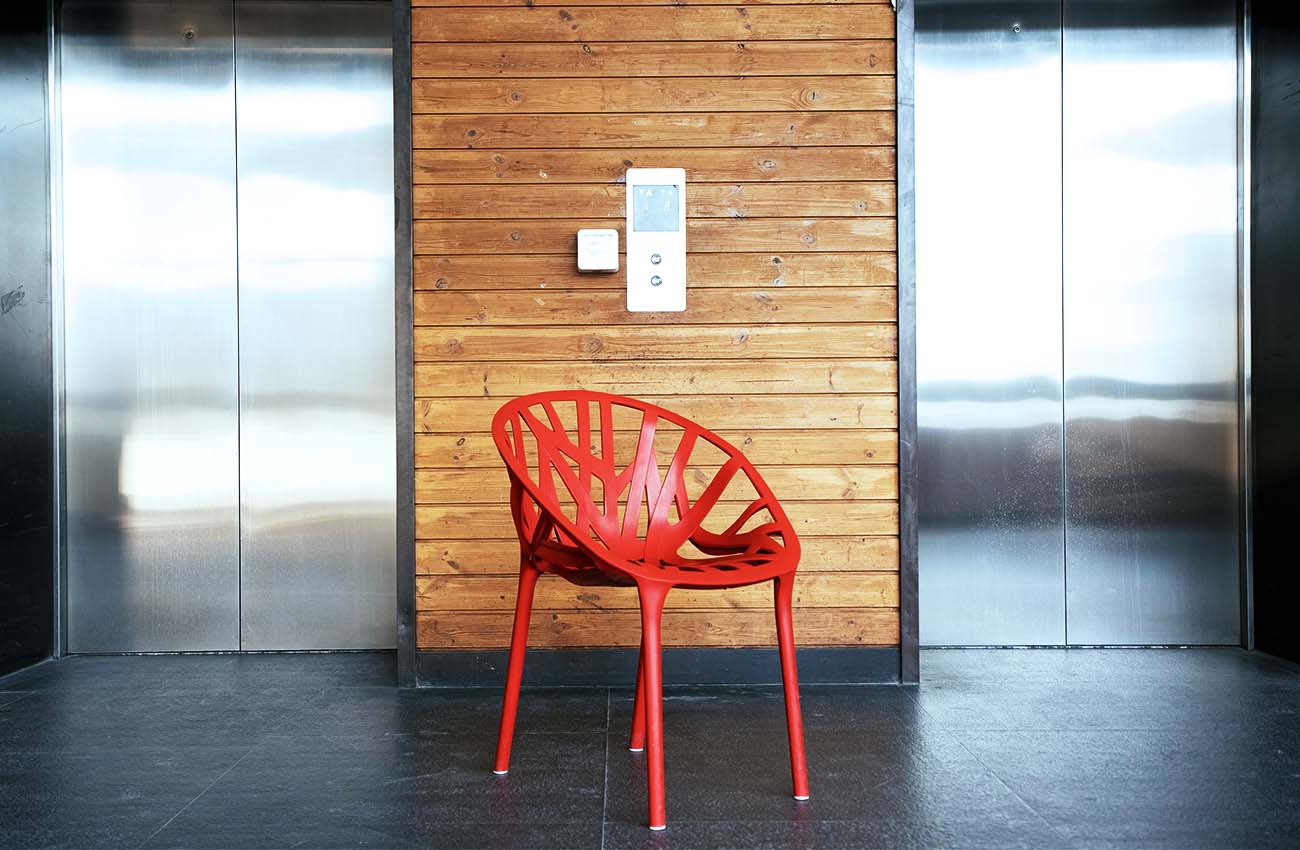
Steelcase Global Office Design Company Visit: Students experience office environment design firsthand, understanding the deep connections between space, furniture, and human behavioral patterns, gaining insight into how product design shapes modern work practices.
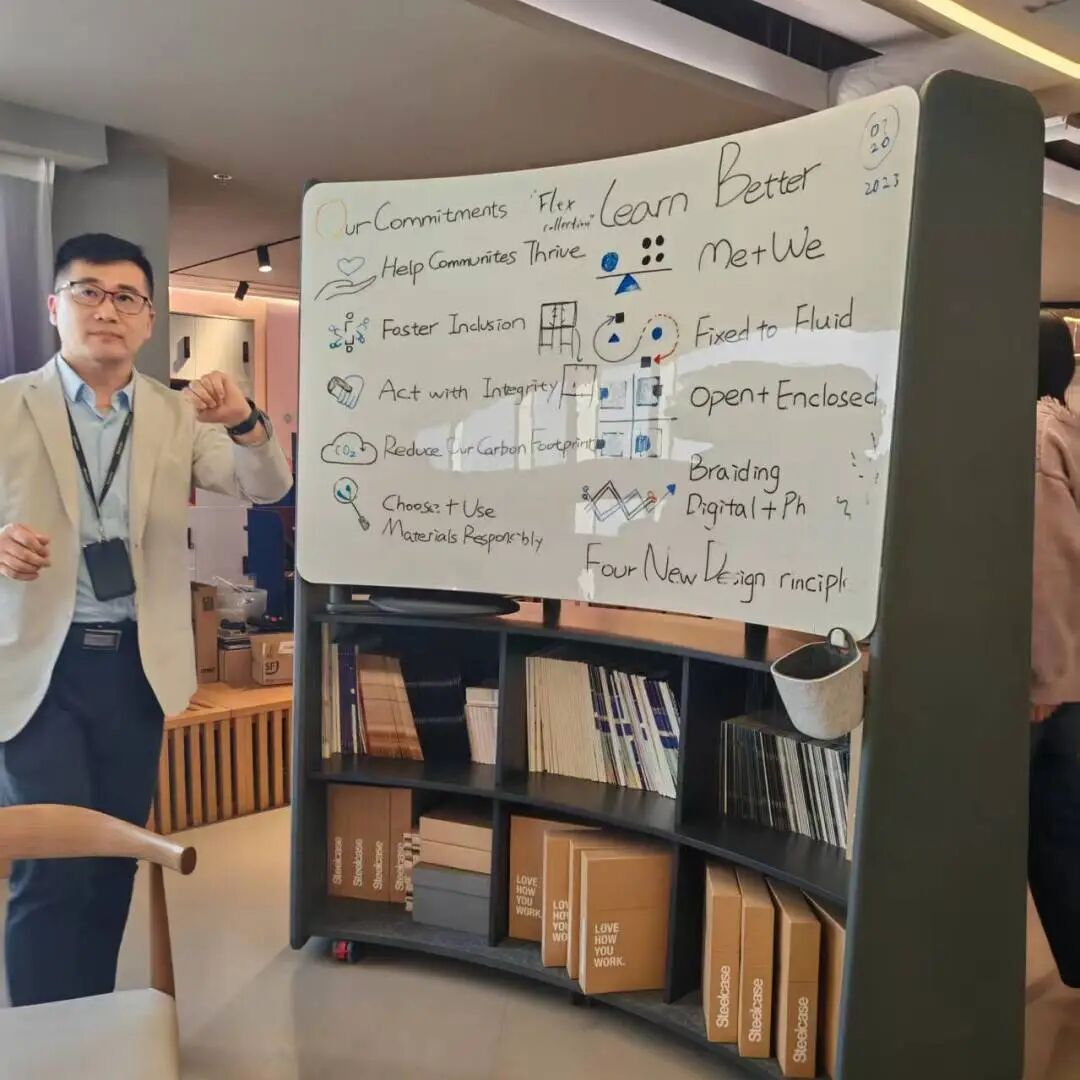
Visiting Steelcase
Biological Research Institute Investigation: Visiting the exhibition hall and engaging in dialogue with researchers, students draw inspiration from life sciences while learning how to transform complex scientific principles into science communication products that the public can perceive and interact with.
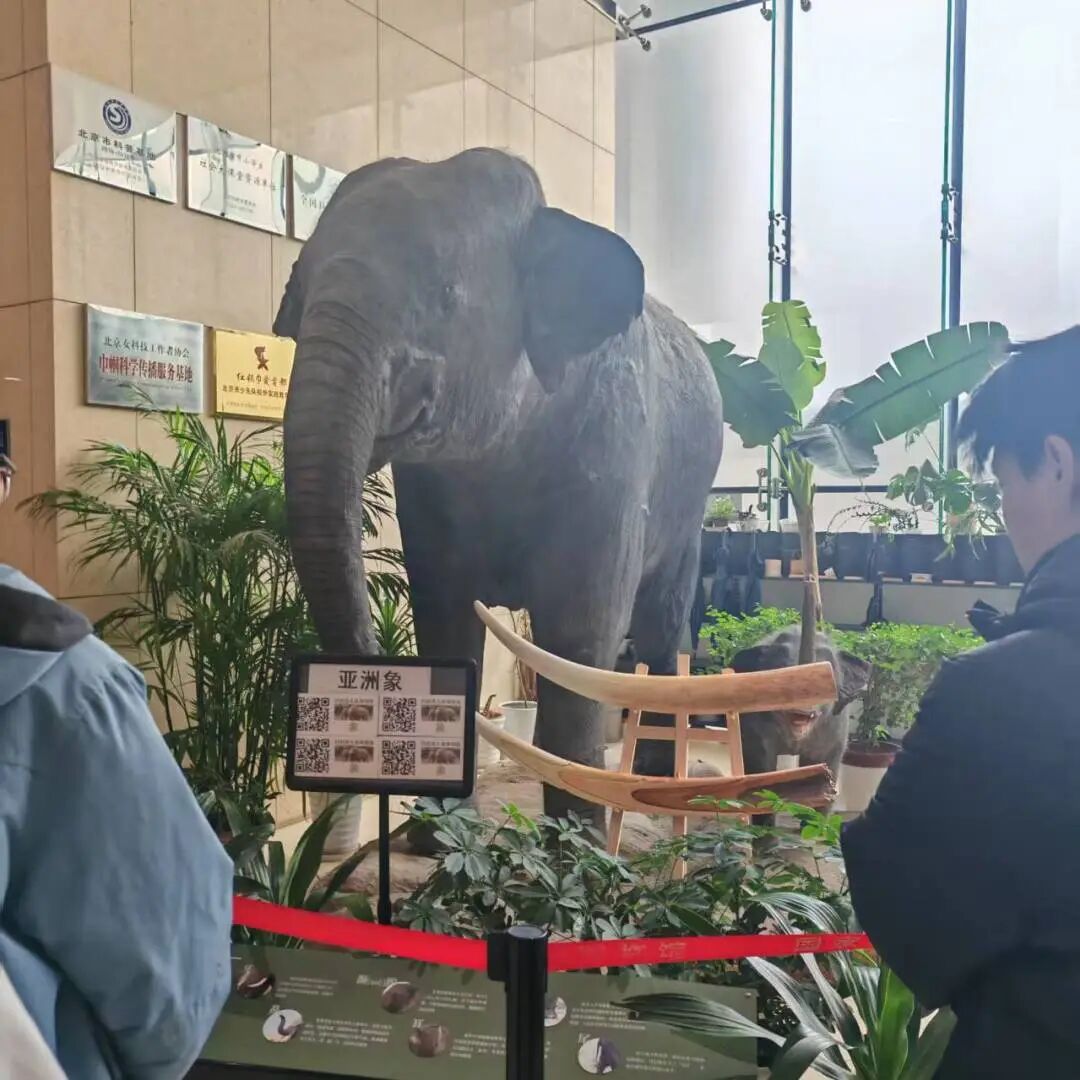
Visiting the Biological Research Institute
II. Physical Object-Based Teaching: Touching the Warmth of Design
Professor Zhang’s classroom is filled with “props”, physical examples of classic design products from previous years, samples of different materials and processes, model-making tools... Through direct observation, touching, and even disassembly, students intuitively understand the material selection, structural engineering, and user experience considerations behind design. This “visible and tangible” learning makes abstract design knowledge instantly vivid and concrete.
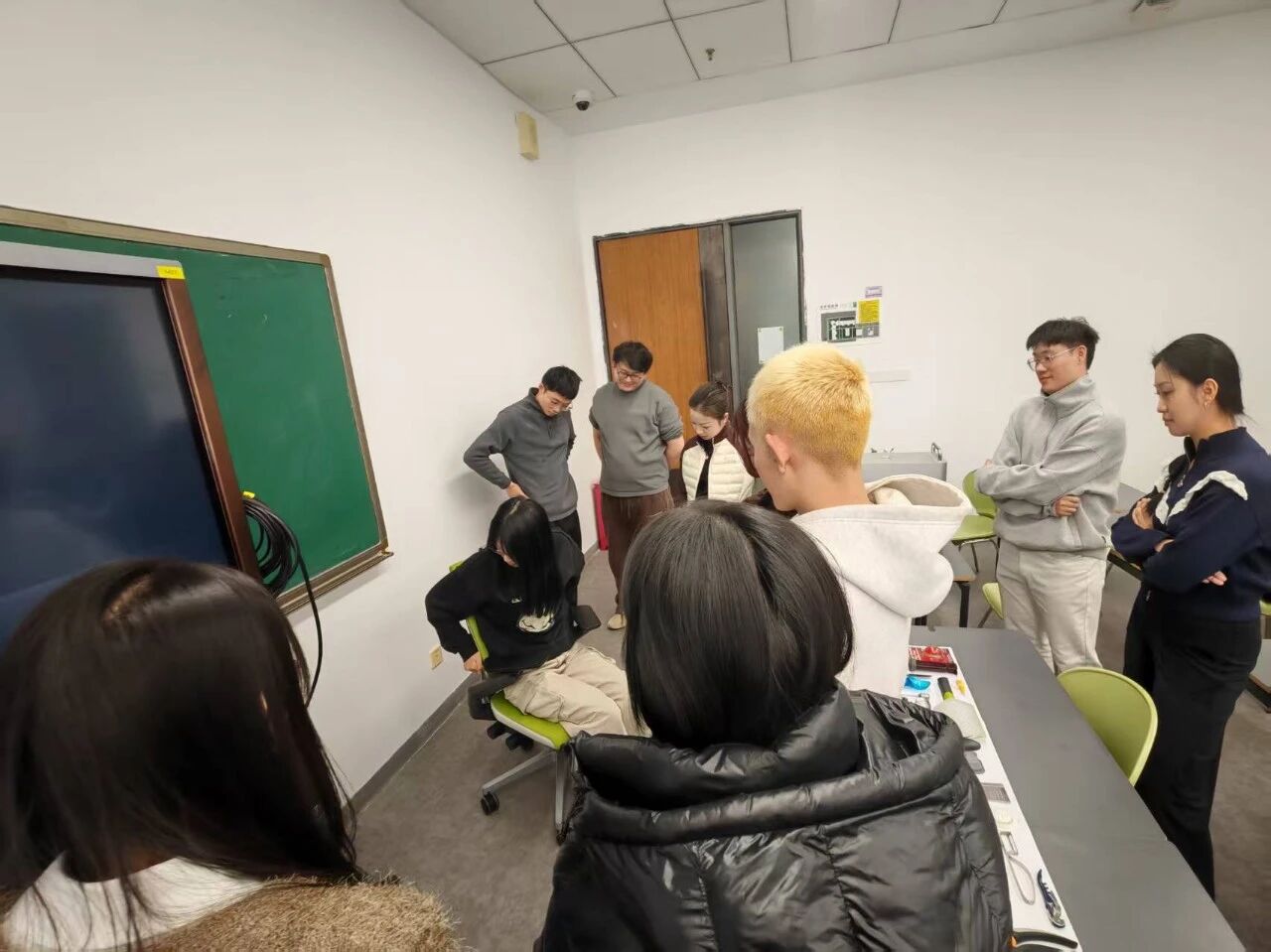
Ergonomic Chair Product Analysis and Testing
III. Real Project-Driven Learning: Conceptualizing Outer Space, Landing in the Science Museum
The course assignment is an extremely challenging yet fascinating ultimate project: “Science Communication Product Design for Outer Space Scenarios.”
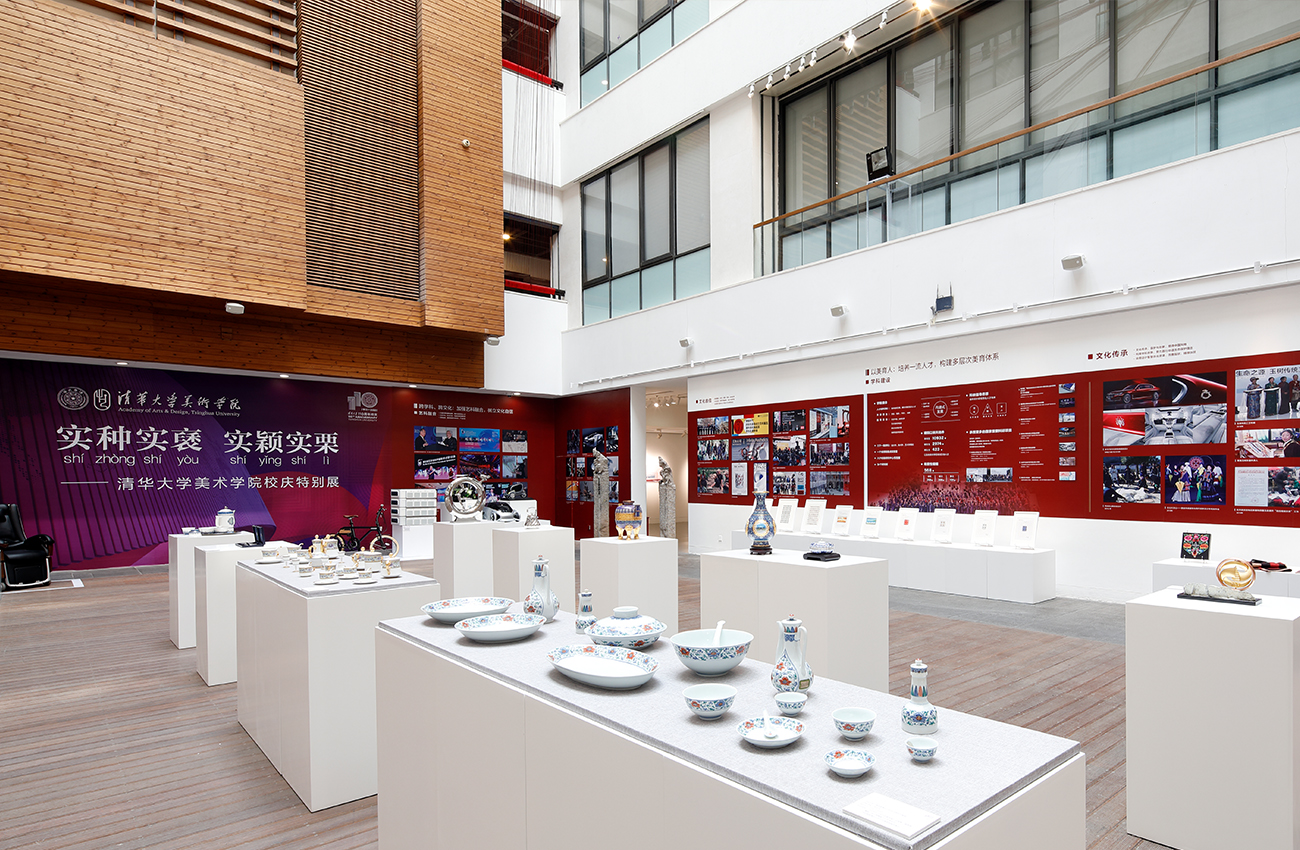
Students were divided into three groups and, under Professor Zhang’s guidance, started from scratch to develop unlimited creative visions for future space life. This involved not only imaginative conceptualization but also rigorous design reasoning. Moreover, these three groups’ design proposals, products envisioning future space exploration and accompanying cultural and creative products, did not stop at course assignments. They received the valuable opportunity to be exhibited at the China Science and Technology Museum. From concept to model to public display, students experienced the complete workflow of a design project. The exhibition was selected as the annual Best Temporary Exhibition at the science museum for its unique creativity, excellent production quality, and profound science communication content. The students’ names and works were connected with a national-level science communication platform for the first time, and this sense of achievement became tremendous encouragement on their design journey.
Exhibition Content
Science Fiction Vision for Future Space Exploration Development
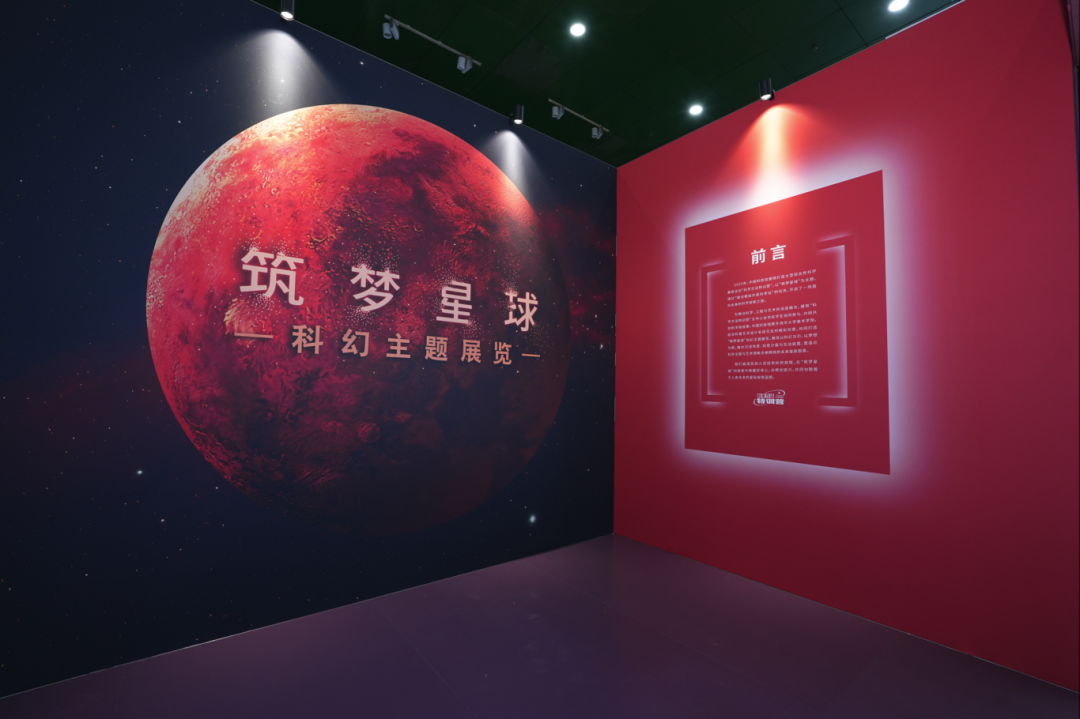
Seventy years from now, controlled nuclear fusion has become reality. Humanity uses the “Yinghuo Probe” to perform precise “acupuncture” on Mars, reshaping its atmosphere and awakening the dormant planet. A new generation of young people boards the “Pugong” spacecraft on interstellar study tours, growing and training among the stars. Meanwhile, on distant Titan, a methane fuel base stands quietly, providing inexhaustible power for humanity’s journey into deeper space. These bold visions based on existing scientific research materials form the core content of the “Building Dreams Beyond Planets” science fiction themed exhibition displayed in the East Hall of the China Science and Technology Museum.
Building Dreams Beyond the Earth Exhibition
STARTING FROM NOVEMBER 2025
I - Yinghuo Probe
Mars Atmospheric Transformation Project
Designer: Li Zhen
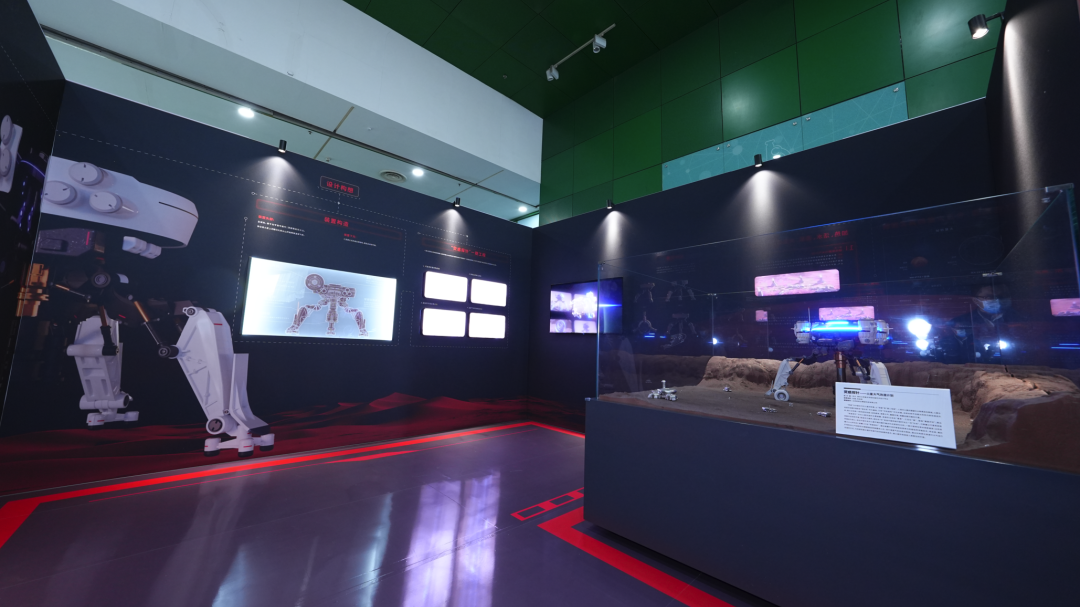
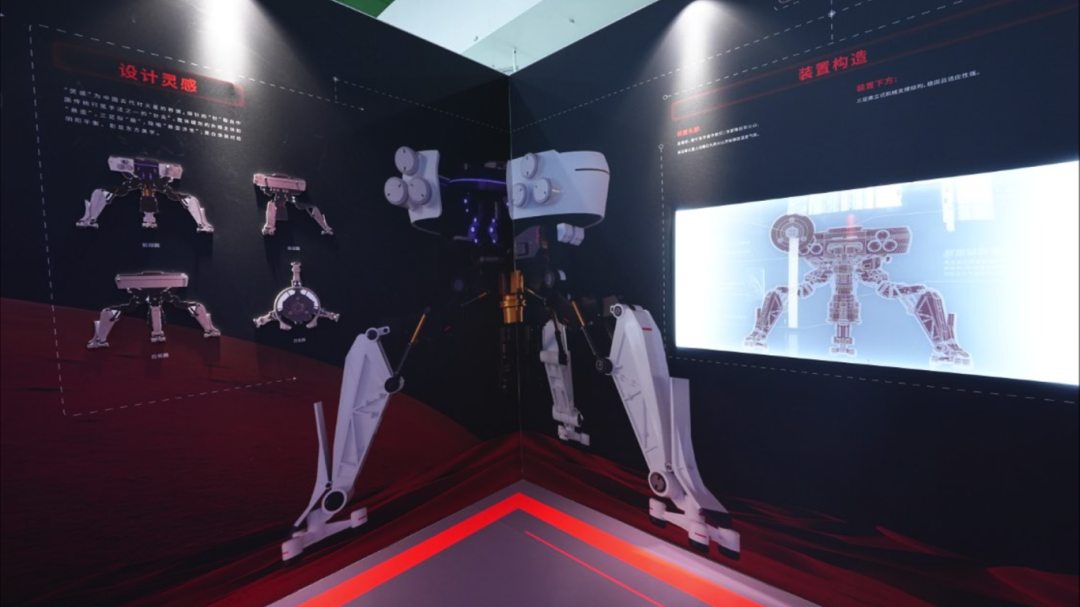
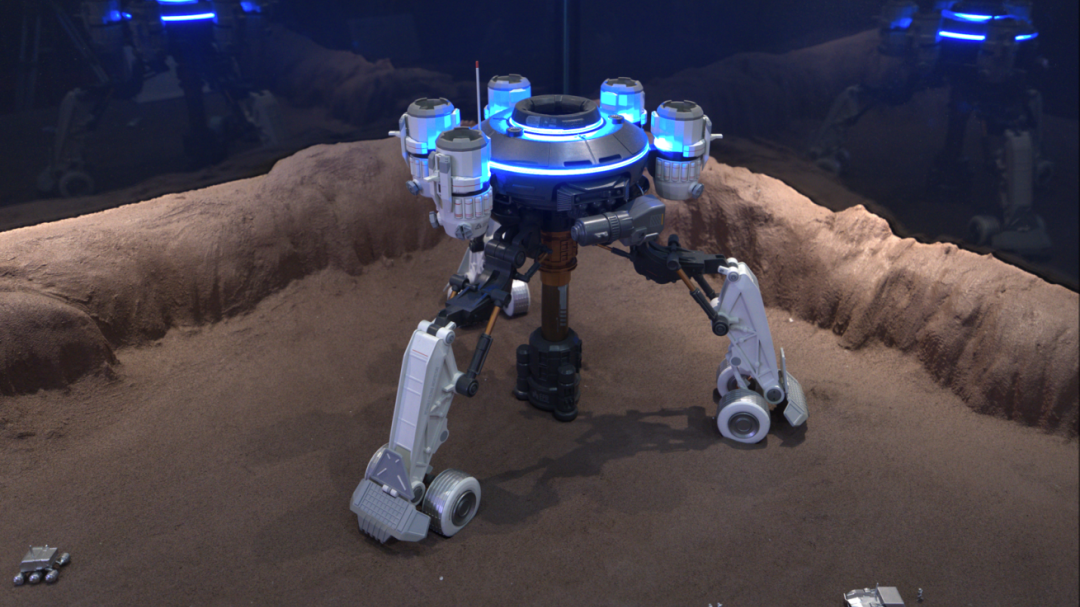
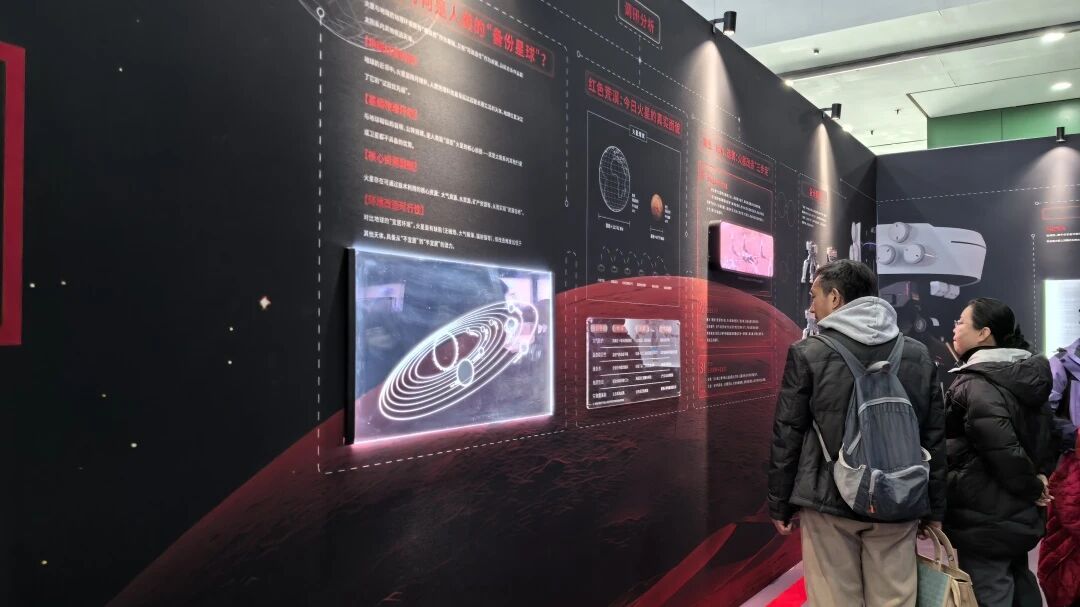
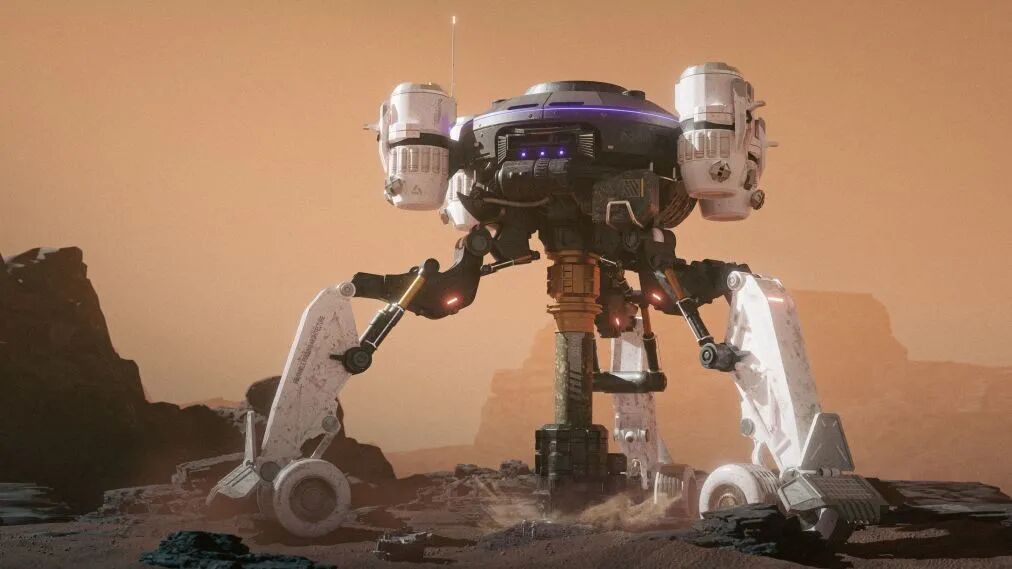
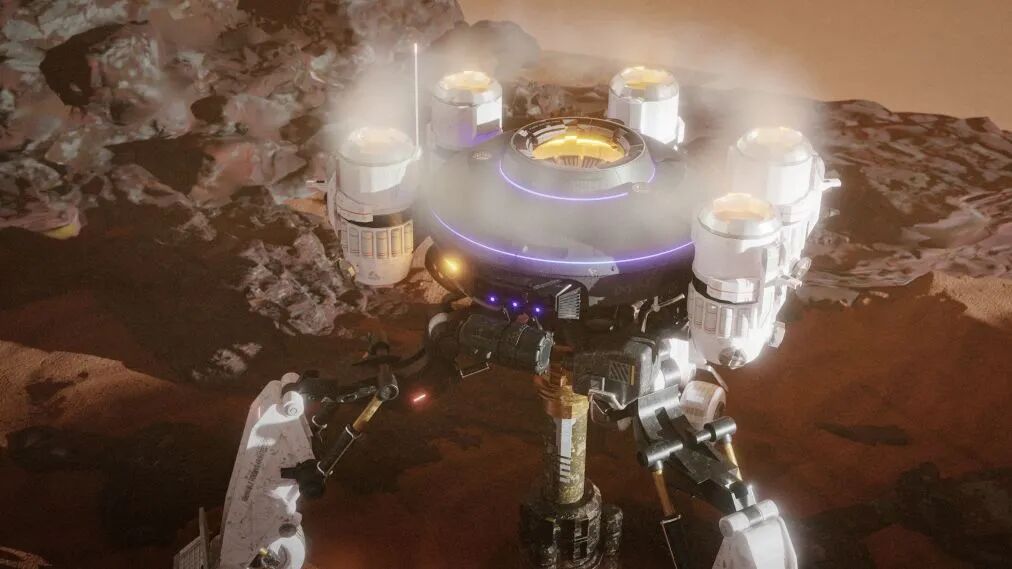
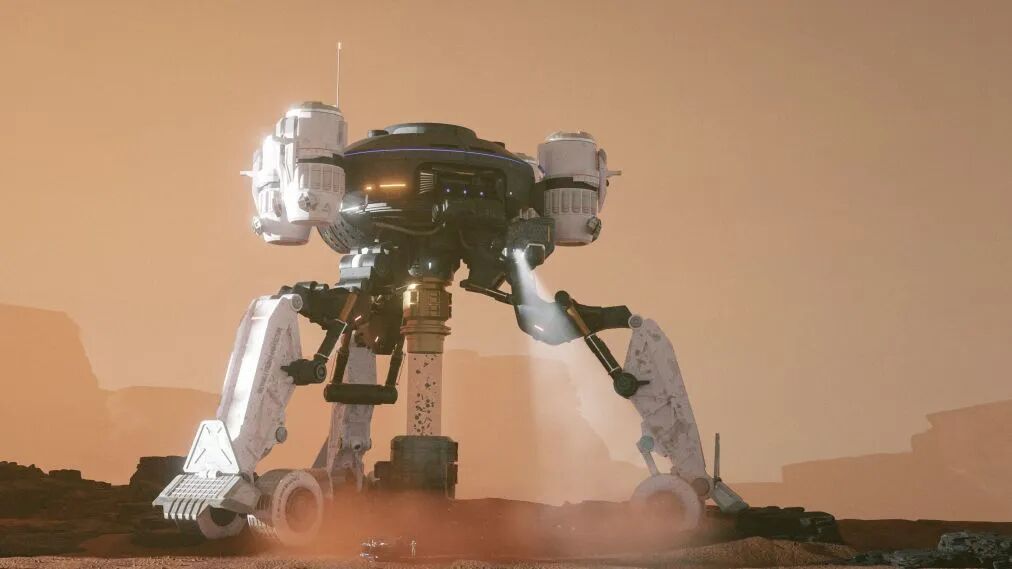
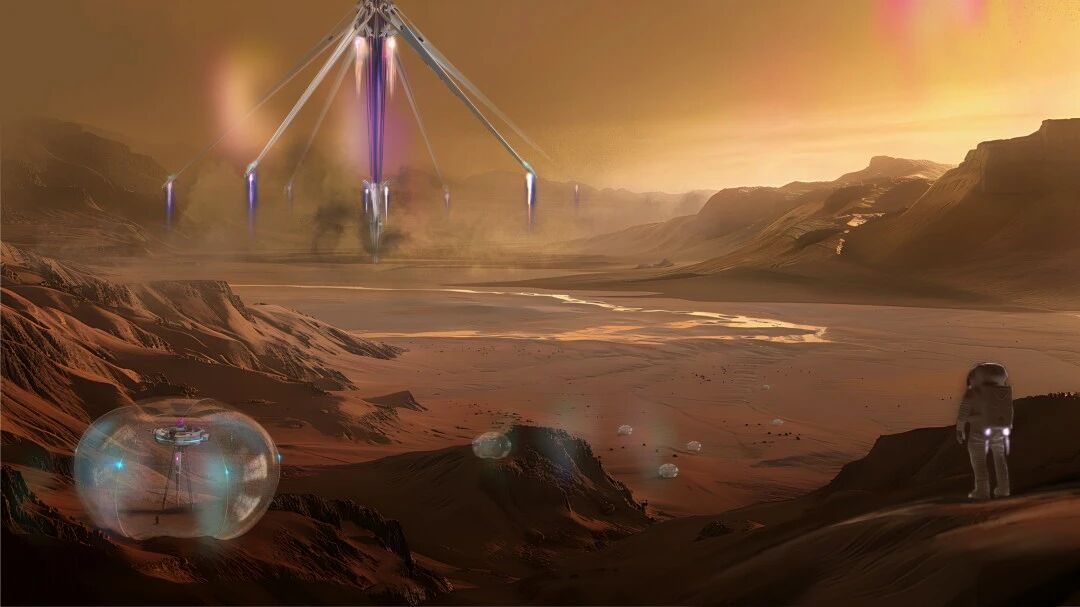
“Yinghuo” is the ancient Chinese name for Mars. From “Yinghuo” to “Second Earth,” humanity’s gaze upon Mars has evolved from reverence to reconstruction. We are envisioning a systematic transformation: heating the planet, thickening the atmosphere, reshaping the environment, and awakening this dormant planet. The “Yinghuo Probe,” as the primary device for Mars transformation, will adopt the concept of planetary systems medicine as its core, emulating traditional Chinese medicine acupuncture to conduct point-to-point detection and analysis of Mars environmental issues, transforming it into a planet suitable for human habitation!
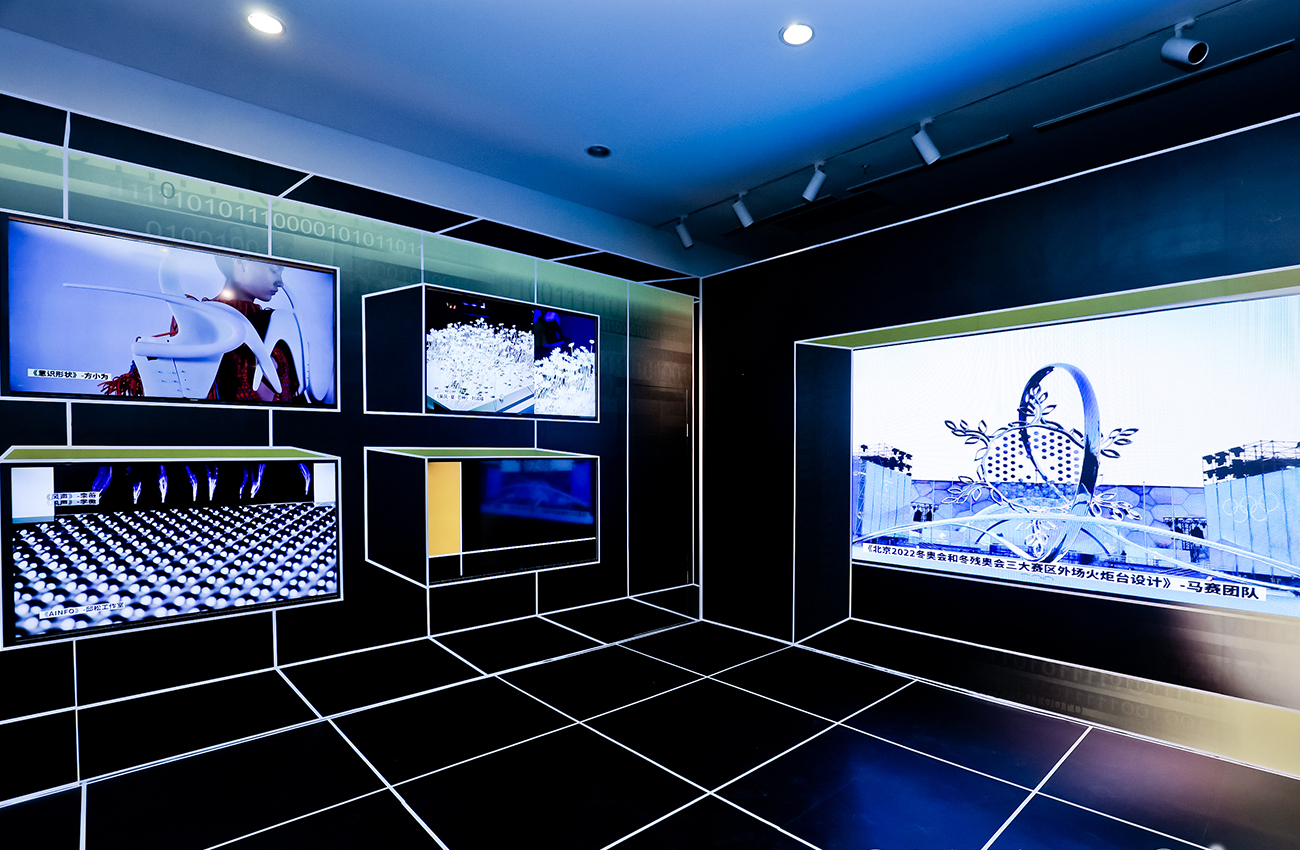
Mars Atmospheric Transformation Project Video Display
Renderings
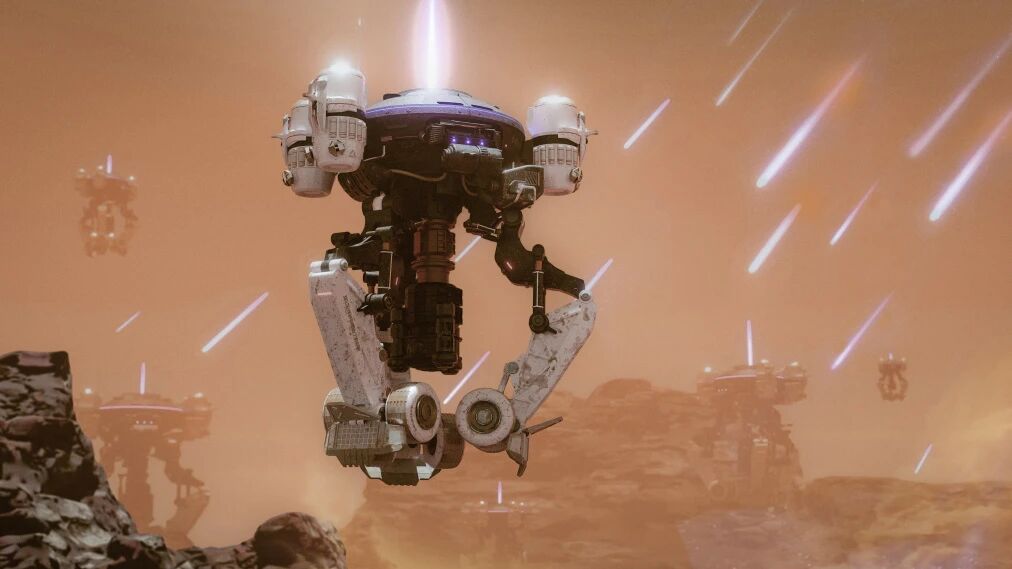
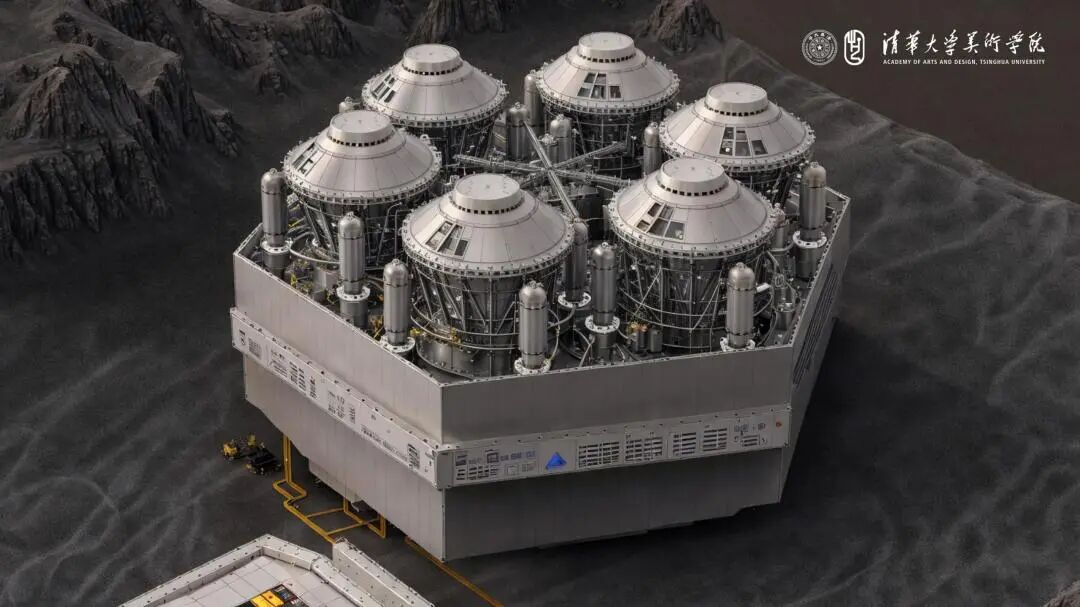
II - Titan
Supply Station for Interstellar Voyages
Authors: Yin Shuzi, Ding Yitong, Zhang Zhixiang, Xiao Xinting
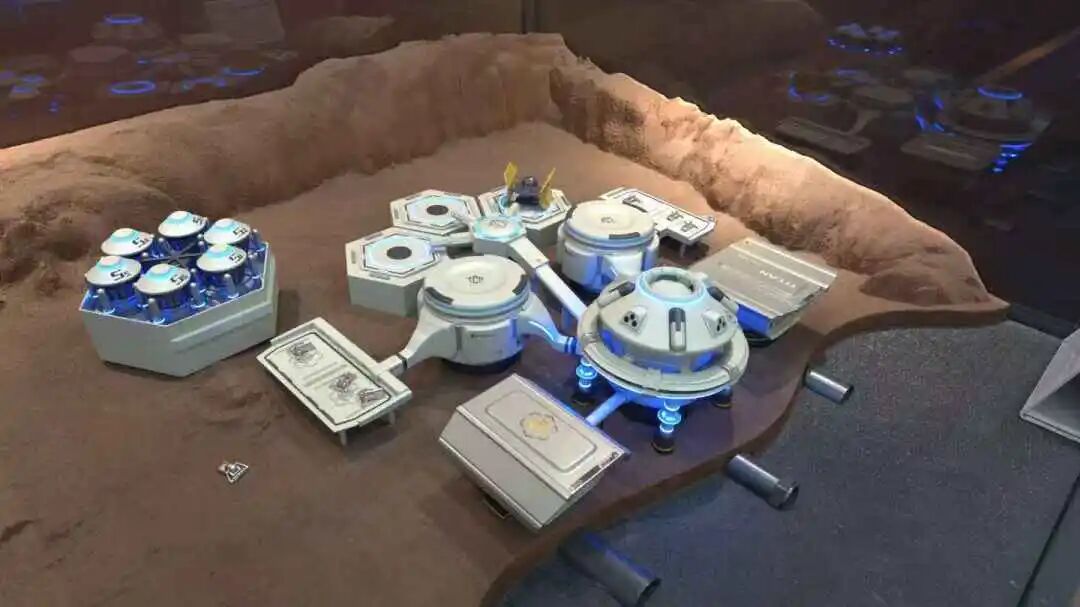
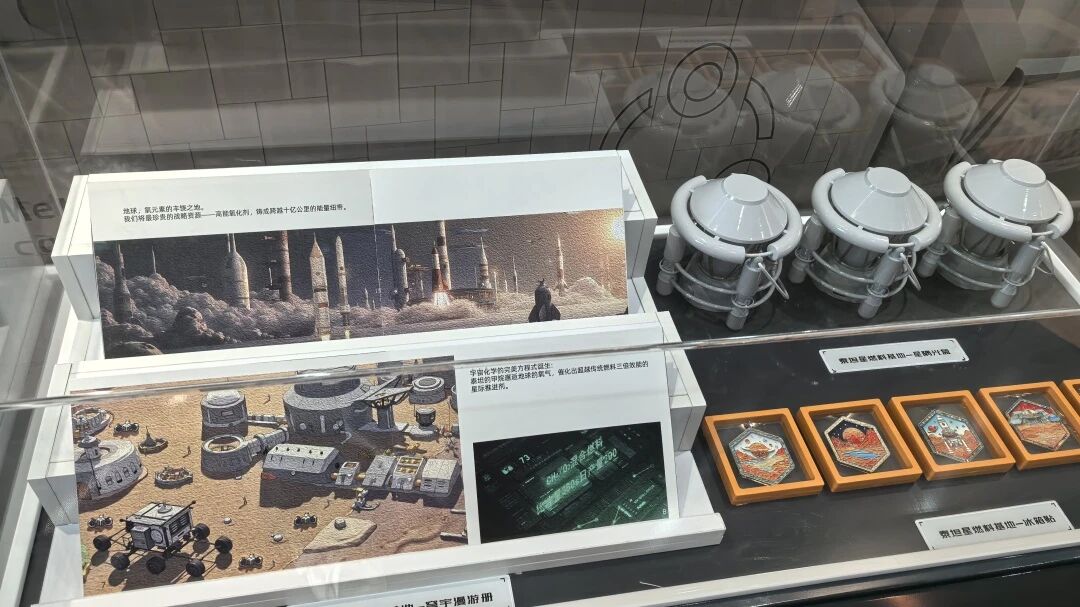
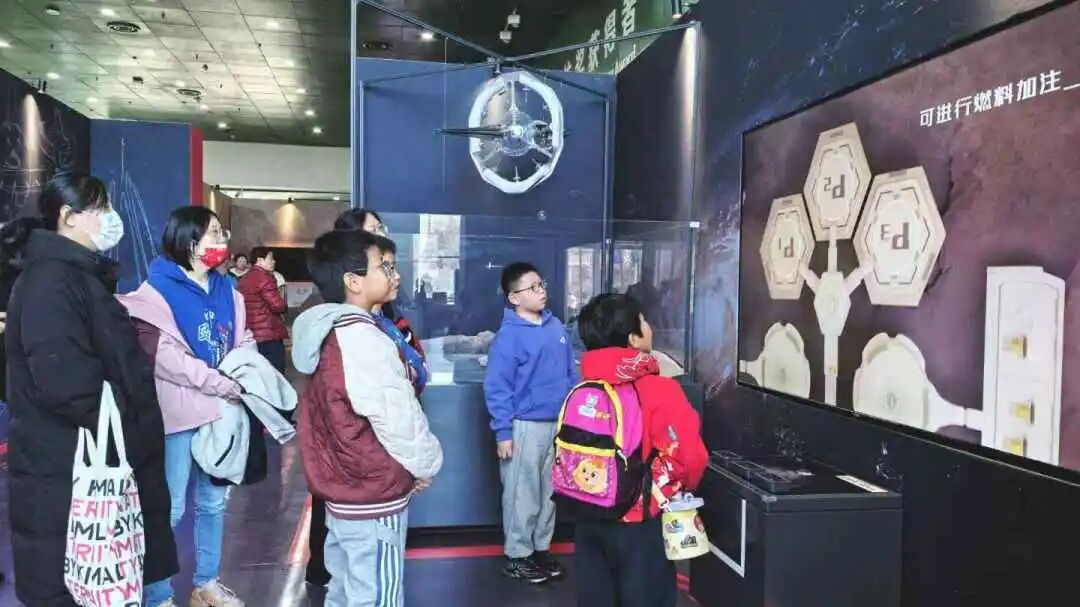
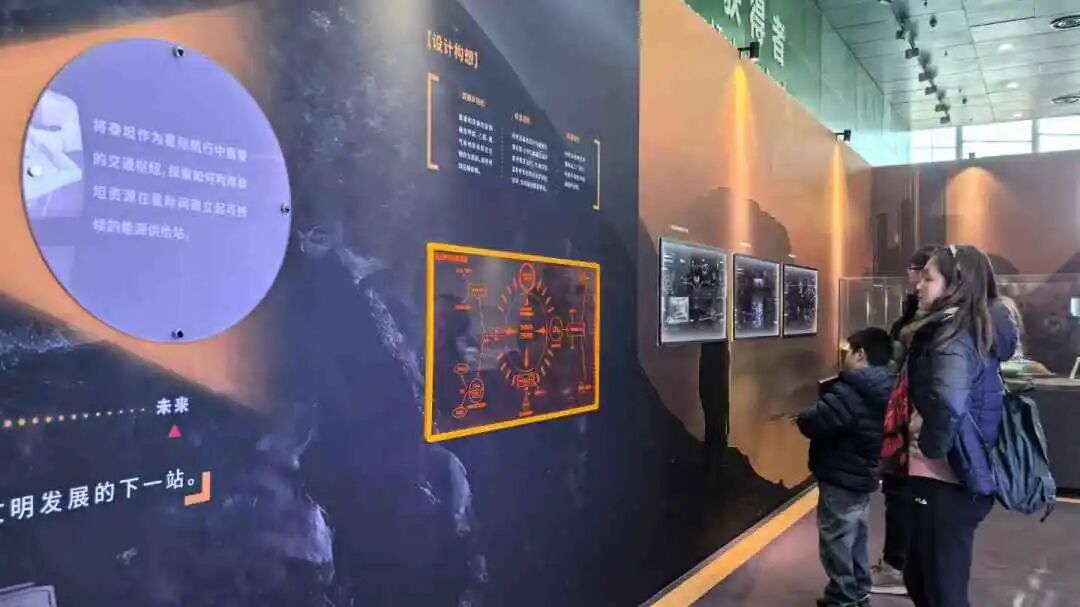
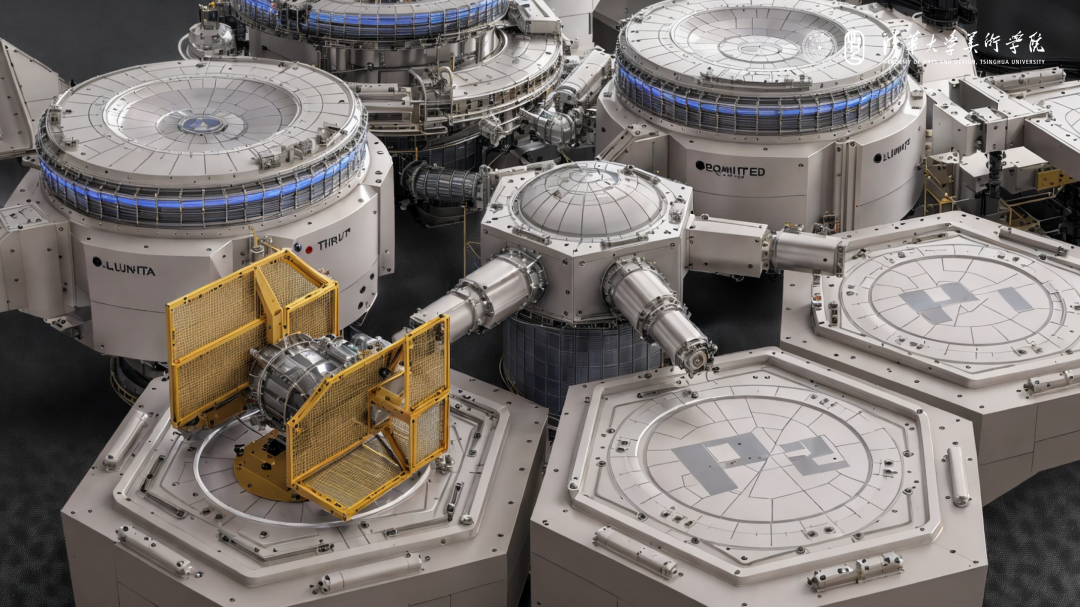
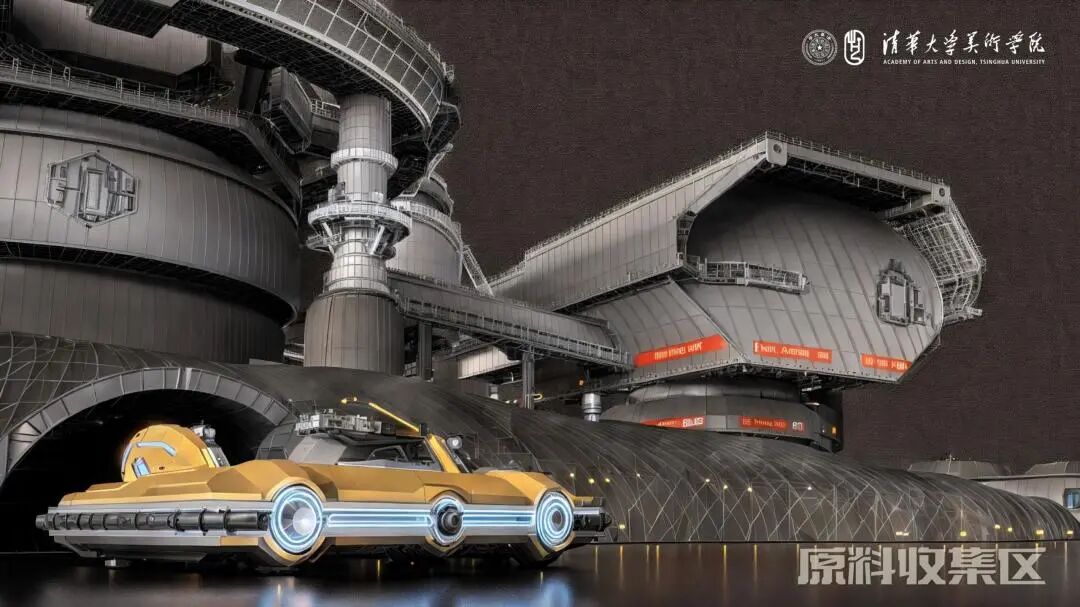
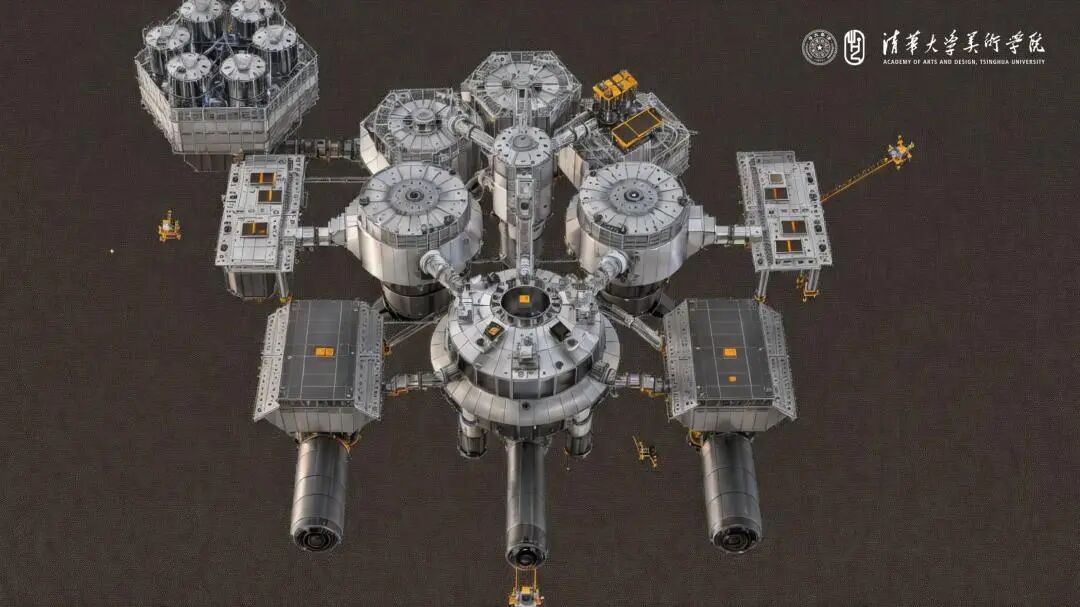
As human civilization enters a new era of deep space exploration, Titan, once regarded as a “land of death”, has become a critical pivot point for deep space flight due to its vast liquid methane lakes and stable environment. Humanity establishes Titan as an important transportation hub for interstellar navigation, building a “fuel base” there and creating a “interstellar supply station” at the edge of the solar system. This represents both an imagination of extraterrestrial resource utilization and a realistic pathway to a trans-stellar future.
Interstellar Supply Station Video Display
Renderings
III - Pugong
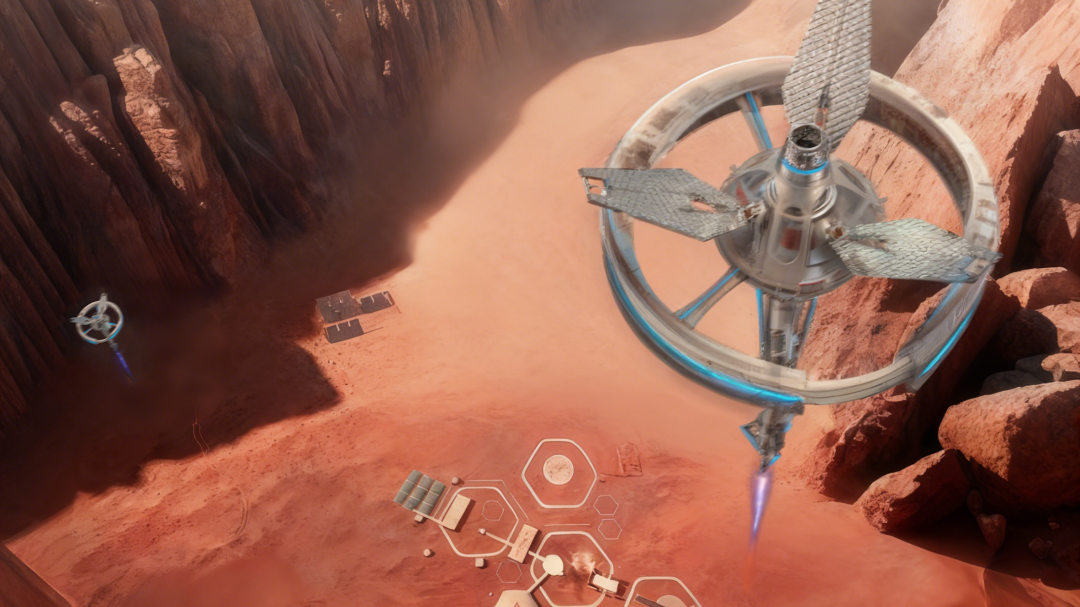
Spacecraft Concept for Interstellar Exploration
Authors: Xu Ziteng, Li Dejiang, Li Yiming, Zhang Rui
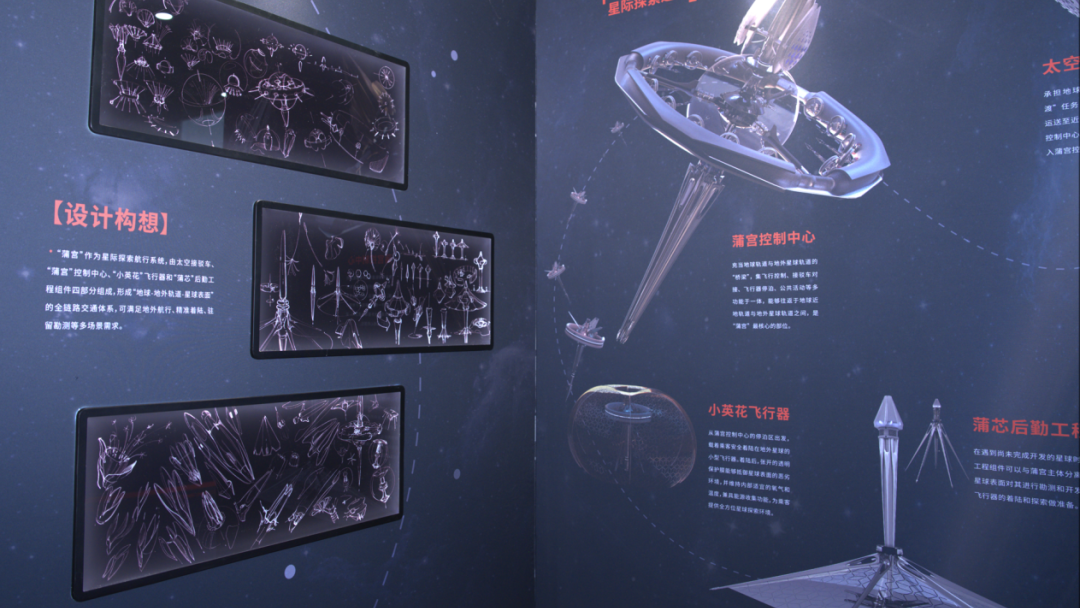
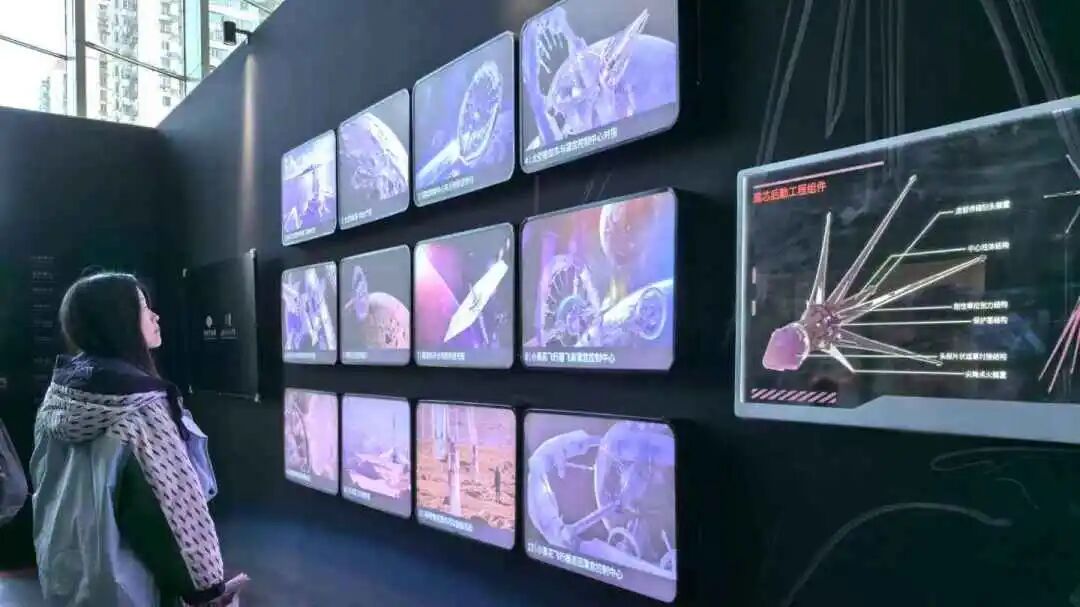
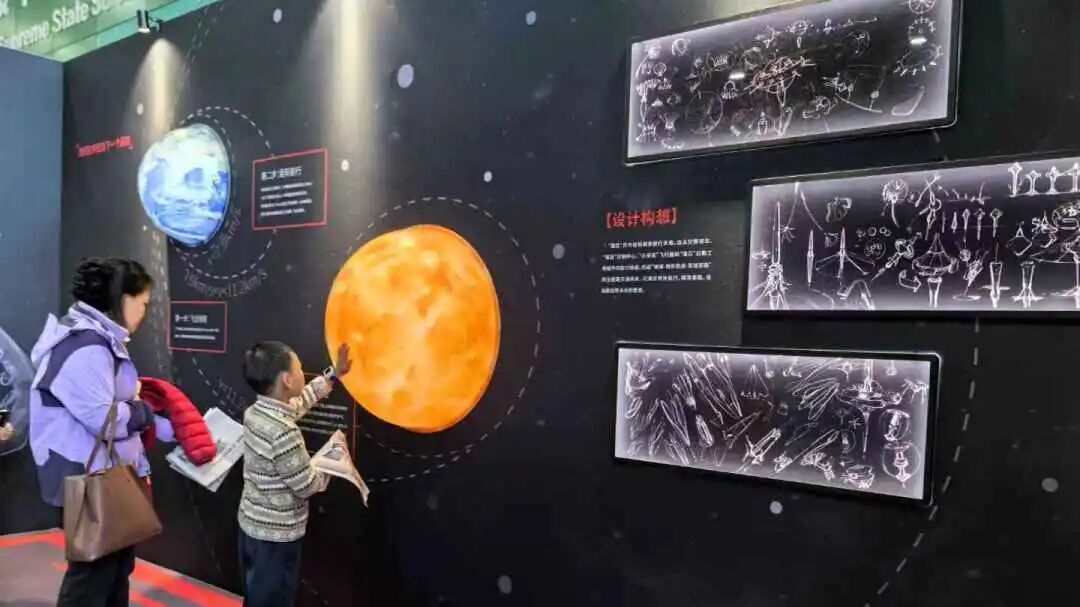
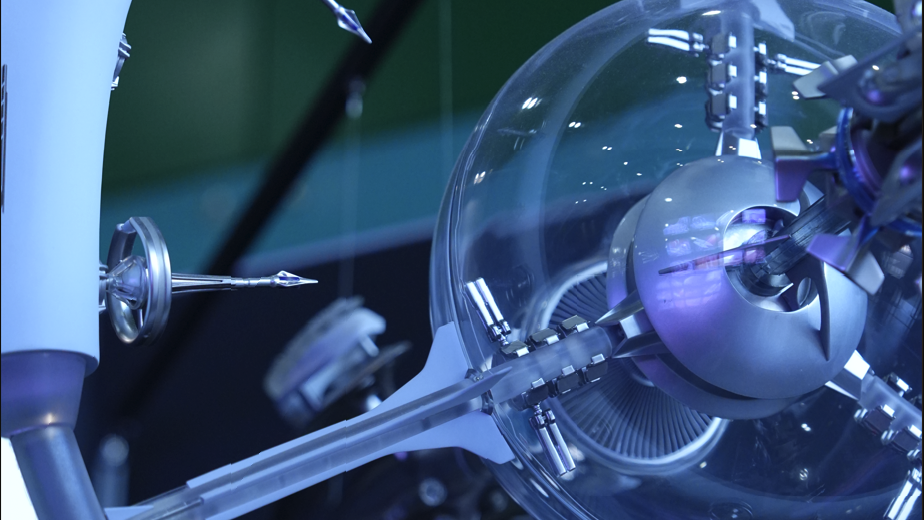
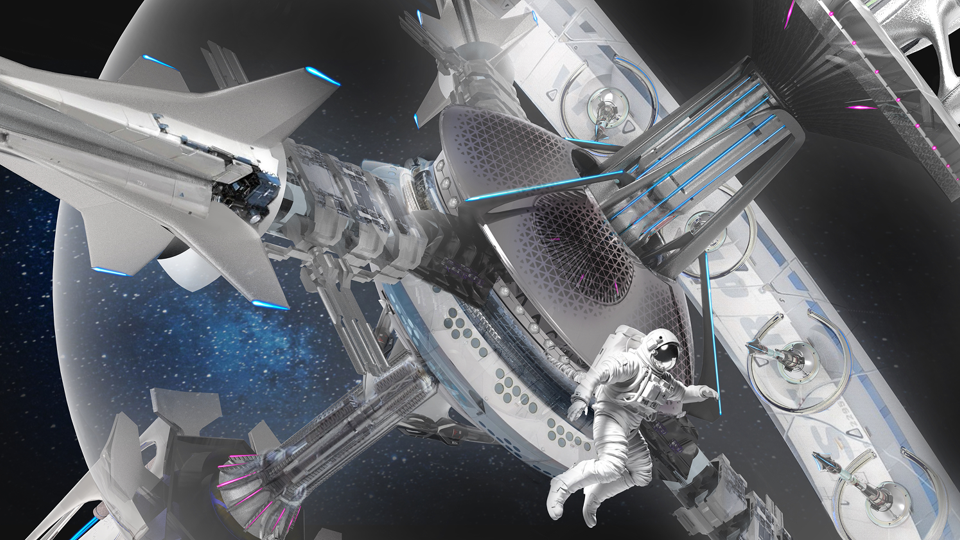
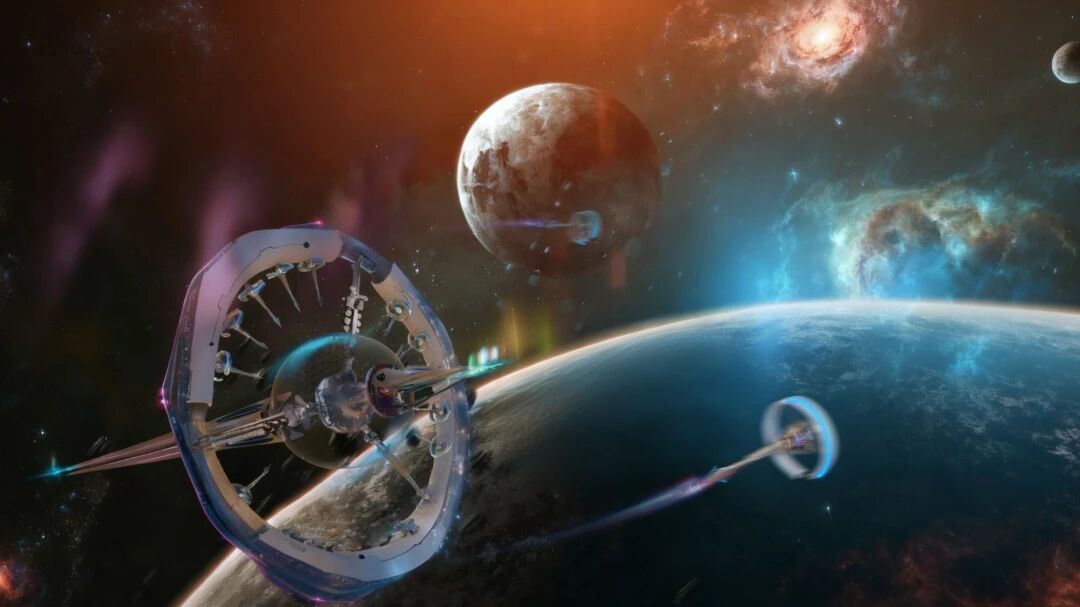
Focusing on deep space exploration in the distant future, the “Pugong” design draws inspiration from dandelion seeds floating in the wind, embodying the romantic vision of letting dreams fly into the universe like dandelions. As an iconic project of the new era of space exploration, it establishes a complete “Earth—Extraterrestrial Orbit—Planetary Surface” transportation system, capable of meeting multi-scenario requirements including extraterrestrial navigation, precise landing, and stationed surveys. In Pugong’s navigation logs, every departure represents a new verse humanity writes in the depths of the universe.
Interstellar Scientific Exploration Spacecraft Concept Video Display
Renderings
Course Records/Feedback
FEEDBACK
Excerpts from Student Course Reflections
Course Core: Authenticity is the Only Standard
Professor Zhang Lei’s “Science Communication Product Design” course consistently anchors on one core principle: authenticity.
·Authentic Problems: All cases derive from industrial practice or social needs.
·Authentic Process: Displaying failures, struggles, and breakthroughs in the design process.
·Authentic Results: Pursuing design feasibility, manufacturability, and social value.
·Authentic Feedback: Works face public scrutiny, receiving examination from thousands of visitors in the science museum exhibition halls.
This course teaches not only “how to design,” but more importantly “how to think like a designer”, innovating within constraints, integrating across disciplines, and transforming abstract concepts into tangible works that touch people’s hearts.
Conclusion
The “Science Communication Product Design” course is more than just a course, it is a bridge connecting academia with industry, creativity with practicality, and students with the broader world.