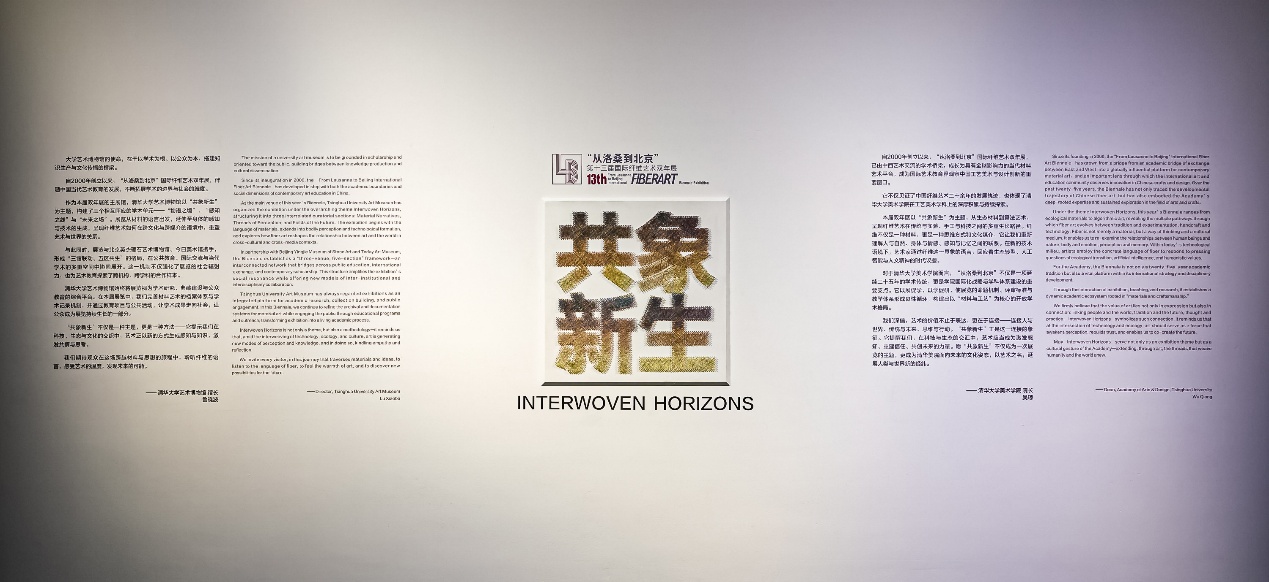
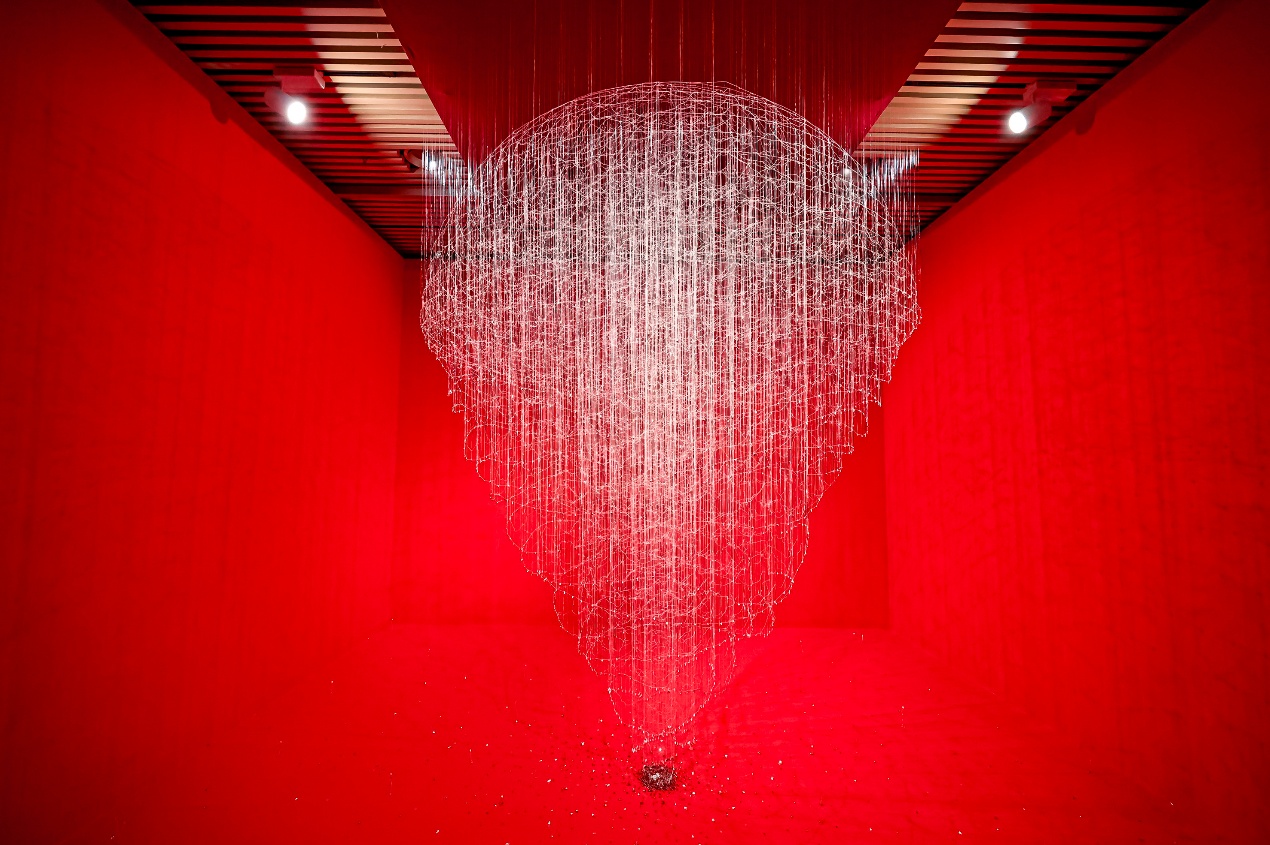
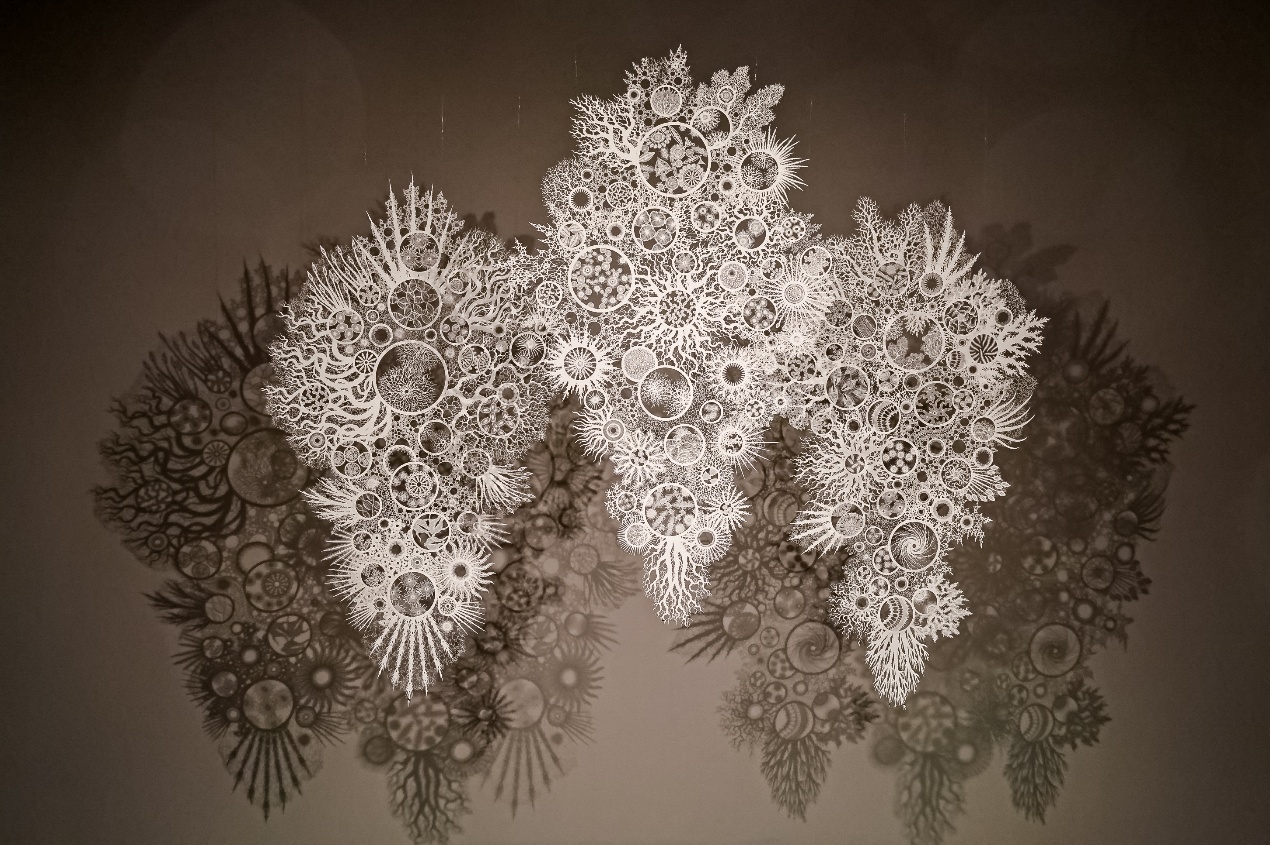
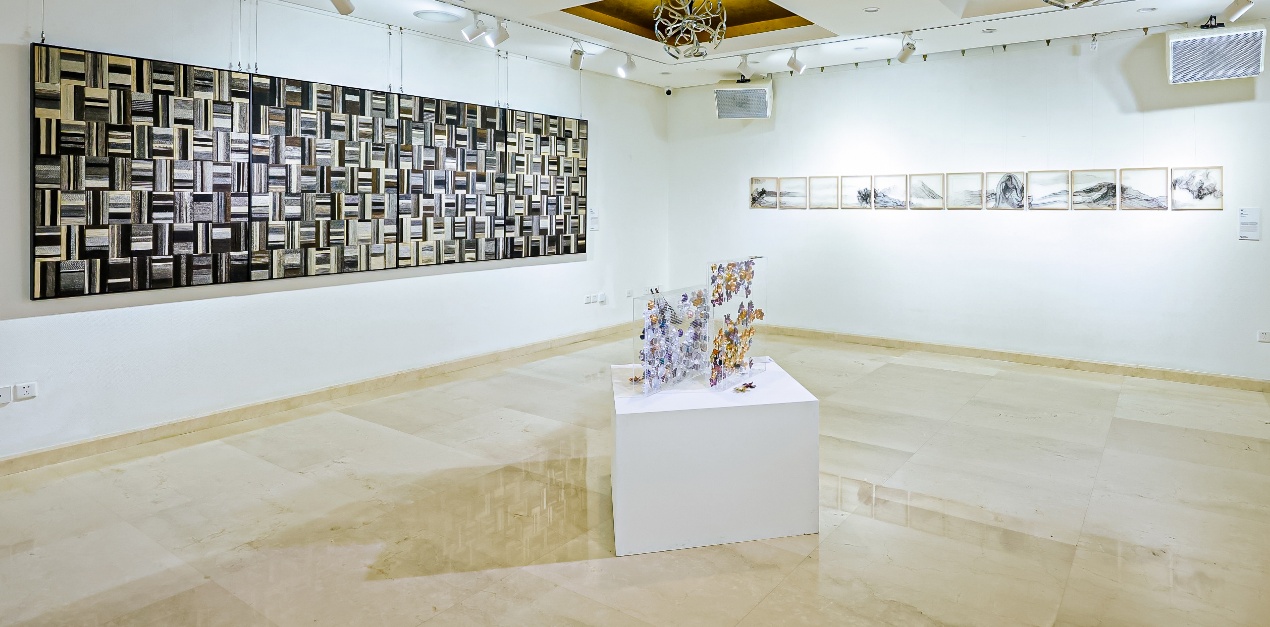
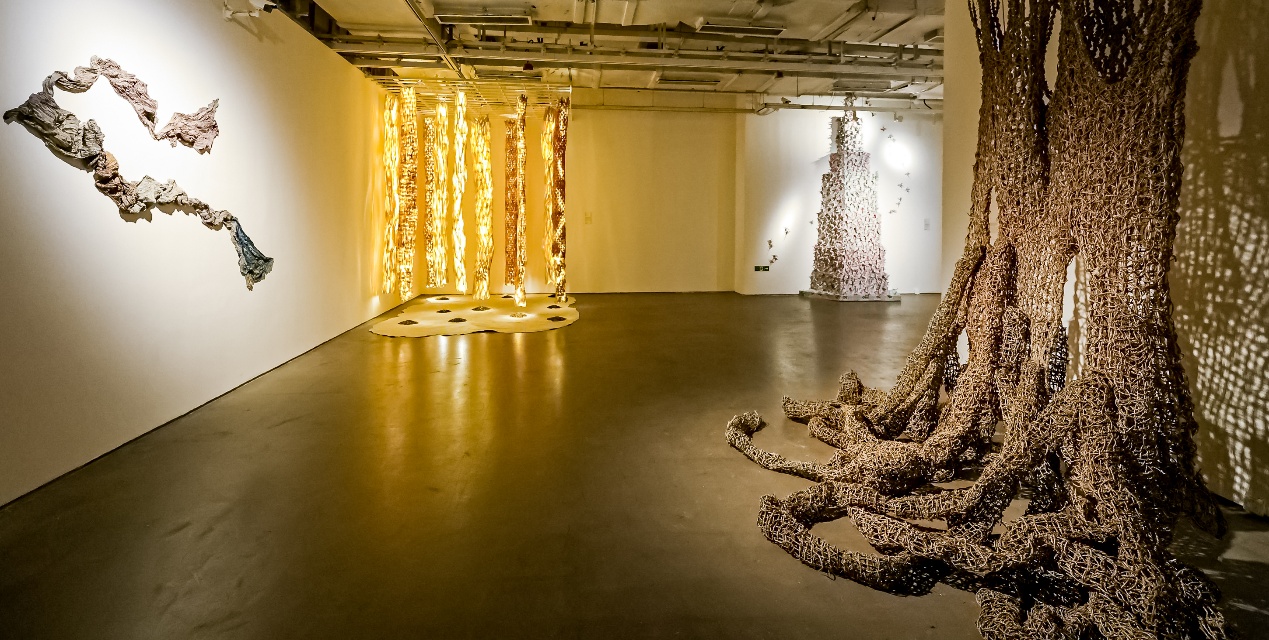
The 13th “From Lausanne to Beijing” International Fiber Art Biennale has inaugurated at the Tsinghua University Art Museum. Under the theme “Interwoven Horizon,” the event brings together a diverse tapestry of 205 works by 220 artists from 53 countries and regions, marking a significant moment of reflection for contemporary fiber art in the intelligent era.
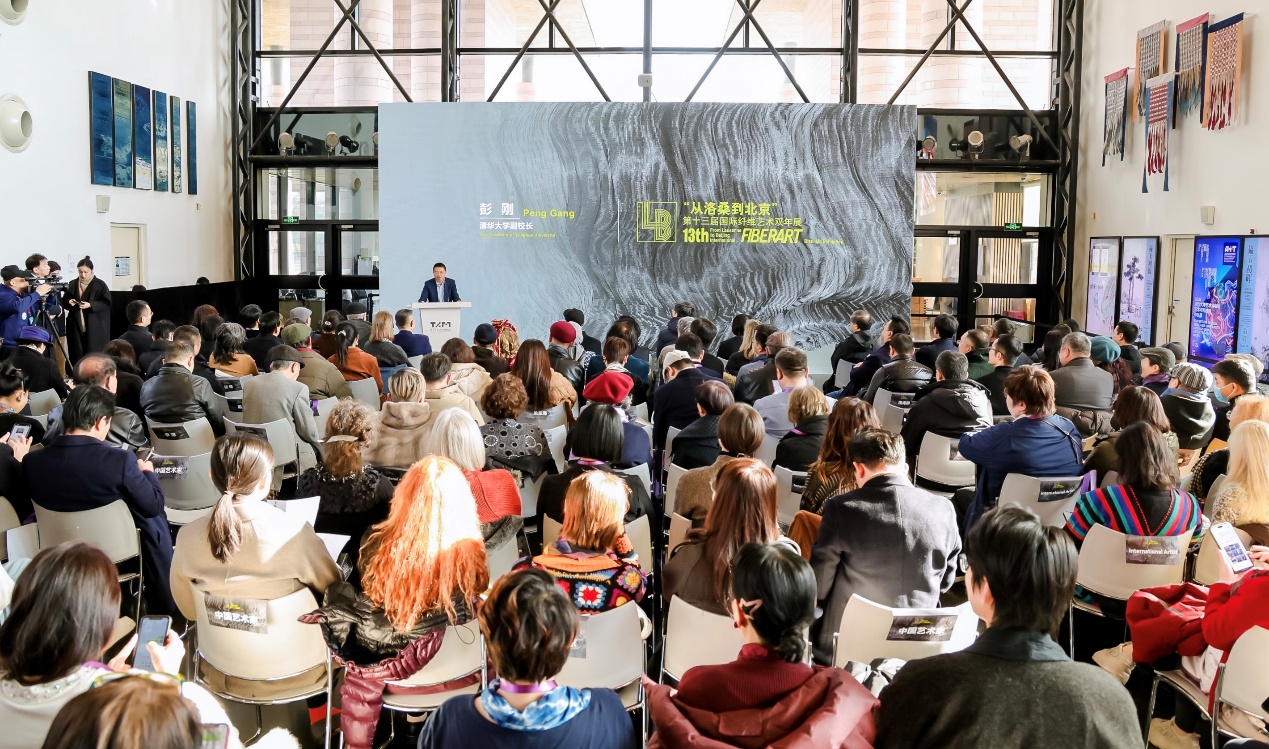
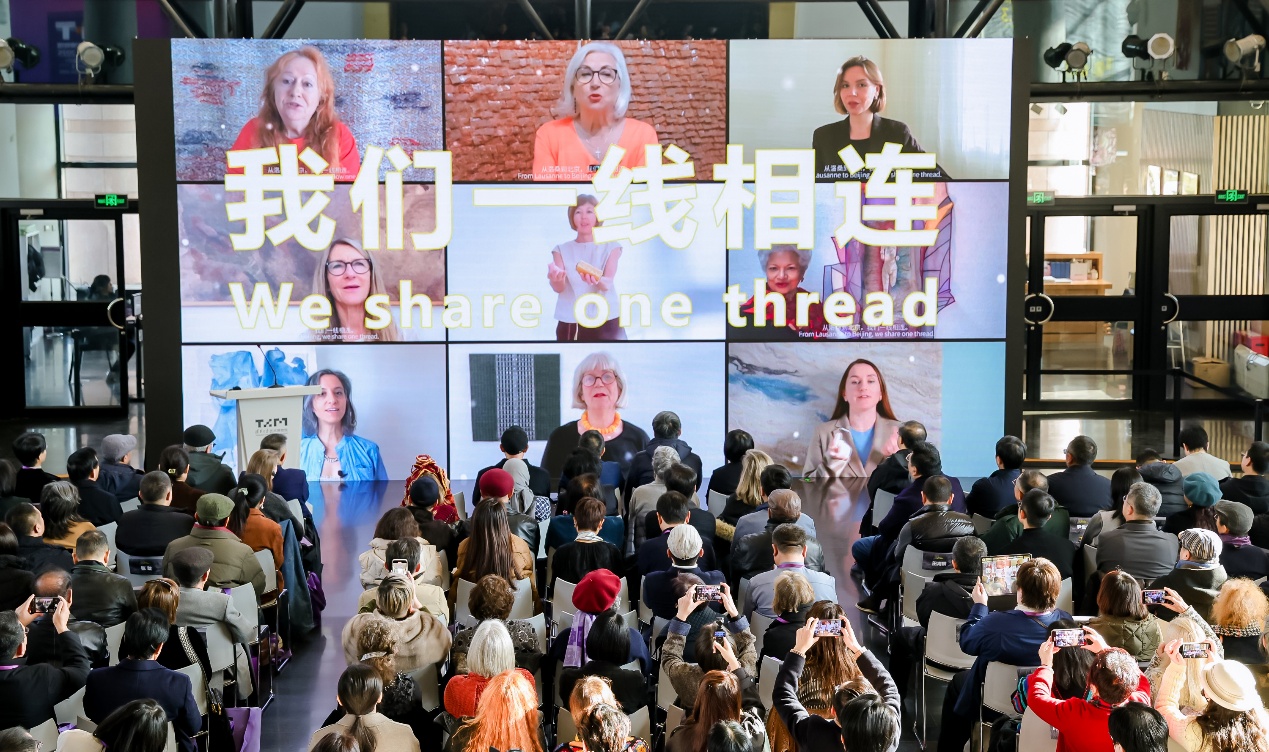
The opening ceremony on December 6 drew a distinguished gathering of arts and academic leaders, including Peng Gang, Vice President of Tsinghua University; Cai Daying, President of the China National Arts and Crafts Society; Chung Kyoung-Yeon, Dean of the Graduate School of Craft Arts at Hongik University (South Korea); and specialized curator Maria Ortega Galvez (Spain). The proceedings were presided over by Yue Song, Chair of the Department of Crafts and Design at the Academy of Arts & Design, Tsinghua University.
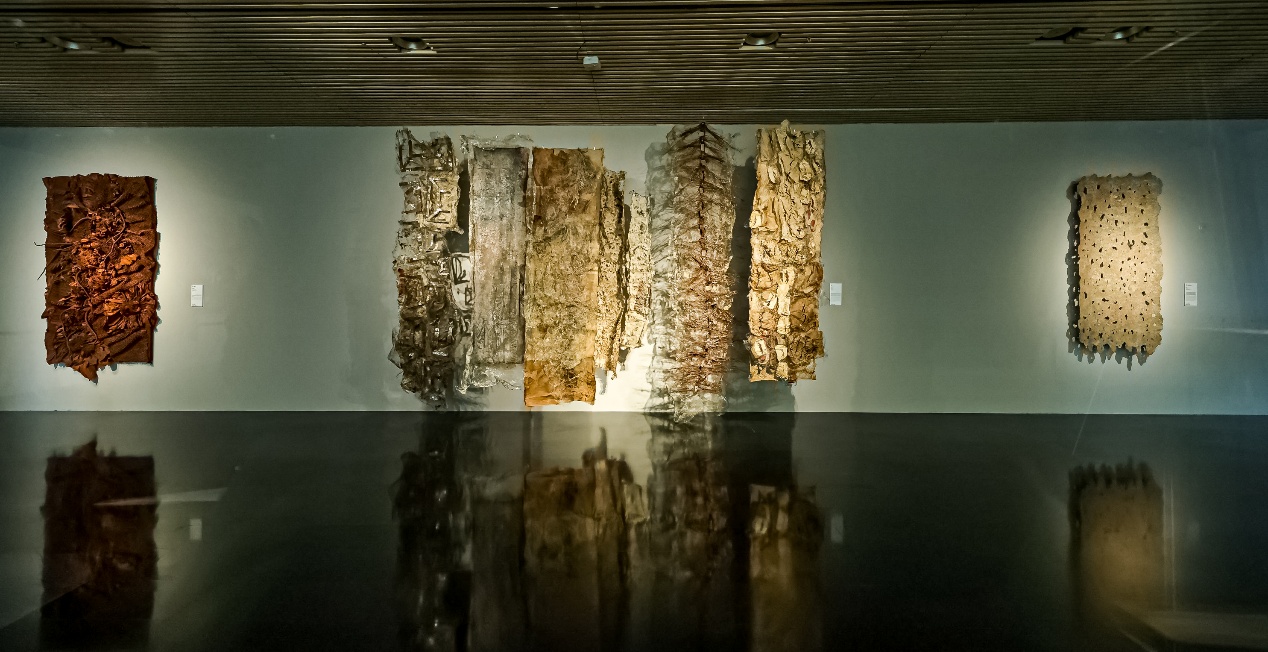
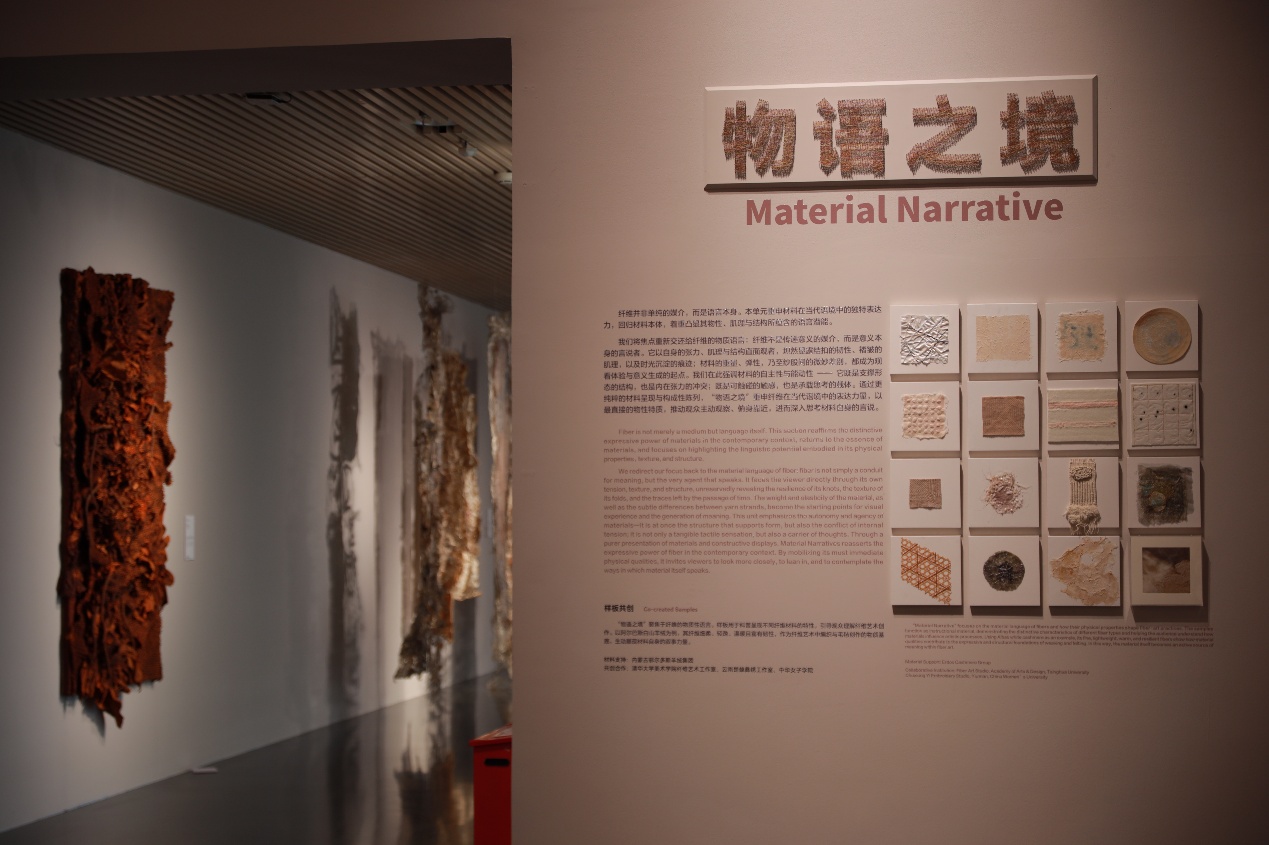
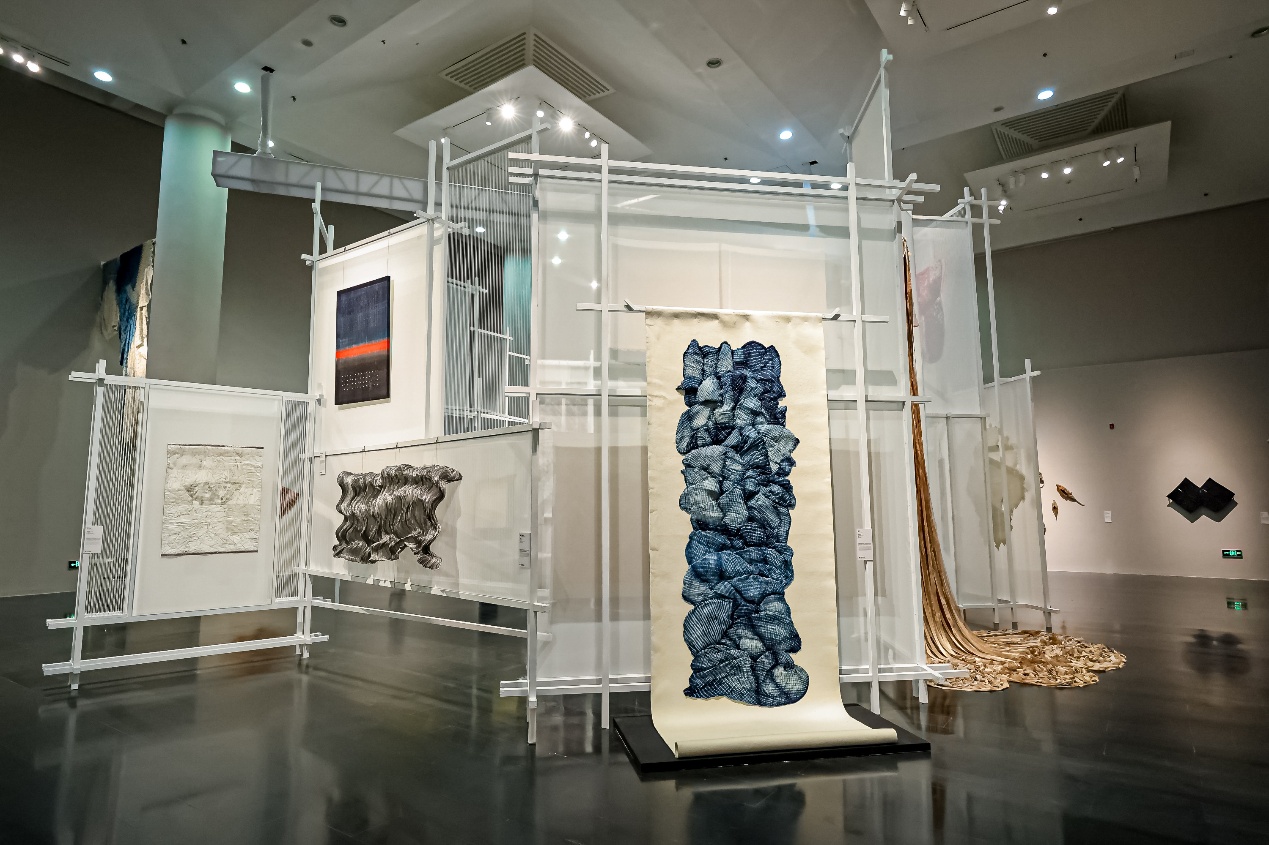
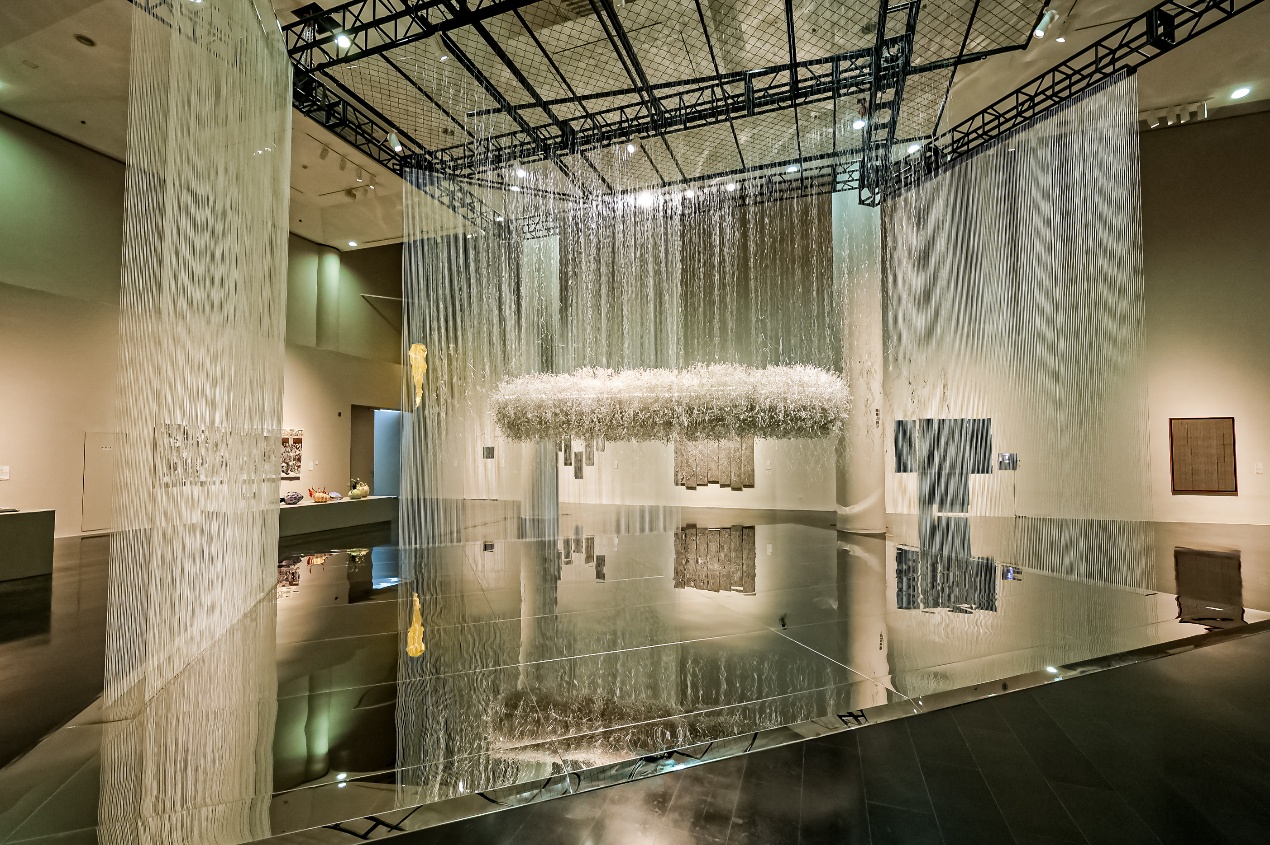
Running through March 1, 2026, this year’s Biennale unfolds across five thematic sections: “Material Narrative,” “Threads of Perception,” and “Towards a New Fabrication” at Tsinghua University Art Museum; “Dimensions of Weaving” at Beijing Yingjie Museum of Stone Art; and “The Spatiotemporal Field” at Today Art Museum.
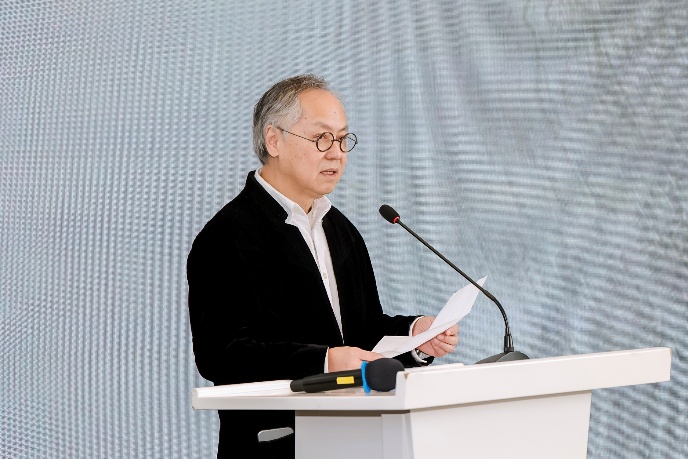
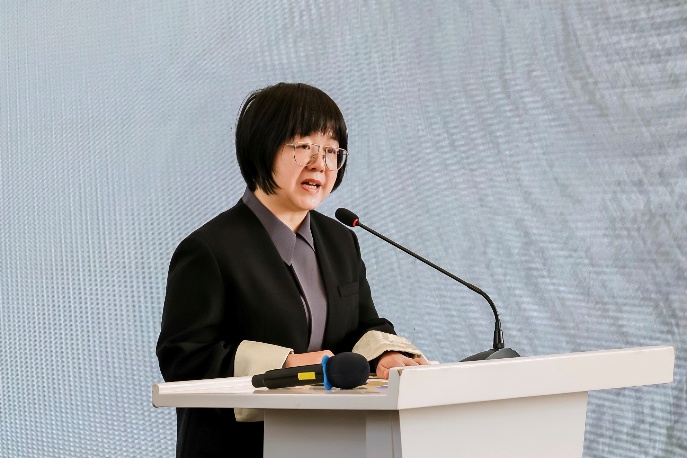
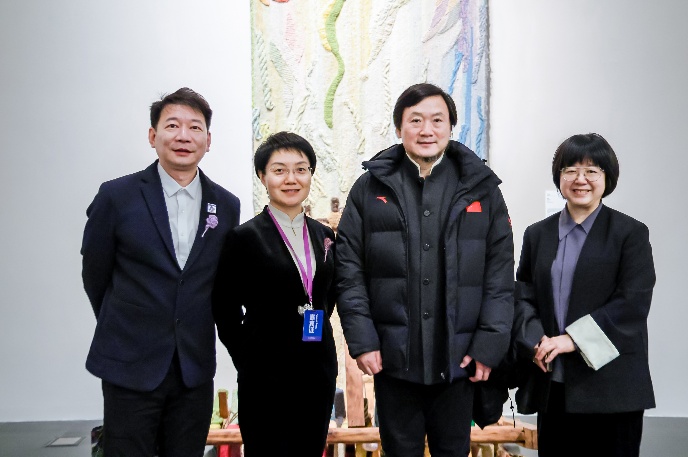
Lu Xiaobo(Left)、Wu Qiong(Right)
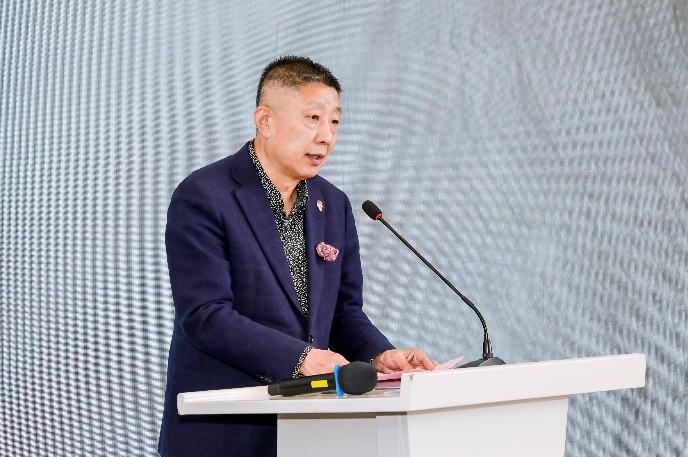
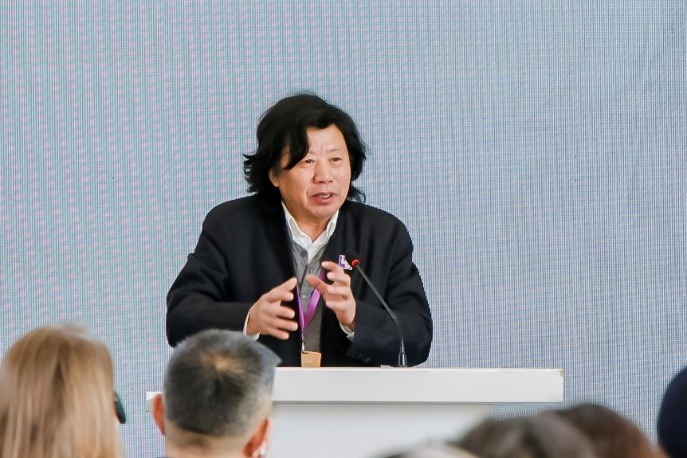
Cai Daying(Left)、Lin Lecheng(Right)
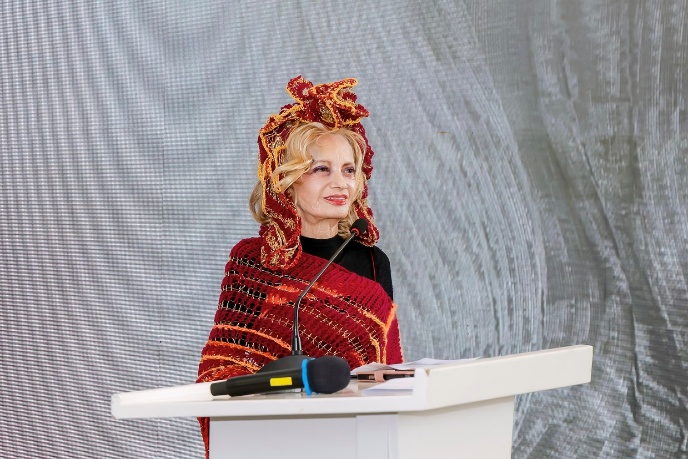
Chmielewska-Lehman Monique(Left)
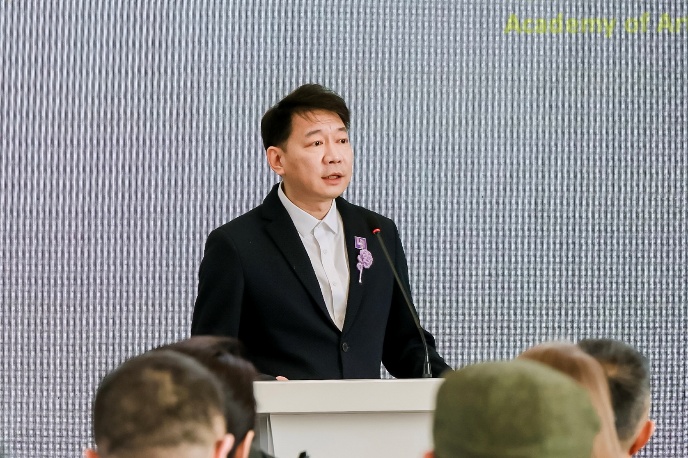
Yue Song(Right)
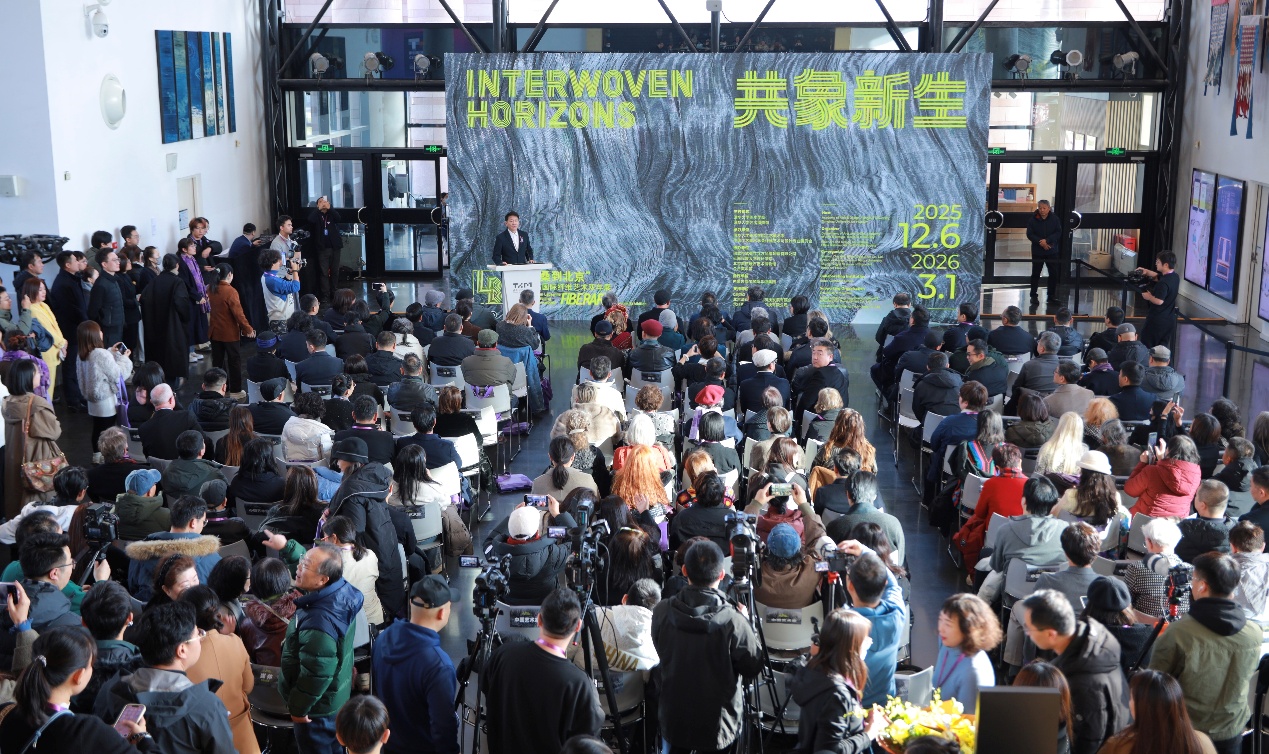
Opening Ceremony
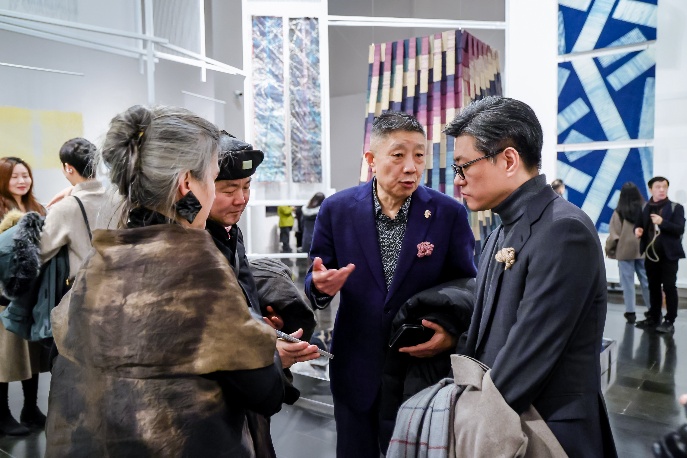
Exhibition Tour
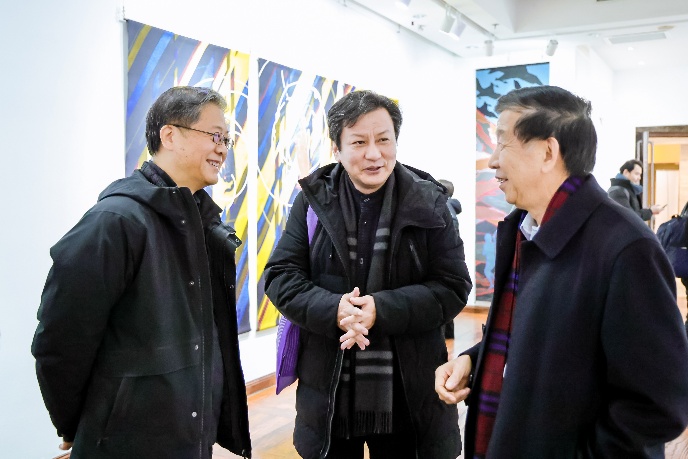
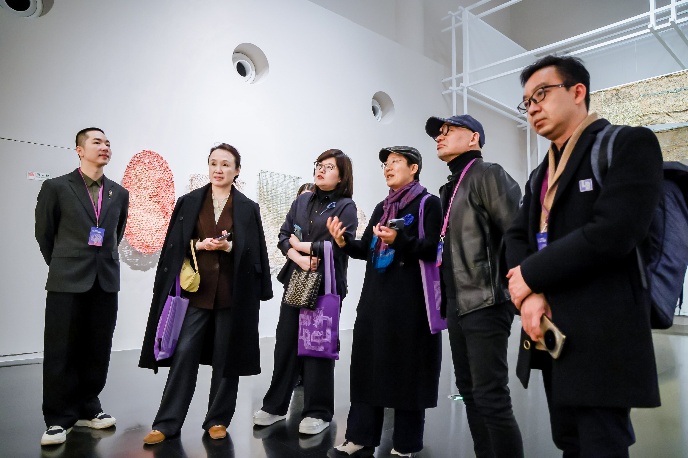
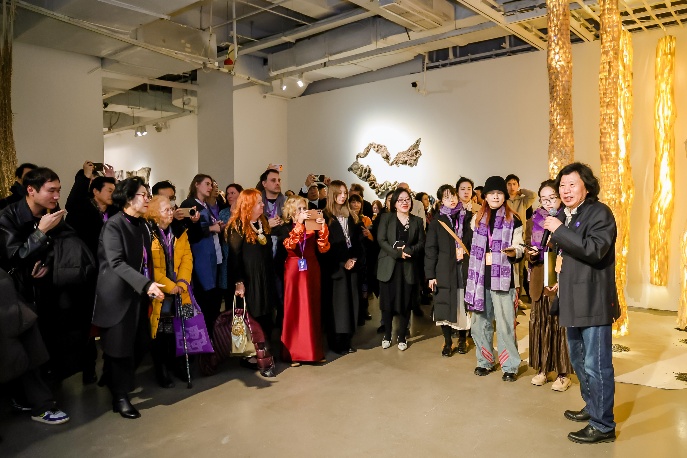
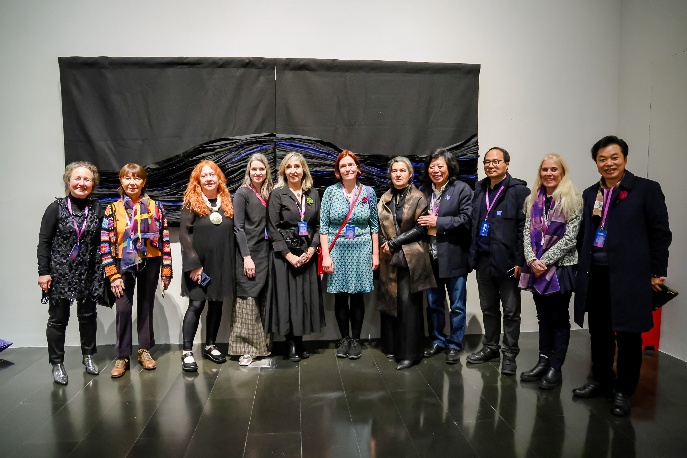
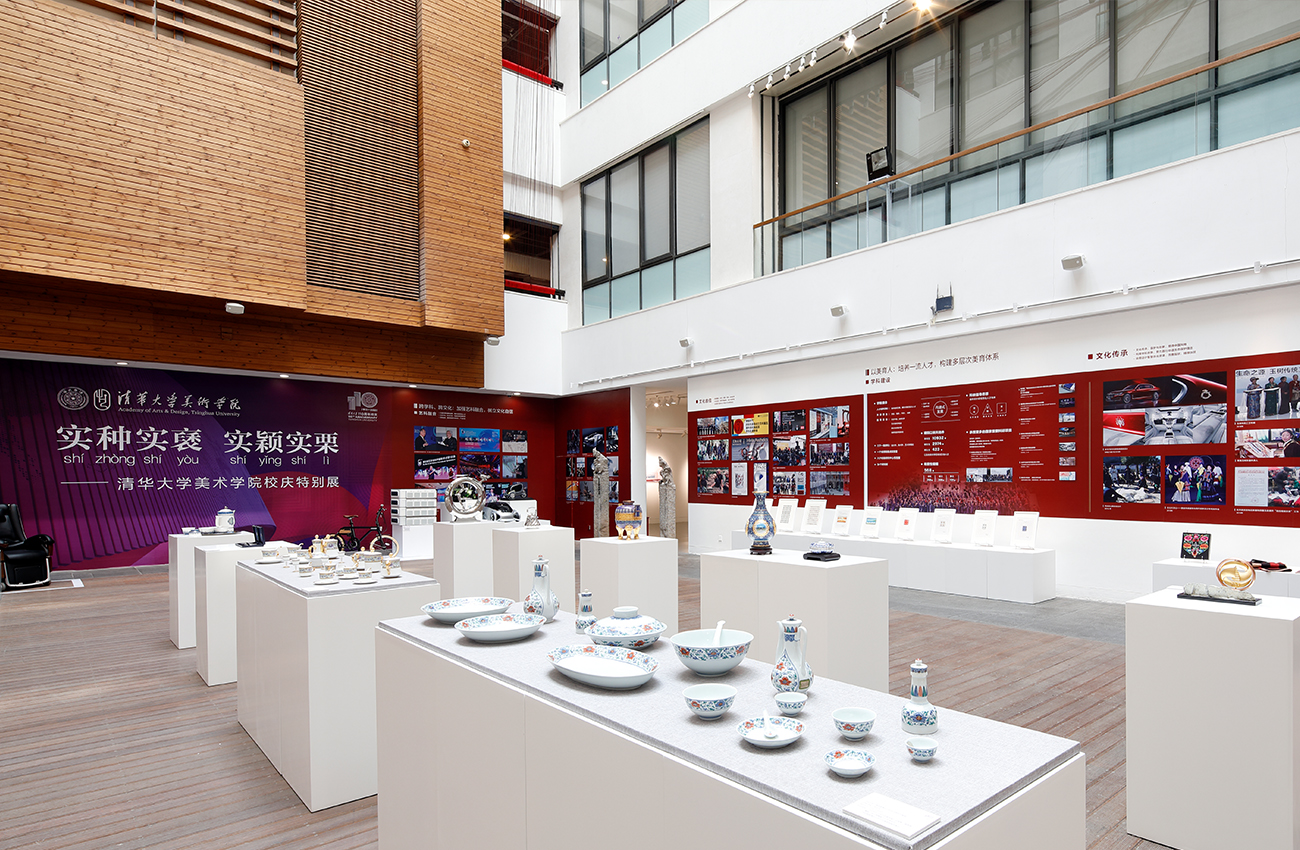
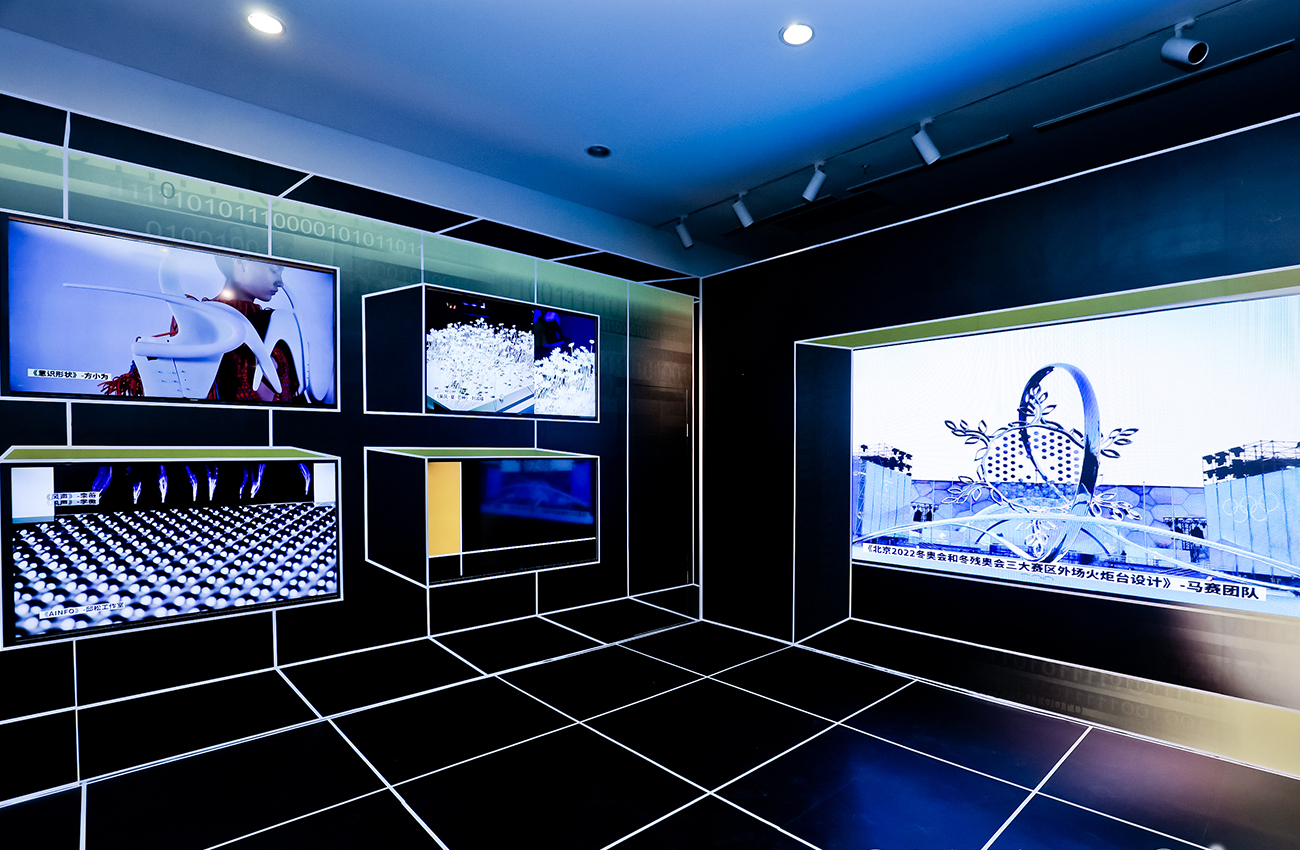
Exhibition View
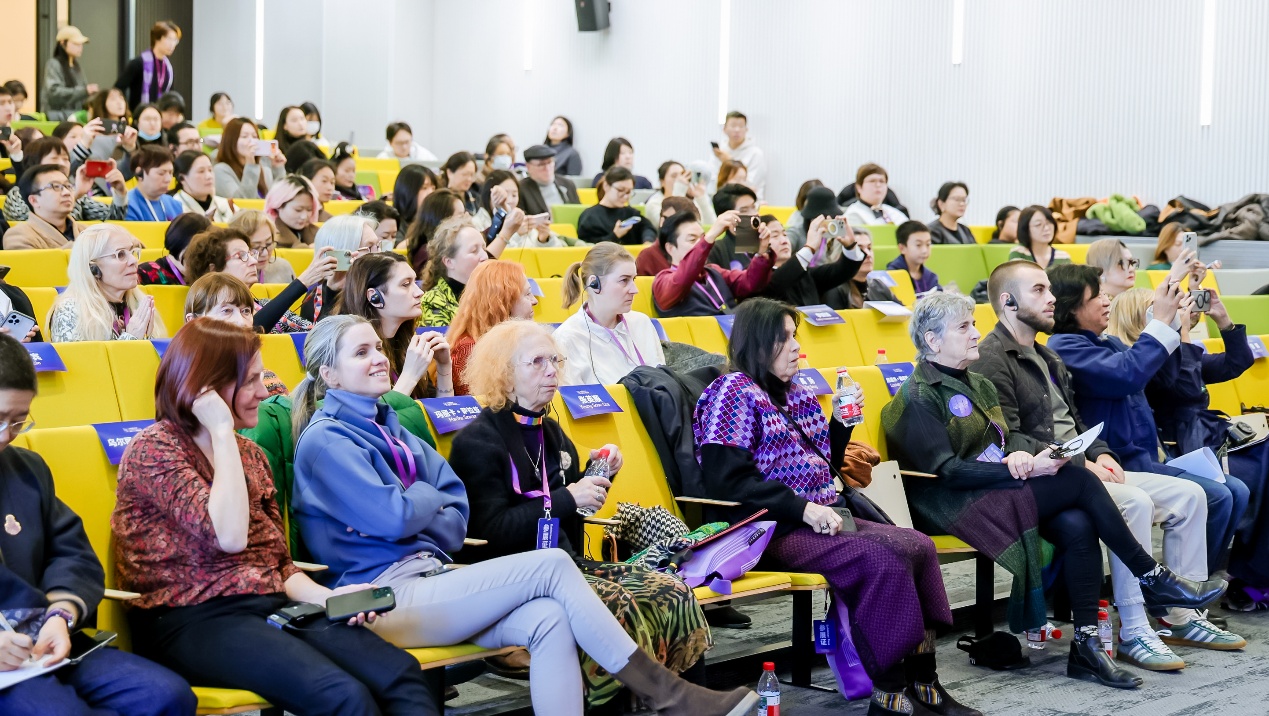
Complementing the visual spectacle, an international academic forum titled “Interwoven Horizon: Fiber Art’s Response and Construction in the Intelligent Era” was held on December 7. It focused on key concepts such as artificial intelligence, ecological materials, craftsmanship revival, and cultural sustainability, exploring the value regression and methodological innovation of fiber art amidst multiple transformative contexts. The activity aimed to reconstruct a new collaborative relationship of “perception-material-technology-culture” through cross-disciplinary dialogue from an international perspective, thereby promoting theoretical expansion and practical renewal of contemporary fiber art in the intelligent era.
The morning session, moderated by Fang Xiaofeng, Editor-in-Chief of ZHUANGSHI magazine, tackled the existential friction between algorithms and artisans.
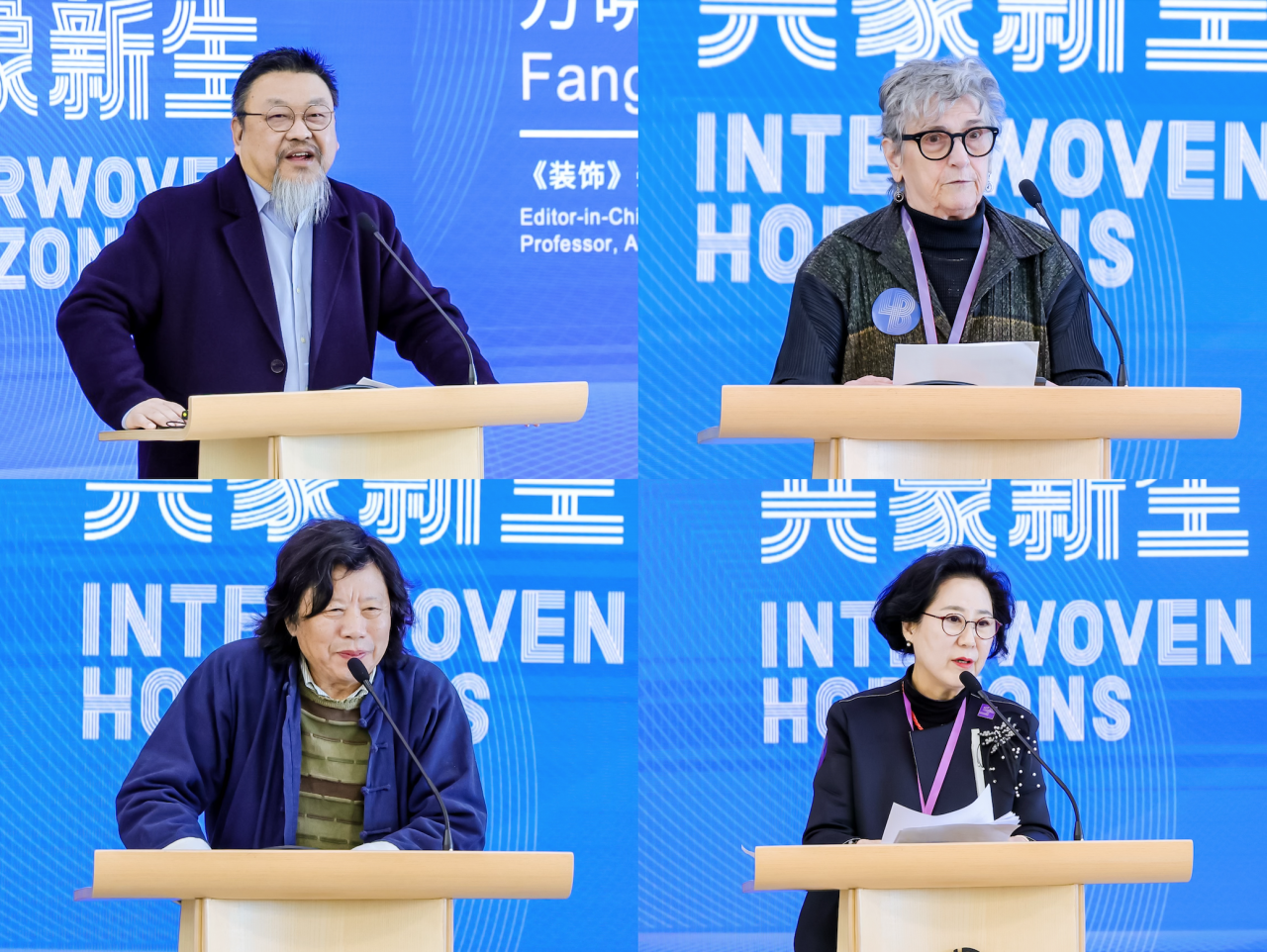
Louise Lemieux Bérubé (Canada) opened with a keynote on “Artificial Intelligence, Materiality, and Humanity,” dissecting the role of the tangible in a virtual world.
Prof. Lin Lecheng (Tsinghua University) advocated for a grounded approach in his talk, “From ‘Specimen’ to Daily Life,” urging art to return to the intimacy of living.
Prof. Chung Kyoung-Yeon presented “Reshaping Humanity,” visualizing the intersection of hand and algorithm as a shift “from exquisite objects to systems of Meaning.”
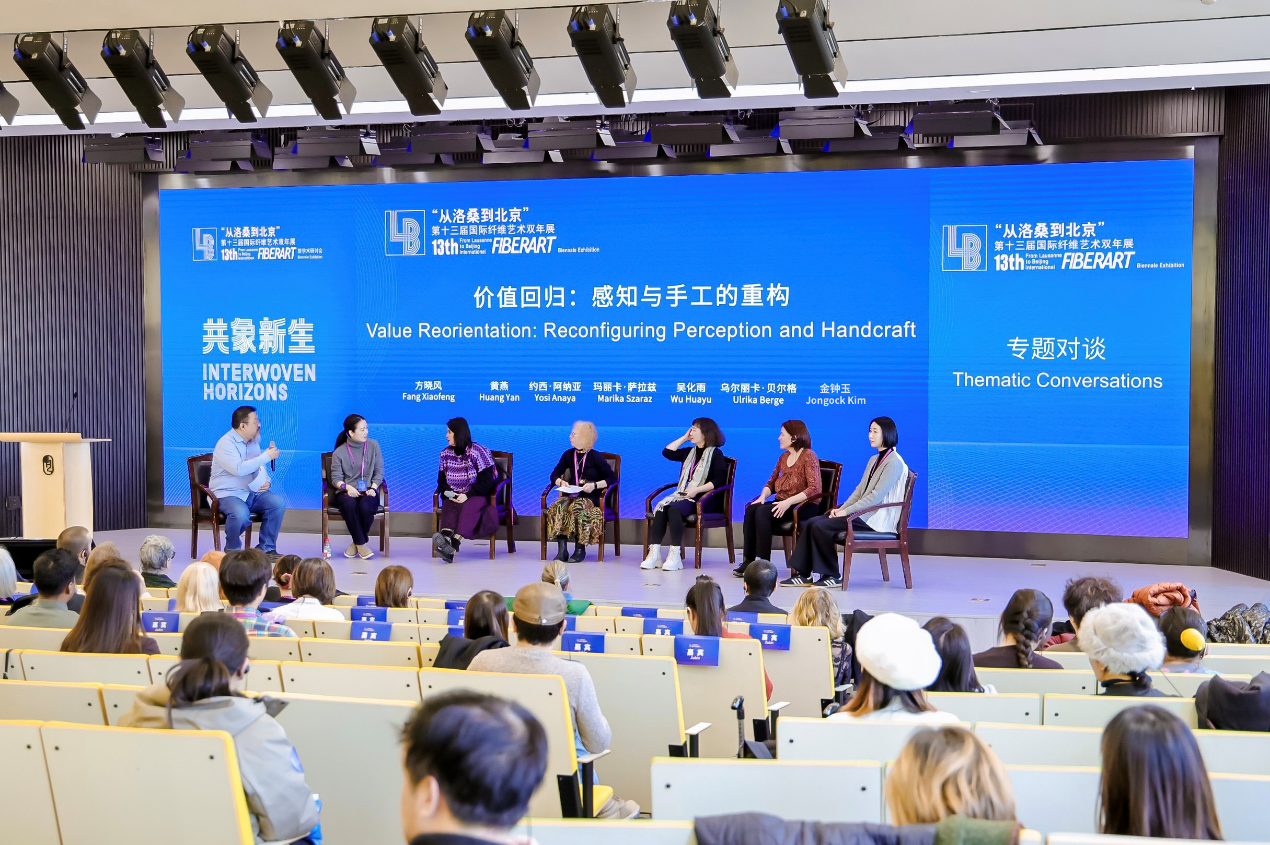
A spirited panel discussion followed, addressing “Value Reorientation: Reconfiguring Perception and Handcraft.” Experts including Huang Yan (China), Yosi Anaya (Mexico), Marika Szaraz (Luxembourg), Wu Huayu (China), Ulrika Berge (Sweden), and Jongock Kim (South Korea), addressed topics such as “Rebalancing ‘Digital Coldness’ with the Warmth of Handcraft” and “Contemporary Translation of Fiber Craftsmanship: From Handmaking to Cross-Media Practice.”
The afternoon session, Zeng Hui, Deputy Director and Chief Curator of Beijing International Design Week, and Chief Curator of the China Handicraft Art Design Exhibition, served as the academic moderator.
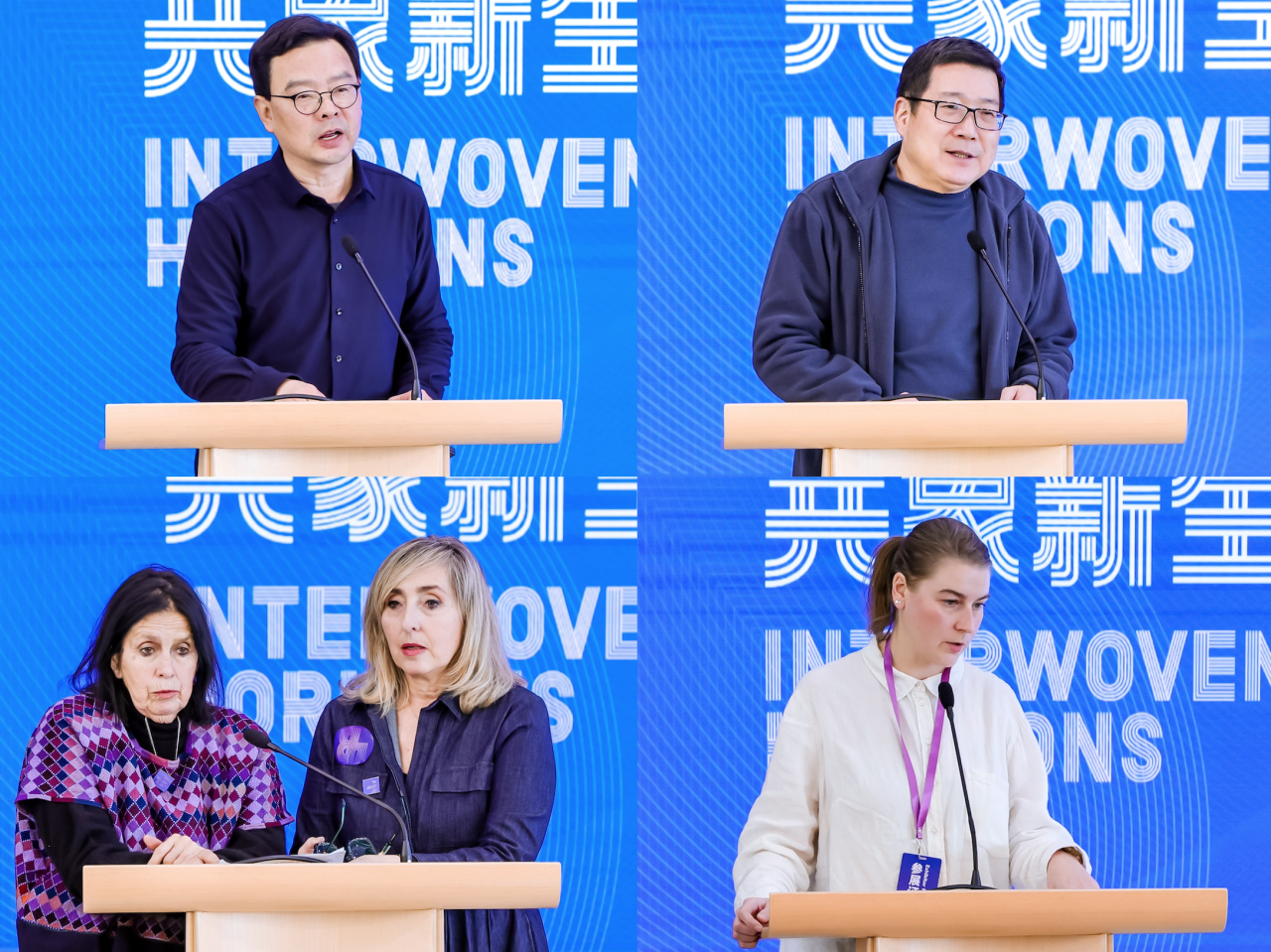
Hang Jian, Chair Professor of Humanities, Tsinghua University delivered a keynote speech, “The Platonic ‘Cave’ of Contemporary Fiber”. Maria Ortega Galvez, Spanish cultural manager and curator, shared “Promotion Paths of Fiber Art”. Magdalena Kleszynska, Professor, Magdalena Abakanowicz University of the Arts, Poznań, Poland brings the “Interwoven Visions: Fiber Art in an Era of Transition—Response and Reconstruction, Integration of Craft Revival and Social Design”.
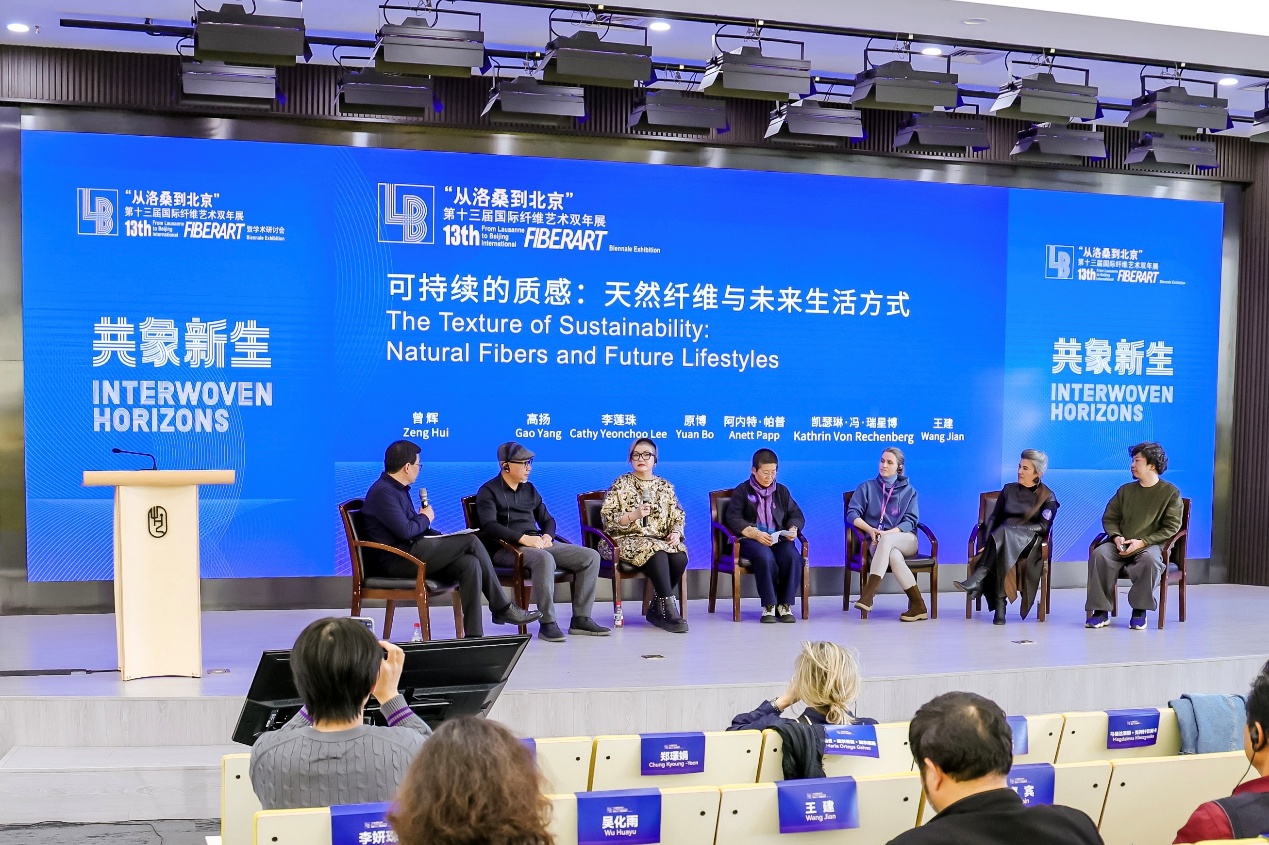
The subsequent panel, titled “The Texture of Sustainability: Natural Fibers and Future Lifestyles,” featured Gao Yang (China), Cathy Yeonchoo Lee (USA), Yuan Bo (China), Anett Papp (Hungary), Kathrin Von Rechenberg (Germany), and Wang Jian (China). The discussion delved into the “Ecological Ethics of Cashmere and Regional Culture" and the rise of a “New Naturalist Lifestyle,” examining the shift from material ethics to design aesthetics.
As noted by exhibition organizers and international participants, the “From Lausanne to Beijing” Biennale has evolved into more than an exhibition; it is a “collective narrative woven by artists worldwide.” By juxtaposing ancient weaving traditions with futuristic “spatiotemporal” concepts, the 13th edition successfully positions fiber art not merely as a craft of the past, but as a critical medium for interpreting the complexities of the future.
The exhibition remains open to the public until March 2026, promising a long-term platform for cultural dialogue and artistic innovation.